
An interview with Ar. Karticke Pant on placemaking, safer streets, public transport and his award-winning proposal for Raipur
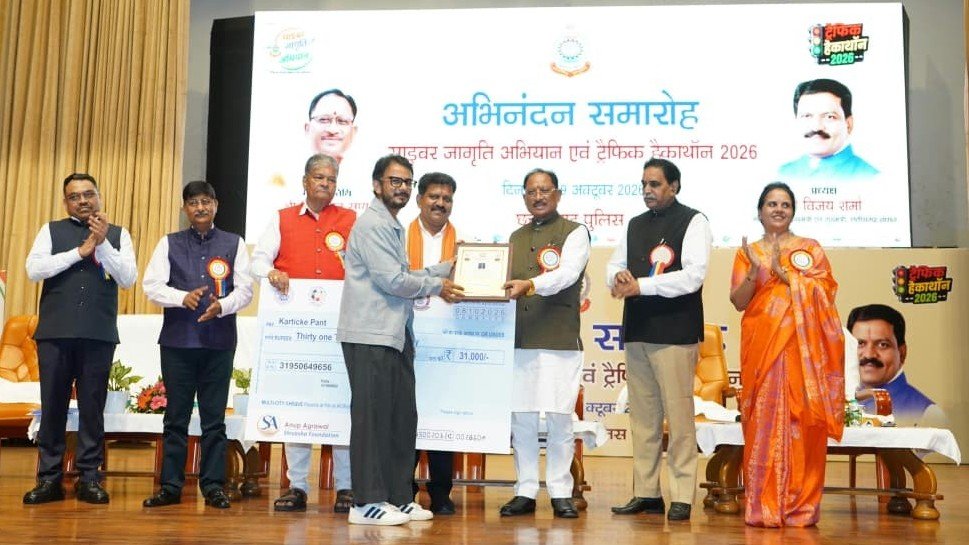
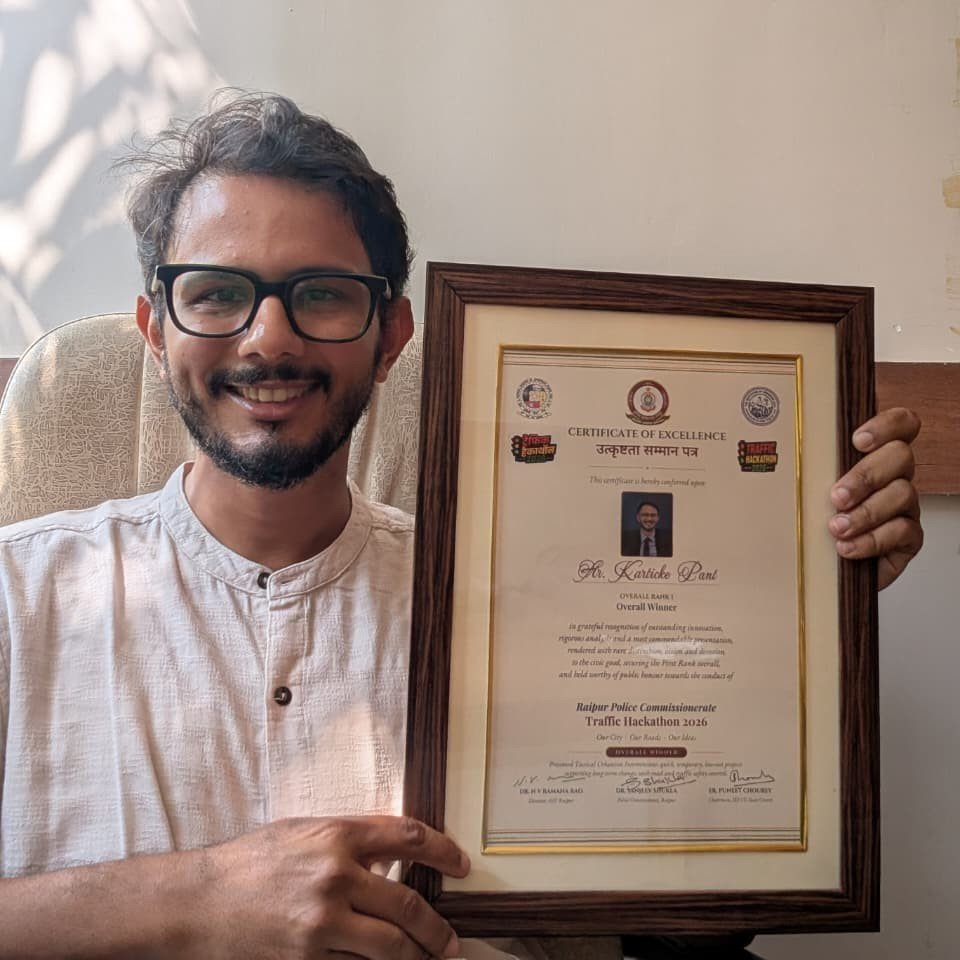
Ar. Karticke Pant, an architect and urban designer establishing Placemaker Studio in Raipur, was named the overall winner of a traffic-improvement ideas competition organised by the Raipur Police Commissionerate and the Institution of Engineers (India), Chhattisgarh Chapter. His proposal focused on safety and decongestion at Turning Point Junction, also known as Ashoka Tower Junction. In this conversation with TheAPN, he discusses placemaking, mobility and the role of urban design in improving Indian cities.
TheAPN: How have your education and professional experiences across India and London shaped your approach to placemaking?
Karticke: Studying urban design teaches us how city spaces should function, but living in London allowed me to experience how planning, design and maintenance work together to create successful places. People then use these spaces and make them their own. This broadened my understanding of placemaking.
Cities also have cultural and social differences that require context-sensitive design. For example, the way festivals are celebrated in India creates particular demands on public spaces, which should be considered from the beginning of the planning process.
At the Architectural Association in London, I explored the relationship between sustainability and urban design. For my academic project, I compared older and newer parts of Jaipur, using the Universal Thermal Climate Index (UTCI) to assess outdoor thermal comfort. The older city performed better. I developed guidelines on street proportions, shading and water strategies to improve comfort and walkability in newer areas.
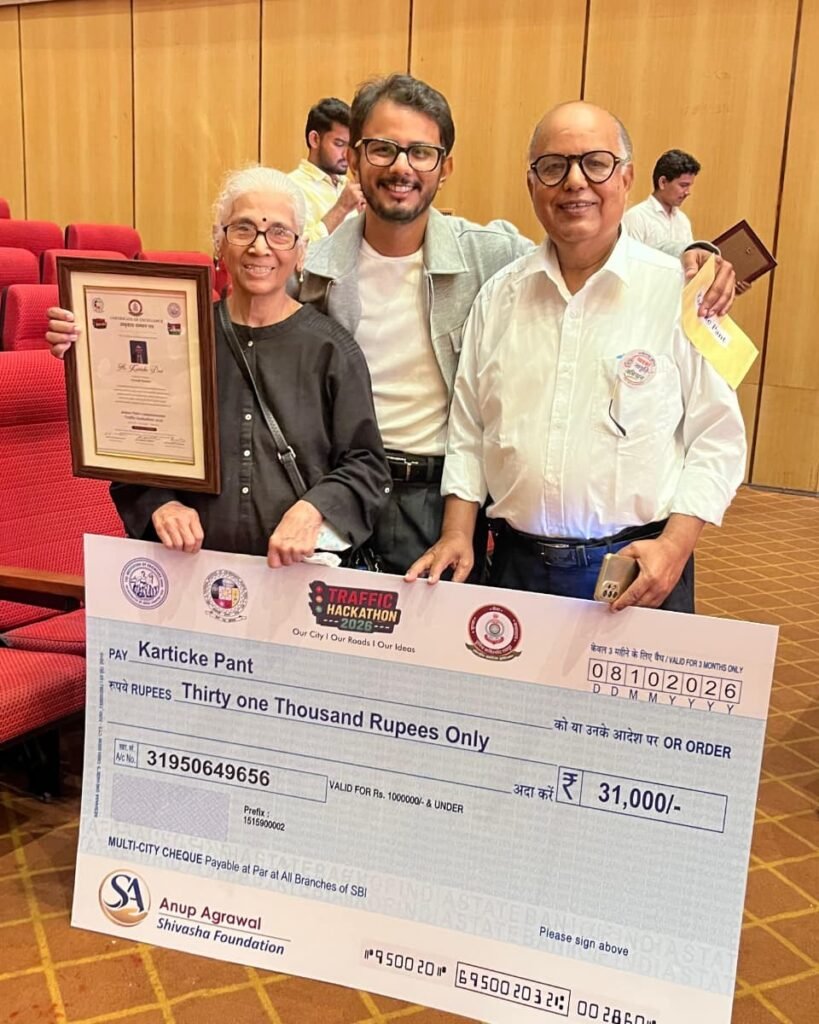
TheAPN: Your proposal emerged as the overall winner among approximately 500 entries in a traffic-improvement competition. What challenges did you identify, and how did your design address them?
Karticke: At Turning Point Junction, also known as Ashoka Tower Junction, I identified peak-hour congestion, heavy pedestrian movement without adequate walking space, bottlenecks caused by roads of different widths, haphazard parking and a lack of designated spaces for auto-rickshaws and vendors.
The competition brief called for simple, cost-effective and practical solutions. I selected this junction because it connects the older city with newer developing areas, functions as an informal transit hub, has mixed residential and commercial uses, and is a recognised landmark. It was also a popular hangout during my teenage years.
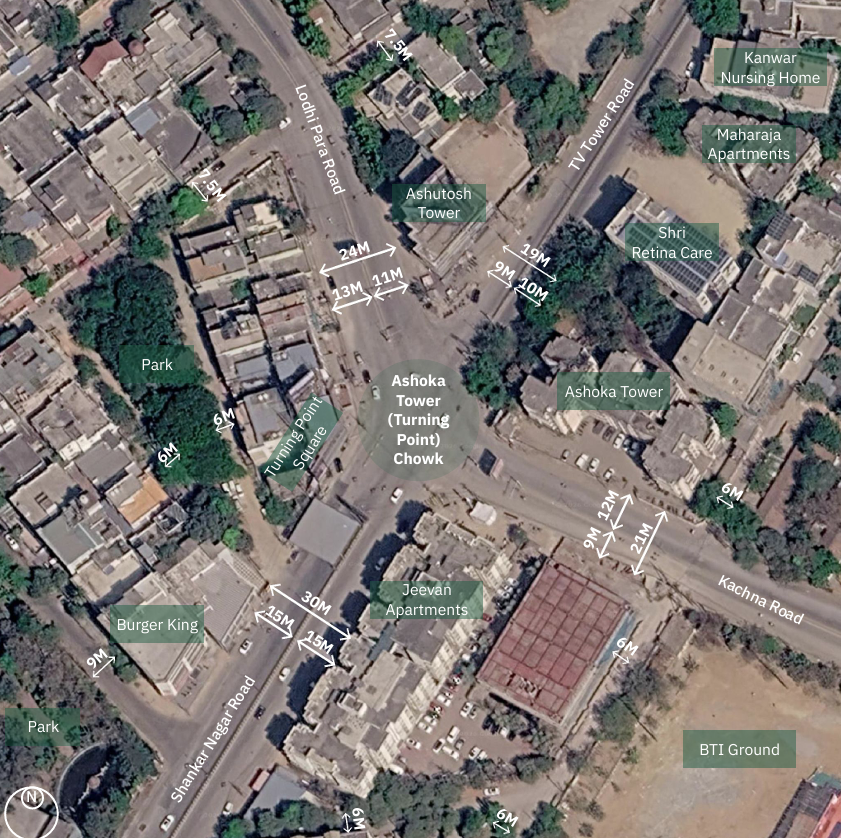
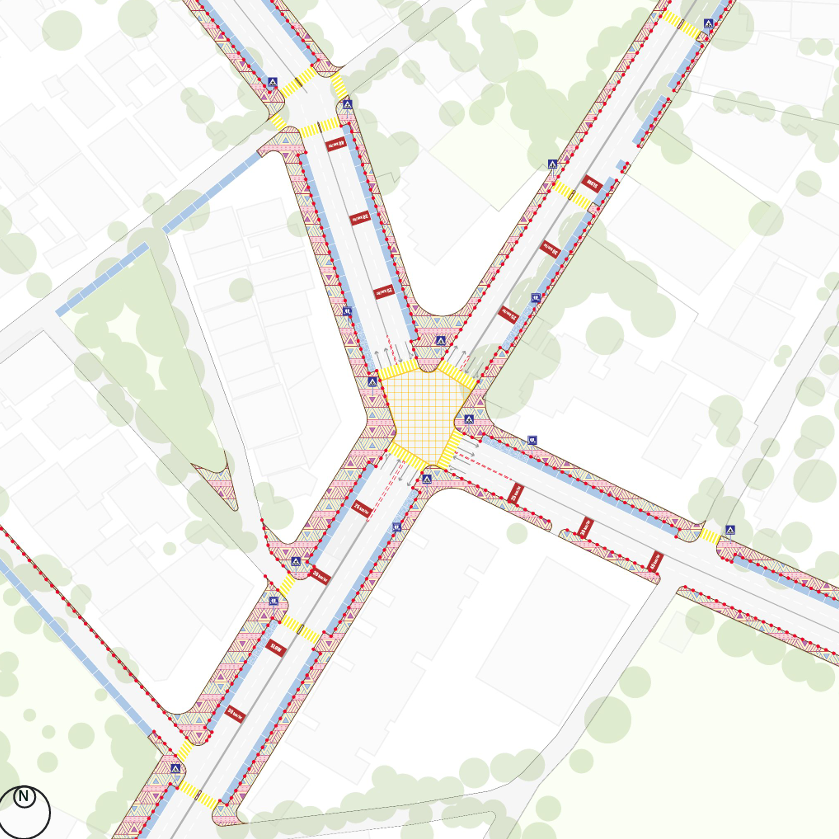
I proposed a tactical urbanism approach, reorganising the existing space with paint, plastic bollards, barricades and traffic cones. On a road approximately 30 metres wide, the proposal provides a carriageway of around 12 metres and a multi-utility zone for walking, shopping and vending. It also includes parallel parking, designated auto-rickshaw spaces, marked crossings, signage and planters. Colours inspired by Chhattisgarh’s tribal culture would help make the junction safer and more welcoming.
TheAPN: Why do conventional traffic-management measures often fall short, and how can urban design contribute to safer, more inclusive streets?
Karticke: In my opinion, there is a lack of knowledge and courage among those responsible for public spaces. The conventional response to traffic problems is often to widen roads. Much of post-Independence urban planning in India was influenced by the Chandigarh model associated with Le Corbusier, separating functions into zones and connecting them with wide roads. Planning in many places still carries this mindset and views the city largely in two dimensions.
Urban design considers how streets and buildings work together and how people experience a place. City-making requires several agencies to work together, but each often focuses on its own responsibilities. Urban designers can help bring them towards a shared solution. Unlike an approach focused mainly on moving vehicles quickly, urban design also considers pedestrians, cyclists, vendors, residents, shop owners and traffic police. The aim is not only to move traffic but also to give a place quality, character and a better experience for everyone.
TheAPN: What lessons from London could be adapted to Raipur, particularly in public transport and last-mile connectivity?
Karticke: Indian cities are often eager to introduce metro systems, but they must also address basic mobility problems. Reliable bus services, well-designed bus stops and safe walking routes to public transport are essential.
In London, Transport for London coordinates several aspects of mobility. In a well-connected area where I lived as a student, buses, underground and overground rail, and cycle or scooter services were accessible within about five to seven minutes on foot. In a less-connected area, reaching a bus stop or metro station took around 10 to 12 minutes.
At the time of this interview, Raipur had around 140 public buses, despite a recommendation for 400 buses having been made almost two decades earlier. The city needs more buses, better facilities, improved footpaths and stronger last-mile connectivity. Auto-rickshaws and e-rickshaws can complement buses, but their stands and access points must be organised so passengers can reach them safely and vehicles do not obstruct traffic.
TheAPN: What steps are needed to implement your proposal, and how can coordination among public agencies be improved?
Karticke: During my presentation to the Chief Minister, I proposed a City Design Cell bringing together urban planners, engineers, traffic police, urban designers and departments such as the Public Works Department and municipal corporation. Consultants could also contribute. The cell could examine junctions and other urban-space challenges and work towards gradual improvements in traffic and urban life.
The Police Commissioner asked me to prepare a budget because there was an intention to implement the junction proposal. Based on the design and the Chhattisgarh Schedule of Rates, I estimated the material cost at approximately ₹12–15 lakh, excluding my professional fees. At the time of the interview, the authorities had indicated that funds would be sanctioned, but no implementation date had been confirmed. The timeline would depend on the government agencies concerned.
TheAPN: What is your vision for Placemaker Studio, and what changes would you like to see in Indian cities?
Karticke: My vision is to bring together my experience in Architecture, Urban Design and Sustainable Design and apply these disciplines in different combinations to Raipur’s context. I want to build a multidisciplinary studio that addresses problems through all three fields rather than treating them in isolation.
I would also like urban-design principles and sustainability guidelines to be incorporated into city and state policies. Wider change becomes possible when these ideas receive policy support. Through my online persona, The Placemaker, and formal competitions, I advocate for urban design and share how experiences from London can be adapted to Raipur. We need to communicate these ideas to decision-makers and demonstrate how better planning can improve cities and residents’ lives.
TheAPN: What message would you like to share with young architects, planners and citizens?
Karticke: I encourage the younger generation, including Gen Z, to use the tools and ideas available to speak up for good urban design and better city-making. We need to educate people about how urban spaces can be improved. For too long, many people have not even been provided with the bare minimum: proper walking spaces and public spaces that improve everyday life and can also help traffic function better.
There is a misconception that providing space for walking takes space away from traffic and makes traffic worse. This assumption needs to be challenged. We should hold authorities accountable for providing safe walking spaces and better public environments. Through my Instagram account, the. Placemaker, I also share ideas about urban design and experiences from London and Raipur.
About the Project Report
Explore the detailed traffic improvement proposal for Turning Point Junction (Ashoka Tower Junction), Raipur, prepared by Ar. Karticke Pant, Placemaker Studio. The report presents the site analysis, design approach, proposed master plan and interventions aimed at improving traffic management, pedestrian safety and the overall urban environment.
Click the link above to view the project report.
TheAPN thanks Ar. Karticke Pant for sharing his valuable insights and experiences with our readers. We appreciate his contribution to the discourse on urban design and look forward to seeing his vision translate into more inclusive, sustainable and people-centric cities.
Also Read: IIT Roorkee Honours Dr. Ghieth Alwarah for Research on Syrian Architectural Heritage
Join our WhatsApp Channel for fastest updates: Join now