

New Delhi | The Sarojini Nagar Redevelopment General Pool Residential Accommodation (GPRA) Colony has moved a step closer after the Delhi government’s Department of Forests and Wildlife granted permission to NBCC (India) Limited to fell or transplant 1,091 trees required for the project. The approval follows months of site inspections, environmental scrutiny, and review by the Union Central Empowered Committee (CEC), marking a significant milestone in one of the Capital’s largest government housing redevelopment initiatives.
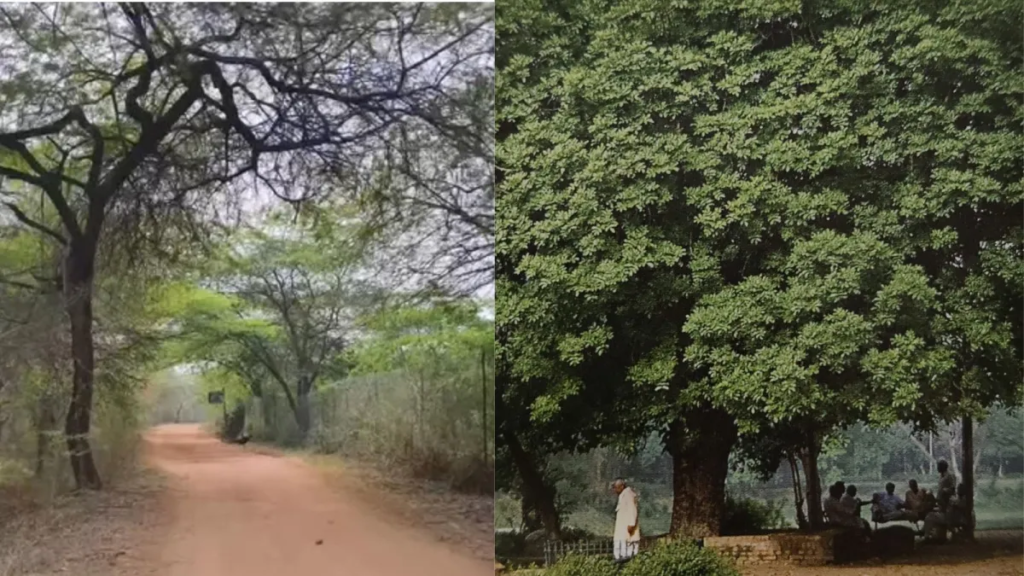
According to officials, the number of affected trees was considerably reduced during the approval process. The original estimate of 1,218 trees was brought down to 1,170 following field inspections by the Tree Officer, while the CEC later directed that an additional 79 trees be retained, reducing the final count to 1,091. The final environmental clearance was reportedly issued on June 19, 2026.
The Sarojini Nagar redevelopment forms part of the Union Government’s ambitious 2016 GPRA Redevelopment Programme, which aims to modernize seven ageing government residential colonies across Delhi. Under the programme, NBCC is redeveloping Sarojini Nagar, Netaji Nagar and Nauroji Nagar, while the Central Public Works Department (CPWD) is handling Kasturba Nagar, Thyagraj Nagar, Srinivaspuri and Mohammadpur. The initiative seeks to replace nearly 12,970 ageing government flats with more than 21,000 modern residential units, alongside new office and commercial developments under a self-financing model.
Sarojini Nagar is among the largest redevelopment sites under the programme. The project includes high-rise residential towers, upgraded civic infrastructure and the proposed Bharat Business Park, which is expected to generate commercial revenue to support housing construction. Officials say the redevelopment addresses the long-standing shortage of government accommodation while making more efficient use of valuable urban land in accordance with the Master Plan for Delhi.
To offset the environmental impact, authorities have mandated compensatory plantation of 10,910 saplings at Bharat Vandana Park in Dwarka, following the prescribed ratio of ten saplings for every tree removed. In addition, 1,049 trees are planned to be transplanted wherever technically feasible. NBCC has also deposited over ₹6.2 crore as a security amount linked to plantation survival and long-term maintenance over seven years.
The permission comes with stringent environmental conditions. Every felled or transplanted tree must be geo-tagged and documented through photographic records uploaded to the Forest Department’s monitoring portal. Construction agencies have also been instructed not to disturb bird nests, squirrel habitats or snake pits until they are naturally vacated, while trees outside the approved list must remain protected throughout the construction period.
The overall seven-colony GPRA redevelopment programme, estimated to cost around ₹32,000 crore, is expected to be substantially completed by 2028, transforming some of Delhi’s oldest government residential colonies into higher-density, modern urban neighbourhoods. TIE
Also Read: DDA Targets May 2027 Completion for Sanjay Lake Rejuvenation Under Phased Restoration Plan
Join our WhatsApp Channel for fastest updates: Join now