

New Delhi | The Archaeological Survey of India (ASI) has initiated one of the largest conservation programmes in recent years, undertaking restoration and preservation work at around 140 of Delhi’s 170 centrally protected monuments. The initiative aims to safeguard the capital’s architectural heritage by scientifically conserving structures while maintaining their original historical character.
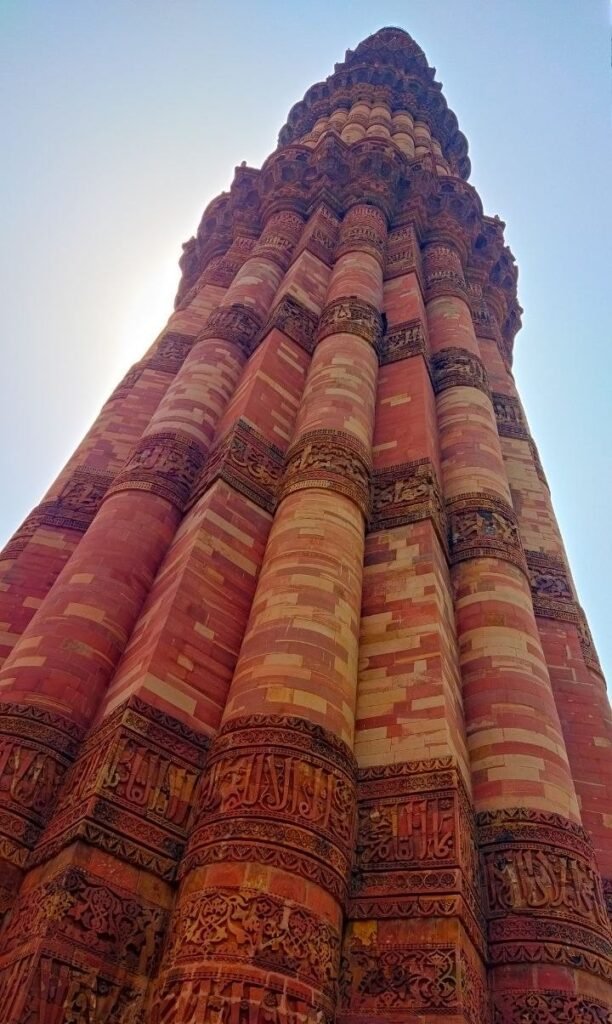
Among the most significant monuments included in the restoration drive are the Qutub Minar, Red Fort, Humayun’s Tomb, Safdarjung’s Tomb, Purana Qila, Begumpur Mosque, Hauz Khas Complex, and several medieval heritage structures across the city. According to ASI, the conservation works focus on repairing structural damage caused by ageing, pollution and weathering using traditional materials and scientifically approved conservation methods.
At the Red Fort, restoration of the historic Northern Cell is nearing completion ahead of Independence Day. The project includes restoring the original red sandstone façade, repairing damaged masonry, conserving lime plaster and improving drainage. ASI has also completed the revival of the historic water tank and fountains surrounding the Zafar Mahal pavilion within the fort complex.
Meanwhile, extensive restoration is also underway at Safdarjung’s Tomb in collaboration with the World Monuments Fund, including structural repairs, landscape conservation and revival of the historic water system. Major conservation efforts are also planned for the UNESCO World Heritage Sites of Qutub Minar and Humayun’s Tomb, ensuring the preservation of their outstanding architectural and cultural significance for future generations.
The large-scale initiative reflects ASI’s continued commitment to protecting India’s built heritage through scientific conservation while enhancing the long-term resilience of some of Delhi’s most iconic monuments.
Also Read: Uttarakhand’s Valley of Flowers Opens to Tourists for 2026 Season
Join our WhatsApp Channel for fastest updates: Join now