

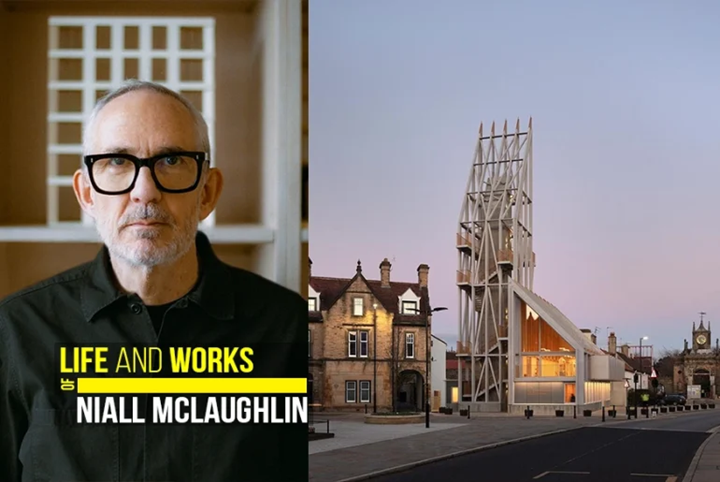
Architecture, at its most powerful, does not overwhelm-it lingers. It stays quietly in the mind, revealing itself slowly through light, proportion, and memory. This is the realm in which Niall McLaughlin works-an architect whose buildings do not seek attention, but instead cultivate a deep, almost spiritual connection with those who inhabit them.
Born in 1962 in Geneva and raised in Dublin, McLaughlin’s early life was shaped by a rich cultural duality. The intellectual rigor of European traditions combined with the poetic sensibility of Irish landscapes formed the foundation of his architectural outlook. His education at University College Dublin and later at the University of California, Los Angeles exposed him to contrasting yet complementary architectural ideologies. From Europe, he absorbed a respect for history and continuity; from America, a confidence in modern expression. What emerged from this synthesis was not a hybrid style, but a deeply personal philosophy-one that values restraint, meaning, and human experience over visual spectacle.
When he established Niall McLaughlin Architects in London in 1992, his work began to articulate this philosophy with quiet clarity. Over the decades, the practice has built a strong portfolio of educational institutions, chapels, housing projects, and cultural buildings, primarily across the United Kingdom. His firm has received numerous recognitions, including multiple RIBA National Awards, and consistent shortlisting for prestigious honors such as the RIBA Stirling Prize, one of the highest accolades in British architecture. These achievements, however, are not pursued as ends in themselves; they are by-products of a deeply committed design process.
What distinguishes his work most profoundly is his treatment of light. For McLaughlin, light is not merely a functional necessity but a primary building material. It is shaped, filtered, and guided with precision, transforming interiors into dynamic environments that shift with time and season. In his spaces, light is not static-it moves, breathes, and interacts with surfaces, creating an ever-changing dialogue between architecture and nature. This sensitivity elevates even the simplest materials-timber, brick, stone-into elements of quiet drama. His buildings often rely on passive environmental strategies, minimizing reliance on mechanical systems and reinforcing sustainability through design intelligence rather than technological excess.
His approach to history is equally nuanced. In an era where architectural responses to heritage often oscillate between mimicry and stark contrast, McLaughlin offers a third path. He engages with the past through interpretation rather than imitation. His buildings acknowledge history without being confined by it, creating a sense of continuity that feels both grounded and contemporary. This is particularly evident in academic settings, where his interventions respect the weight of tradition while gently introducing modern spatial experiences. Projects like the Darwin College Study Centre exemplify this balance, seamlessly integrating new architecture into historically sensitive contexts.
Perhaps nowhere is his philosophy more evident than in the Bishop Edward King Chapel in Oxford, a project that brought him international recognition and critical acclaim. The chapel’s design is rooted in geometry-a near-perfect polygonal plan-combined with a remarkable timber structure composed of interlocking elements. The building rises approximately 11 meters high, yet its scale feels intimate rather than imposing. Constructed using locally sourced materials and advanced digital fabrication techniques, it represents a fusion of craft and innovation. Carefully positioned apertures allow daylight to enter in a controlled, almost sacred manner, producing a constantly shifting play of light and shadow. The project not only earned a Stirling Prize nomination but also received the RIBA Building of the Year (2013) and multiple international recognitions, marking it as one of the most significant religious buildings of the 21st century.
This quality of invitation is central to McLaughlin’s work. His buildings are not designed to be consumed instantly; they are meant to be experienced over time. They encourage stillness, reflection, and awareness-qualities that are increasingly rare in contemporary architecture. Whether designing a study centre, a housing scheme, or a place of worship, he consistently creates environments that prioritize human presence over architectural ego. His residential projects, for instance, often incorporate courtyards, layered thresholds, and framed landscape views, ensuring a continuous dialogue between interior and exterior.
Beyond his built work, McLaughlin’s influence extends into academia, where he has taught at leading institutions and delivered lectures internationally. His association with organizations like the Royal Institute of British Architects further reinforces his role as a thought leader in the field. In recognition of his contribution to architecture, he was awarded the RIBA Royal Gold Medal in 2022, one of the highest honors in the profession, acknowledging not just individual projects but the overall impact of his work on architectural culture.
His teachings reinforce the idea that architecture carries a responsibility-not just to function or aesthetics, but to society, environment, and cultural continuity. He advocates for an approach that is thoughtful, ethical, and deeply rooted in context. In doing so, he challenges the prevailing culture of speed and spectacle, reminding us that meaningful architecture requires patience, care, and humility.
In a time when cities are rapidly transforming, and architecture often becomes a tool of visual competition, McLaughlin’s work offers a quiet resistance. It suggests that the most profound spaces are not those that demand attention, but those that reveal themselves slowly-through experience, memory, and emotion. His buildings do not shout; they whisper. Yet in that whisper lies a lasting resonance.
To engage with the work of Niall McLaughlin is to rediscover architecture not as an object, but as an experience- one shaped by light, grounded in context, and enriched by the subtle complexities of human life.
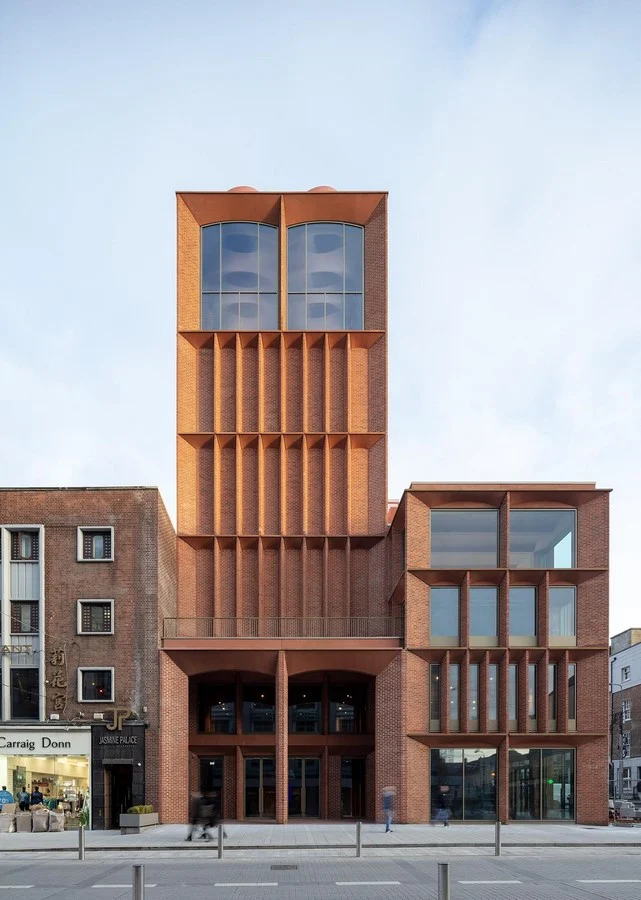
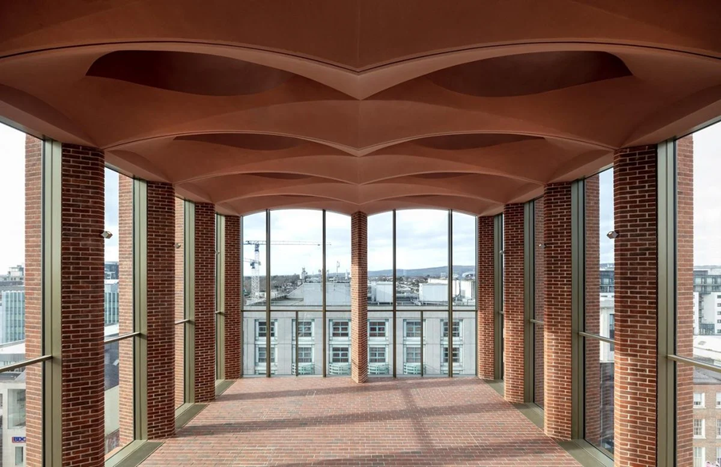
THE INTERNATIONAL RUGBY EXPERIENCE, IRELAND
(Source: www.niallmclaughlin.com/projects/the-international-rugby-experience/)
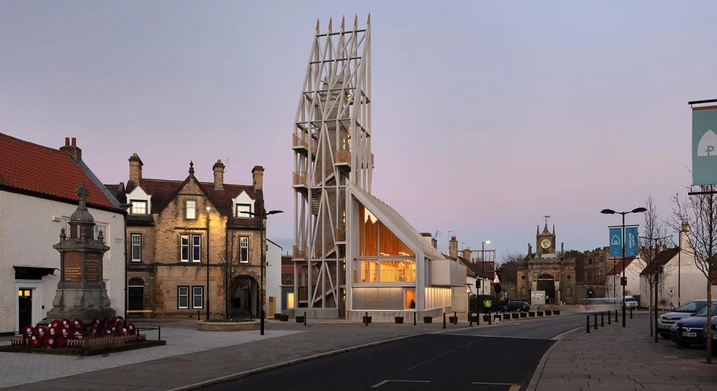
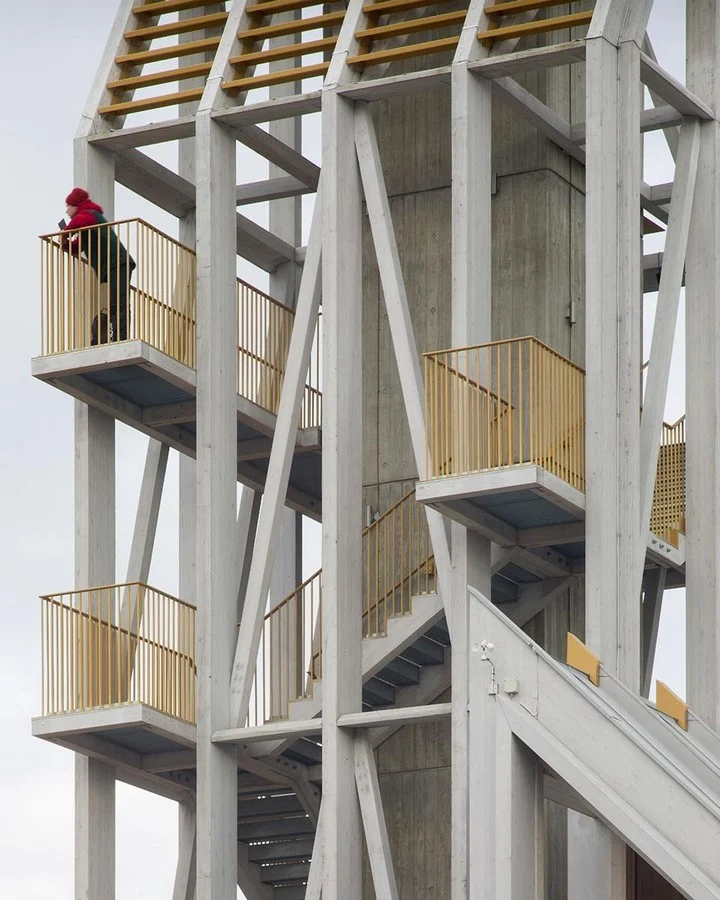
THE AUCKLAND TOWER, ENGLAND
(Source: www.niallmclaughlin.com/projects/auckland-tower/)
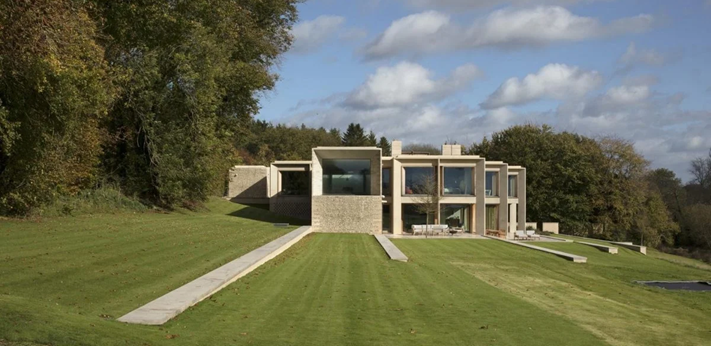
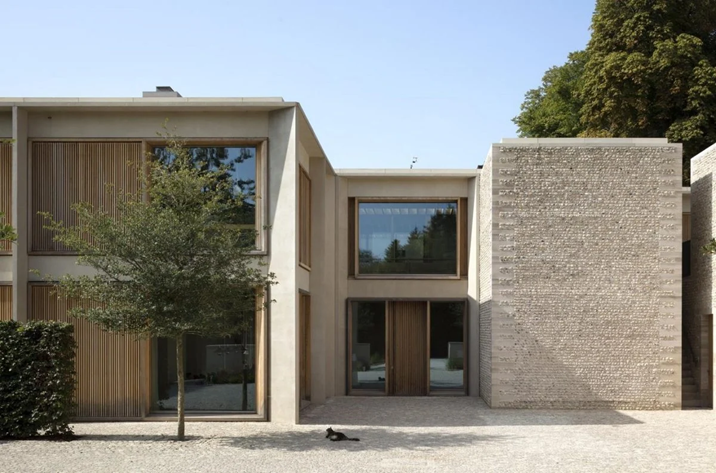
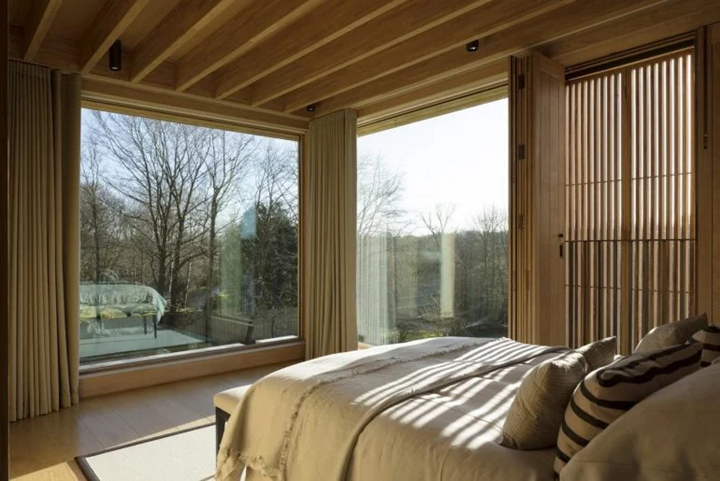
THE HAMPSHIRE HOUSE, ENGLAND
(Source: www.archdaily.com/913208/hampshire-house-niall-mclaughlin-architects)
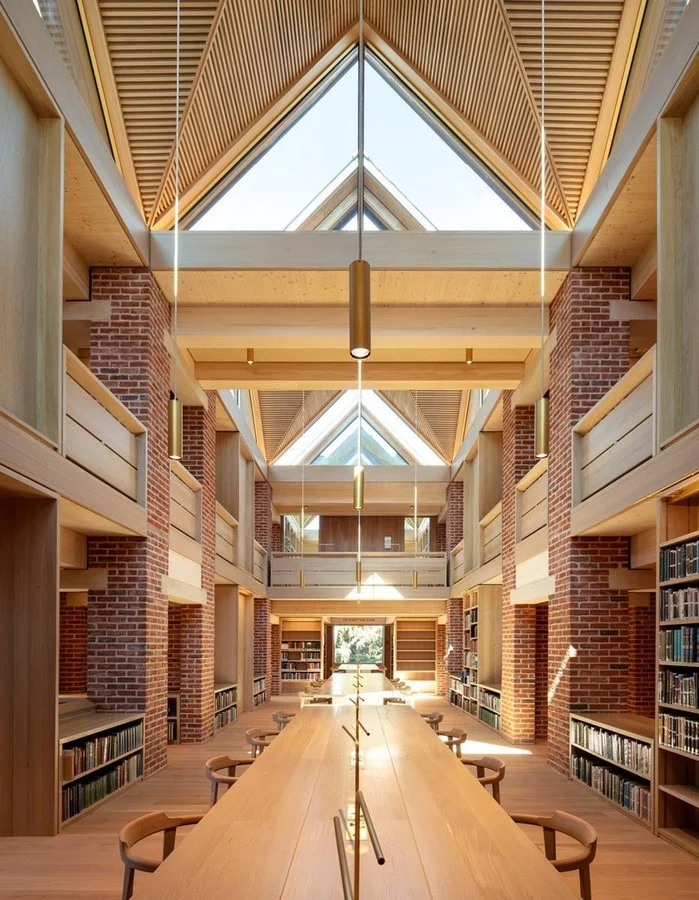
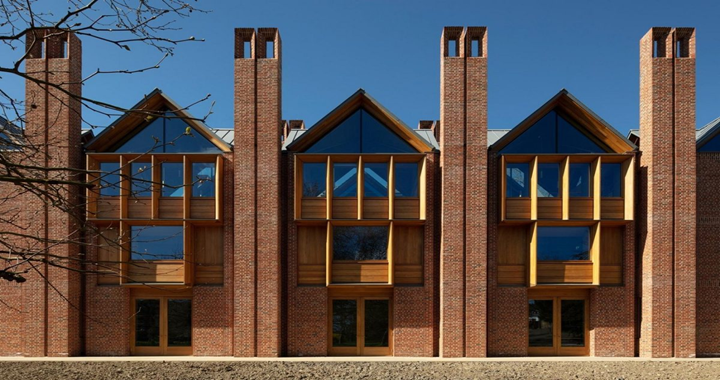
MAGDALENE COLLEGE LIBRARY, ENGLAND
(Source: www.niallmclaughlin.com/projects/the-new-library-magdalene-college )
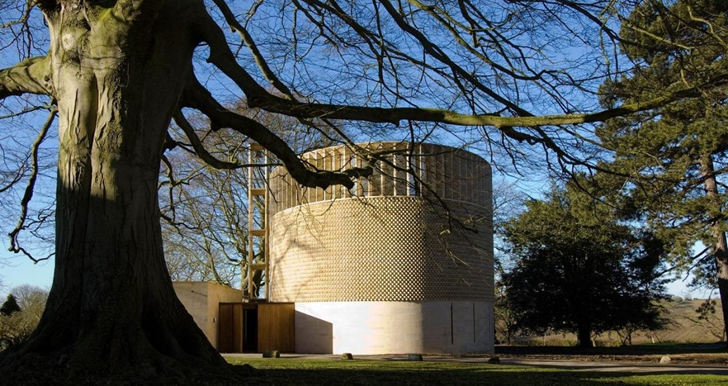
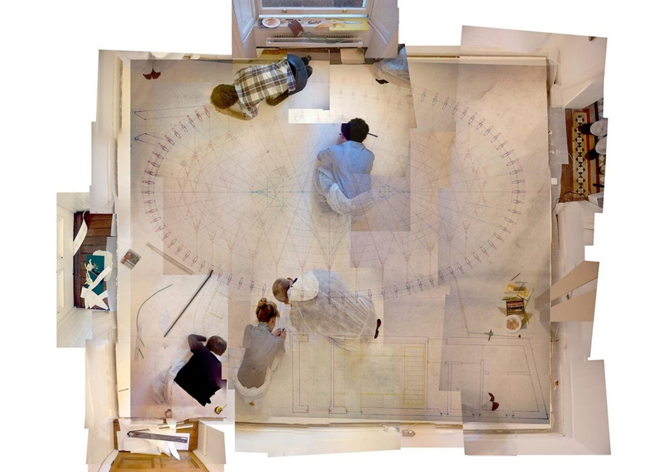
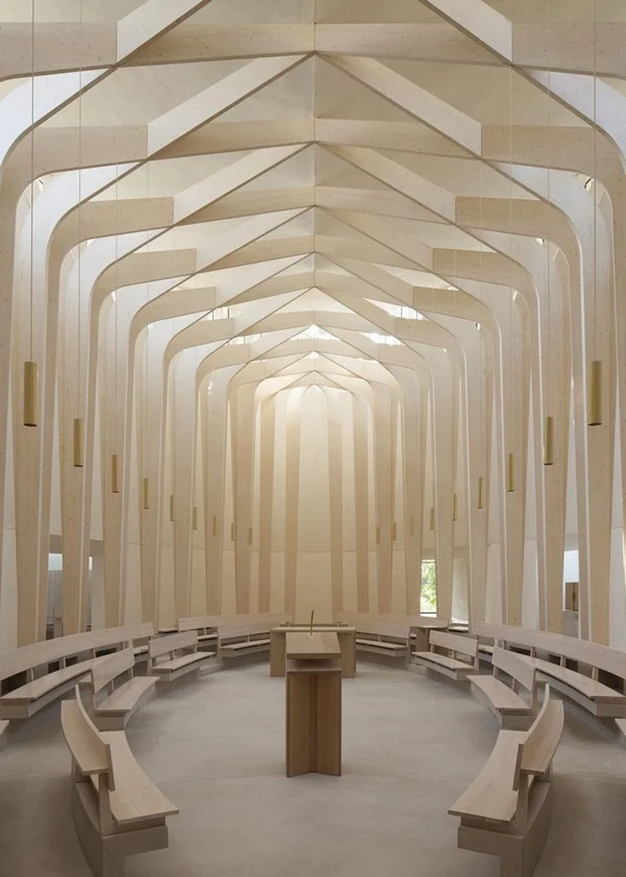
BISHOP EDWARD KING CHAPEL, ENGLAND
(Source: www.niallmclaughlin.com/projects/bishop-edward-king-chapel)
REFERENCES :
- Niall McLaughlin Architects. (2026). Níall McLaughlin.
- Arquitectura Viva. (2024). Bishop Edward King Chapel, Cuddesdon (United Kingdom) – Níall McLaughlin Architects.
- Arquitectura Viva. (2024b). Magdalene College Library, Cambridge (United Kingdom) – Níall McLaughlin Architects.
- Oliver Wainwright. (2022, October 13). Cosy nooks in a thicket of books: Time-straddling library is Britain’s best new building. The Guardian.
- David Tapia. (2019). Hampshire House / Niall McLaughlin Architects. ArchDaily.
- James Astbury. (2019, March 22). Niall McLaughlin Architects creates English country house in Hampshire. Dezeen.
- Pablo Pintos. (2021). Auckland Tower / Niall McLaughlin Architects. ArchDaily.
- Niall McLaughlin, & Kane, N. (n.d.). The International Rugby Experience. Divisare.
- c3editor. (2025). The International Rugby Experience. C3GLOBE.
- Amy Peacock. (2023, April 6). Niall McLaughlin Architects creates red-brick beacon for Rugby Museum. Dezeen.
Also Read: Baron Haussmann: The “Slasher of Paris” Who Reimagined the Modern City