

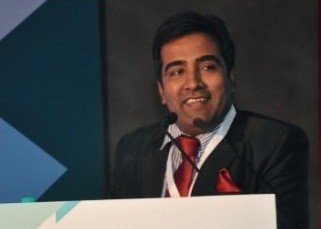
At a time when architecture is often defined by scale and spectacle, architect, academician, curator, author and TEDx speaker, Rajendra Kumar advocates a more meaningful approach rooted in culture, identity, memory, and human emotion.
Based in New Delhi, Rajendra Kumar’s work spans architecture, academia, research, curation, photography, and international cultural dialogue. A graduate of Chandigarh College of Architecture and Politecnico di Milano, Italy, he has consistently engaged with global institutions, embassies, universities, and architectural forums.
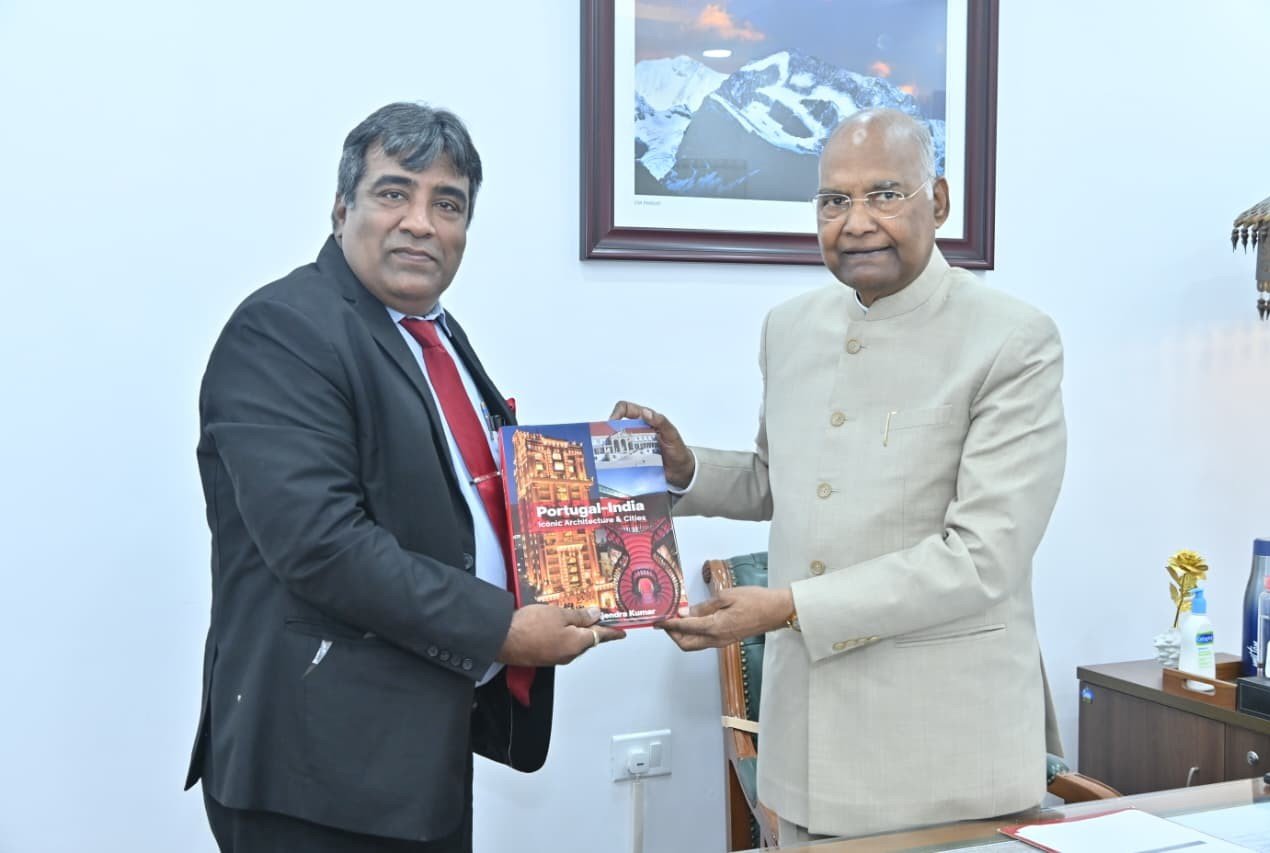
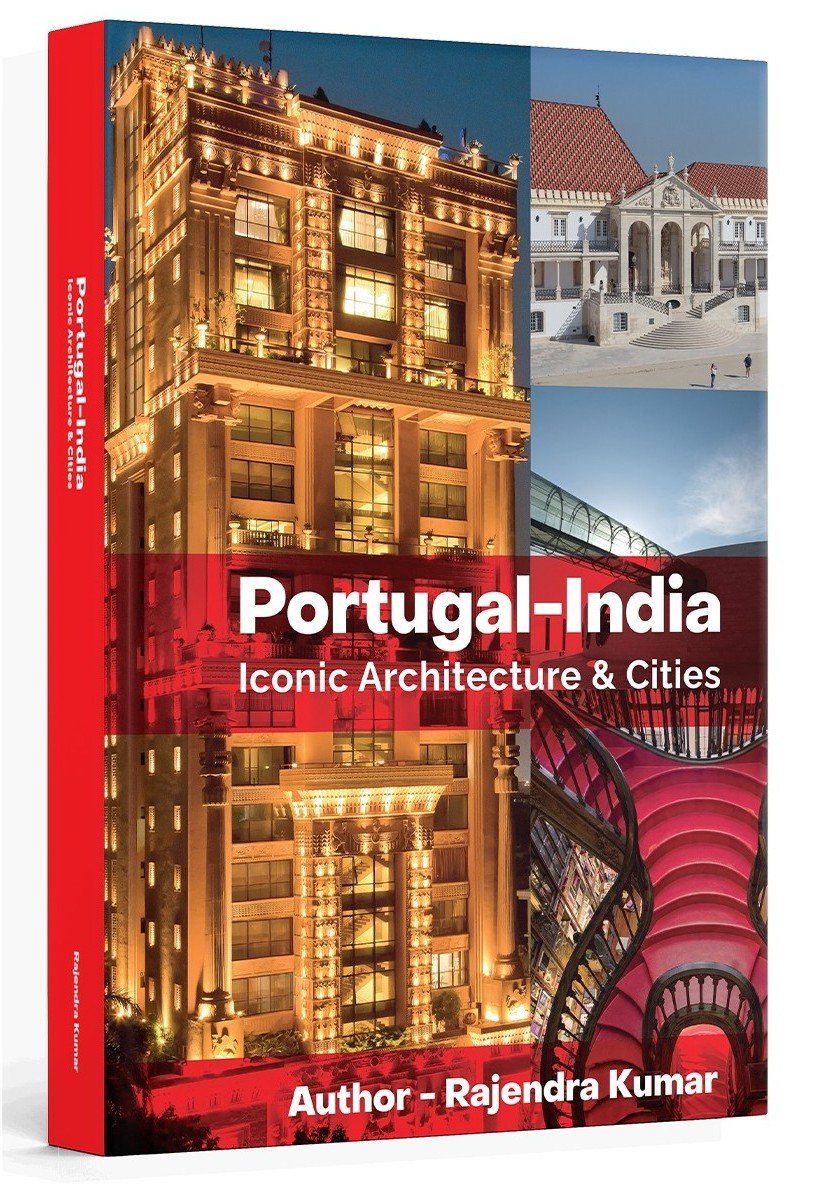
His recent publication and exhibition, ‘Portugal–India: Iconic Architecture and Cities’, developed in collaboration with the Embassy of Portugal during the ‘50th anniversary of diplomatic relations between India and Portugal’, explores the deep architectural and cultural connections between the two nations.
The book features a foreword by H.E. Mr. Paulo Rangel, Foreign Minister of Portugal and preface by Mr. Devendra Fadnavis, Chief Minister of Maharashtra, brings together works by renowned architects including Álvaro Siza, Eduardo Souto de Moura, Charles Correa, Raj Rewal, and Hafeez Contractor.
In this conversation with TheAPN, Rajendra Kumar discusses Indo-Portuguese architectural dialogue, emotional connections in architecture, heritage, documentation, and why Indian architecture must move beyond an obsession with scale toward greater sensitivity and global outreach.
Interview
TheAPN: Before discussing your book, could you tell our readers about your journey in architecture and academia?
RK: When I went to Chandigarh, it was a very eye-opening experience because the city itself reflected the power of architecture and planning. It completely changed my understanding of how architecture can influence society and urban life. Later, my studies at Politecnico di Milano exposed me to a beautiful coexistence of history and modernity, which deeply shaped my architectural thinking.
Professionally, I worked with Spanish architects first in Madrid, Spain and later as Indian Representative working in India on projects across Delhi, Chandigarh, Bengaluru, and other cities, but gradually my interest shifted toward academics, architectural criticism and understanding the emotional dimension of buildings beyond their physical form. I started working parallelly into academia, served as director of architecture school, and began writing for Indian and international architecture magazines. Over the years, I also became increasingly involved in curating exhibitions, symposiums, and global dialogues focused on architecture, cities, and cultural relationships.
TheAPN: What inspired you to write your book Portugal–India: Iconic Architecture and Cities at this point in time?
RK: The book was developed during the celebration ‘50th Anniversary of diplomatic relations between India and Portugal’ in 2025. Many people do not realize that although India became independent in 1947, formal diplomatic relations with Portugal started later because Goa was under Portuguese control for many years even after India’s independence from British.
In 2025, during course of my research of cultural and diplomatic exchanges, I realized there were many untold architectural and historical connections between India and Portugal. Since my work already focuses on global architecture and India’s cultural relationships with other countries, I thought it was the right time to explore this subject deeply. I was invited to Portugal during the visit of the President of India, and that exposure further strengthened my interest in researching architectural and cultural links between the two countries. The project eventually became an exhibition and publication that combined architecture, diplomacy, history, and cultural exchange.
TheAPN: Your book title suggests a cross-cultural dialogue. How do you interpret the architectural relationship between Portugal and India?
RK: Architecture always reflects cultural exchange. Portuguese influence in India can still be seen in Goa, Daman, Diu, Cochin, Calicut, and even Mumbai. Many people do not know that Bombay also had Portuguese connections before British rule became dominant there. When two cultures interact for centuries, their influence naturally appears in architecture, food, materials, urban patterns, and lifestyle. Indo-Portuguese architecture is not just about decorative style; it is about climate, geography, history, and culture. For example, Goa and Portugal are both coastal regions, so certain architectural responses such as sloping roofs, tiled surfaces, and ventilation systems evolved naturally according to climatic conditions. Even things like tiles, food, and colors became part of this cultural exchange. Many people assume certain things are entirely Indian, but cultural exchanges have shaped societies for centuries.
TheAPN: In your opinion, what are the most distinctive features of Indo-Portuguese architecture?
RK: One important aspect is definitely the climatic response. Portugal and Goa share coastal climatic conditions, so architectural forms such as sloping roofs, pitched roofs, and tiled surfaces became common. Tile culture is especially significant. Goan tiles are different from tiles generally used in North India. The use of tiles became one of the strongest visual identities connecting Portuguese and Goan architecture. There is also a strong influence in colours, streetscapes, and urban texture. But most importantly, Indo-Portuguese architecture represents cultural fusion developed over centuries.
TheAPN: Which projects or buildings from the book best represent this cultural fusion?
RK: The Champalimaud Centre for the Unknown by Charles Correa in Lisbon is one of the strongest examples in the book. It is a remarkable project representing modernity and cultural dialogue between India and Portugal. Another important project is the renovation of the Cidade Goa by architect Vandana Saxena. It is a very sensitive intervention where contemporary architecture engages beautifully with heritage. The book also includes projects such as the Della Tower by Jimmy Mistry and works by Álvaro Siza and Eduardo Souto de Moura. I wanted the publication to include both established masters and younger architects to create a wider architectural dialogue.
TheAPN: Were there any major challenges while documenting these projects and cultural histories?
RK: The challenges were often cultural and diplomatic rather than technical. Some places required special permissions for photography and documentation. Certain institutions and religious spaces also had cultural sensitivities that needed to be respected carefully. When documenting architecture in another country or culture, you must understand local customs, traditions, and social behaviour. Those aspects are equally important as architectural documentation itself. At the same time, these challenges made the process more meaningful because architecture is deeply connected to society and culture.
TheAPN: What message are you trying to communicate through this book and your broader work?
RK: My larger message is that Indian architecture needs stronger global outreach and better documentation. The world already admires historical monuments like the Taj Mahal, the heritage of Rajasthan, but contemporary Indian architecture still does not receive the international attention it deserves. India has extraordinary architectural talent, but we often fail in documentation, presentation, and outreach. Architectural photography, publications, exhibitions, and narratives are extremely important today. I also feel Indian architecture talks too much about scale, bigger buildings, taller towers, larger developments. But architecture should also focus on sensitivity, emotions, quality, and context. Countries like Portugal may not build at the same scale as India, but their architecture often carries tremendous sensitivity and intellectual depth.
TheAPN: You often speak about emotional connections in architecture. Could you elaborate on this idea further?
RK: Architecture is not only about buildings; it is also about emotions and memories. A luxury hotel may be more comfortable and technically advanced than a person’s own home, but emotionally people remain attached to their own house because emotions create connection. Similarly, heritage buildings become meaningful because of stories, memories, and cultural identity associated with them. That emotional dimension is what makes architecture truly powerful.
TheAPN: What are the biggest threats facing architectural heritage today?
RK: One of the biggest challenges today is rapid technological change. Buildings constantly need upgrades and adaptation according to new technologies and systems. The challenge is how to integrate these changes without disturbing heritage identity. Heritage conservation today cannot simply mean preserving buildings exactly as they are. There has to be intelligent integration between heritage and contemporary technology.
TheAPN: Finally, who is this book intended for?
RK: The book is intended for architects, students, historians, diplomats, researchers, and also general readers interested in architecture and culture. I deliberately tried to make it accessible beyond architectural professionals. Along with architecture, it discusses history, diplomacy, culture, and social exchange. So, the publication is both architectural and cultural in nature.
Q. Would you like to add something for young architects and readers?
RK: Indian architecture is progressing in a very positive direction, but we need to become more sensitive toward history, quality, and intellectual depth. Architecture should not only focus on commercial success or visual spectacle. It should create emotional connection, social impact, and cultural value. Most importantly, Indian architects must confidently present their work on global platforms because India has enormous creative potential that deserves international recognition.
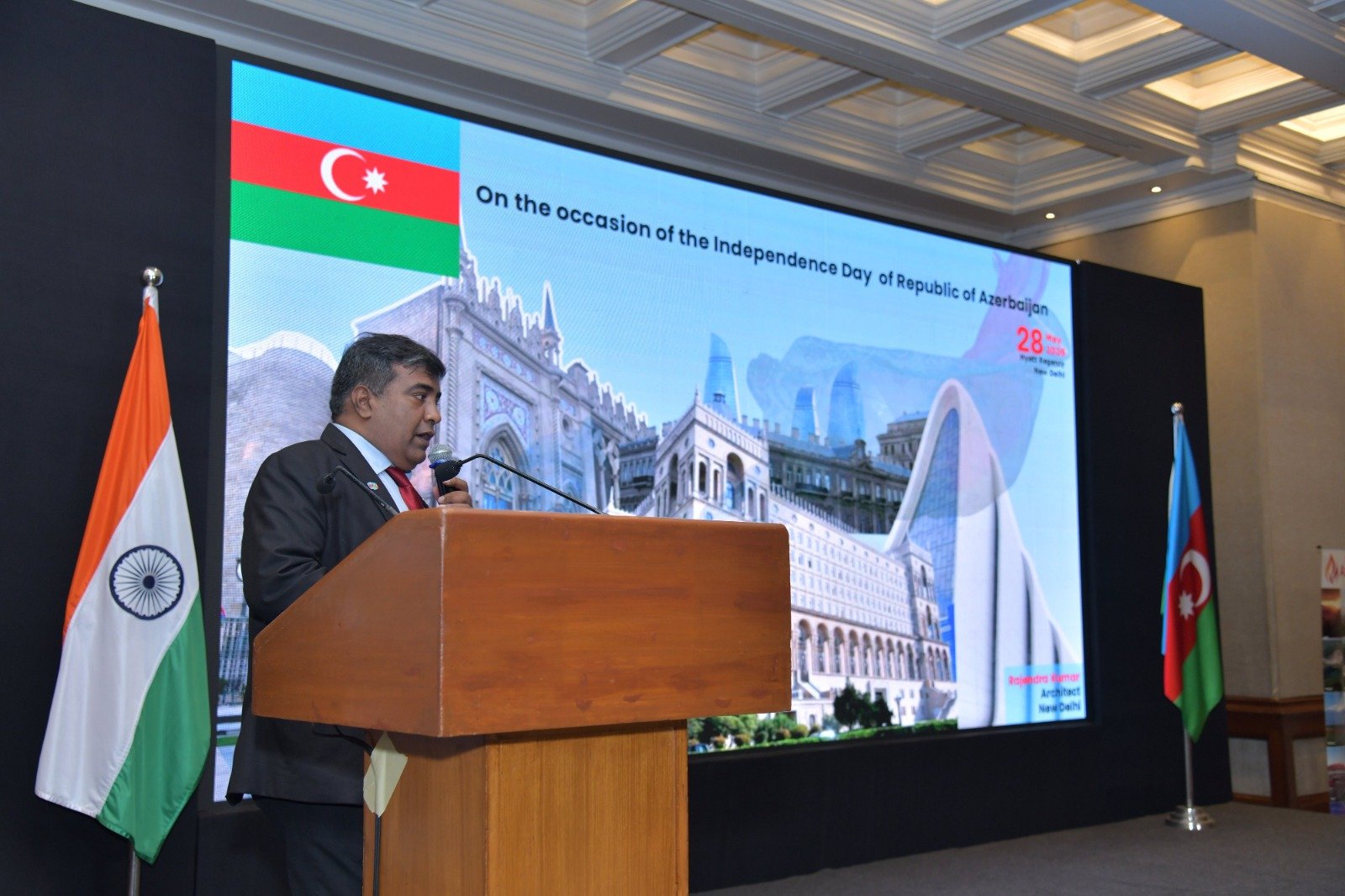
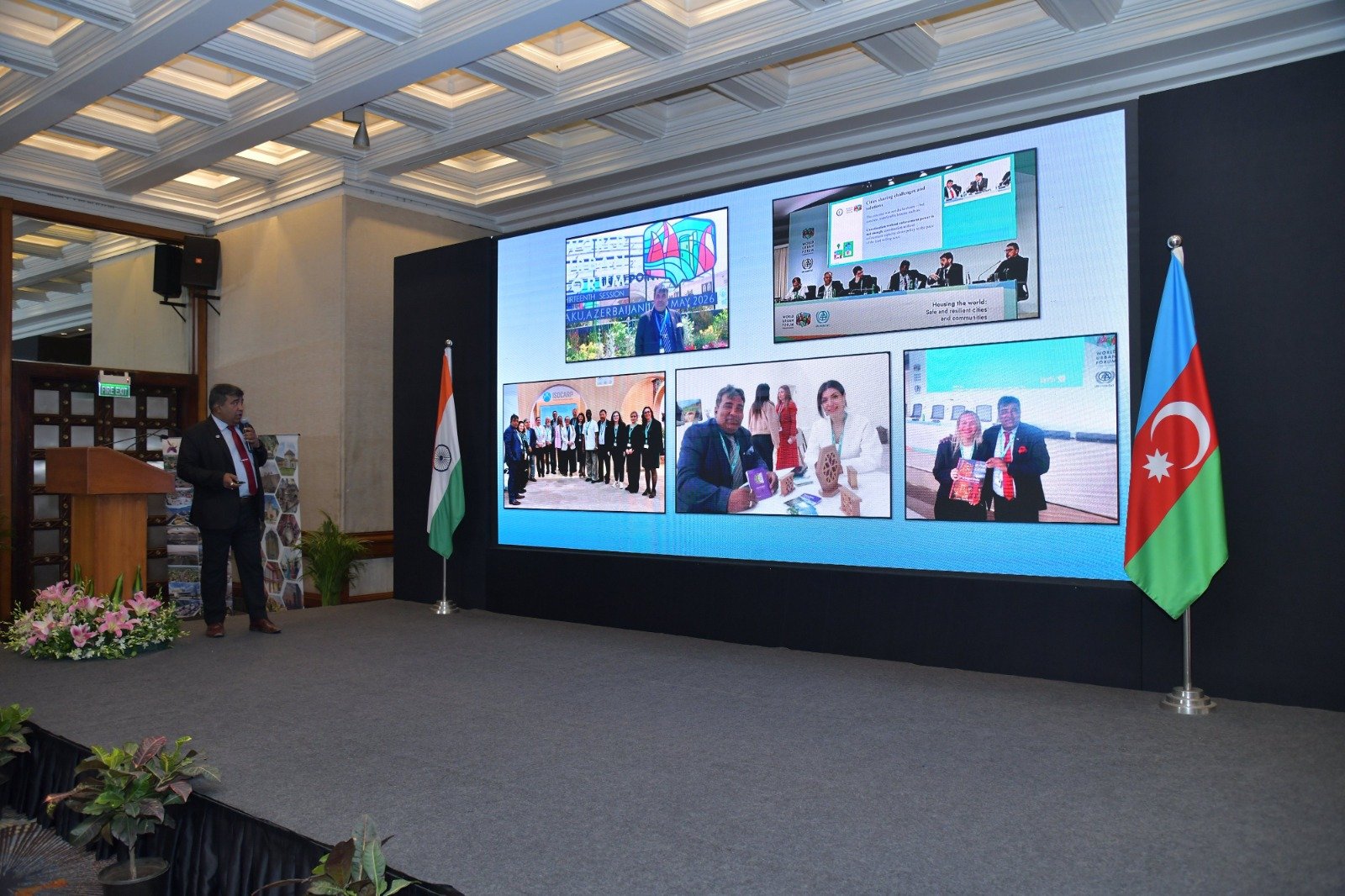
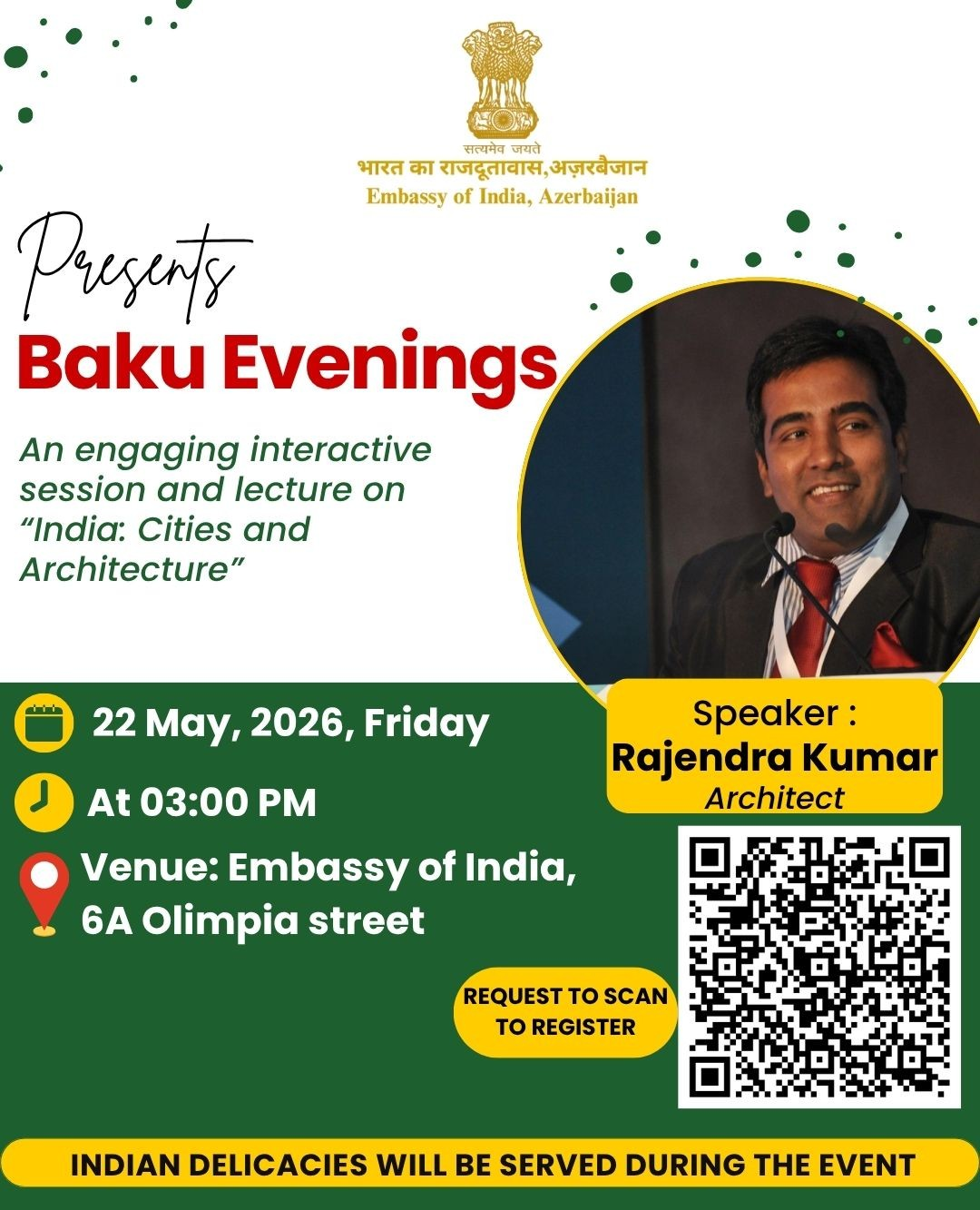
Through his research, writing, exhibitions, and academic engagement, Rajendra Kumar advocates for a more globally visible, critically documented, and emotionally grounded architectural culture in India. His work on Indo-Portuguese architecture demonstrates how buildings can act as bridges between histories, cultures, and societies while also reminding contemporary architects to prioritize sensitivity, quality, and narrative alongside scale and commercial success.
This interview by TheAPN is part of its ongoing eff ort to foster dialogue and knowledge exchange on sustainable urban development. We sincerely thank the interviewee for their time and insights.
Also Read: WUF13 Opens in Baku with Global Focus on Housing Crisis and Urban Resilience
Join our WhatsApp Channel for fastest updates: Join now