

At the ongoing 48th session of UNESCO’s World Heritage Committee in Busan, Republic of Korea, two significant cultural properties—Gdynia Modernist City Centre (Poland) and Amazonia Theaters (Brazil)—have been inscribed on the UNESCO World Heritage List, recognizing their Outstanding Universal Value and contribution to global architectural and urban heritage.
The World Heritage Committee, meeting from 19–29 July 2026, is evaluating nominations from around the world while also reviewing the conservation status of existing World Heritage Sites. The Committee comprises representatives from 21 elected States Parties to the World Heritage Convention.
Gdynia Modernist City Centre: A Landmark of Interwar Urban Planning
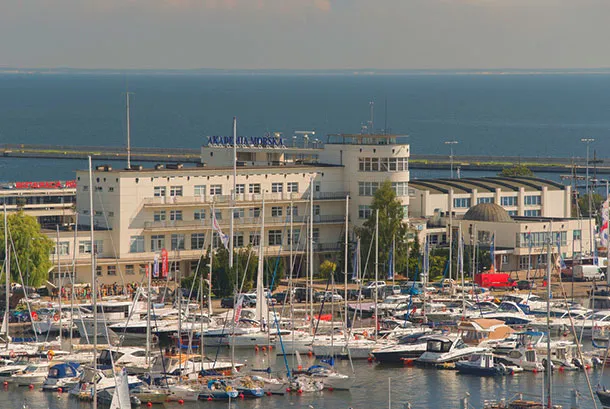
The inscription of Gdynia Modernist City Centre celebrates one of Europe’s finest examples of 20th-century modernist urbanism. Developed almost entirely between the First and Second World Wars, the city centre reflects Poland’s ambitious nation-building efforts following its independence.
Located on the Baltic coast, the heritage property encompasses the city’s principal east-west and north-south streets, featuring carefully planned urban blocks and a cohesive collection of preserved modernist buildings. The architecture is characterized by streamlined forms, flat roofs, rounded corners and maritime-inspired design elements that collectively represent the ideals of functionalism, technological progress and modern city planning.
UNESCO noted that Gdynia demonstrates a distinctive block-based planning approach and illustrates the transformation of a small fishing village into a major seaport and modern city during the interwar period.
Brazil’s Amazonia Theaters Recognized for Cultural and Urban Significance
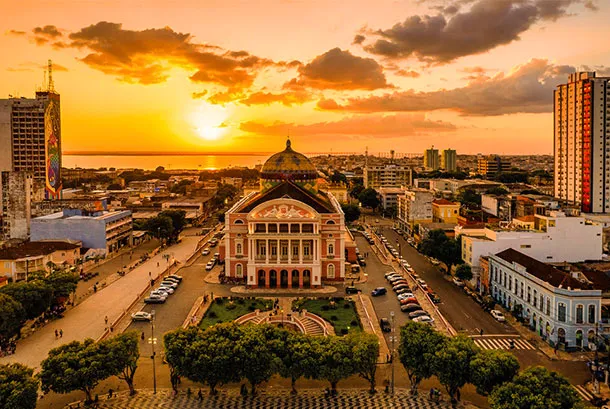
The Committee also inscribed Amazonia Theaters, a serial cultural property comprising two historic theatre complexes:
- Theatro da Paz and Praça da República in Belém, Pará
- Teatro Amazonas and Largo de São Sebastião in Manaus, Amazonas
Constructed during the Amazon Rubber Boom between 1879 and 1912, these monumental cultural ensembles symbolize the economic prosperity and urban ambitions of the period.
Inspired by French and broader European architectural traditions while incorporating motifs reflecting the Amazon region, the theatres became important civic landmarks and symbols of political, cultural and economic development. The properties illustrate how public architecture played a central role in shaping the identities of Belém and Manaus during one of Brazil’s most transformative periods.
Protecting Humanity’s Shared Heritage
The 48th session of the World Heritage Committee continues to examine nominations from across the globe, reinforcing UNESCO’s mission to safeguard cultural and natural heritage of outstanding universal value for future generations.
The annual session serves as the world’s foremost platform for recognizing exceptional places that represent humanity’s shared history, architectural achievements, cultural traditions and natural landscapes.
Source
- UNESCO World Heritage Committee 2026
- UNESCO World Heritage Centre – 48th Session
- Reuters report on Gdynia’s inscription
Also Read: Ancient Buddhist Site of Sarnath Inscribed on UNESCO World Heritage List
Join our WhatsApp Channel for fastest updates: Join now