
The Delhi Regional Chapter of the Institute of Town Planners, India (ITPI) organized an interactive workshop titled “Lead the Layout: Government & Industry in Dialogue – समन्वय” at the ITPI Headquarters, New Delhi, on May 16, 2026. The event brought together policymakers, planners, researchers, private developers, infrastructure experts and mobility professionals to deliberate on the evolving challenges of urban development, governance and city planning.
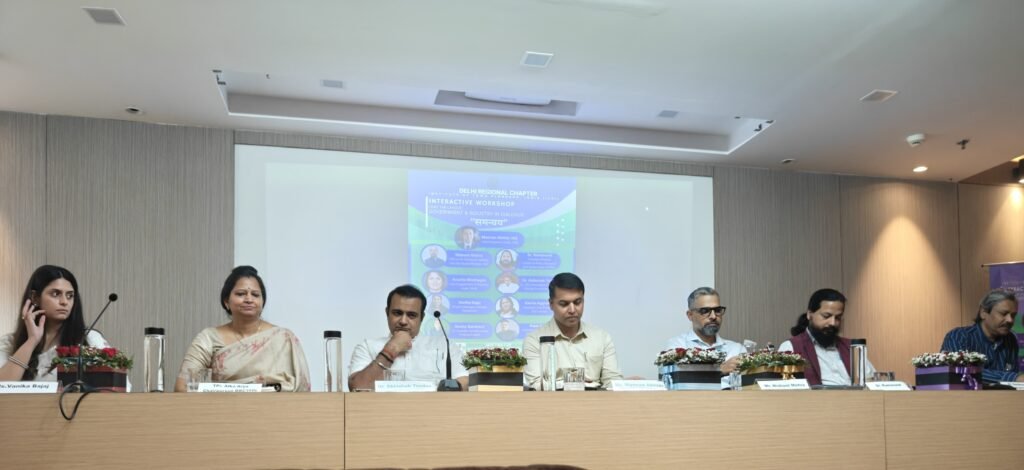
Moderated by Sharad Mohindru, EC Member of ITPI-DRC and Co-founder of Unitrans Mobility Solutions, the workshop centered around the idea of collaboration between public institutions and industry stakeholders for shaping inclusive, sustainable and implementable urban futures. Opening the session, Mohindru described “समन्वय” as a reflection of harmony, collective progress and coordinated action in city-making. He invoked the Vedic principle of working together in harmony, setting the tone for a dialogue-driven discussion.
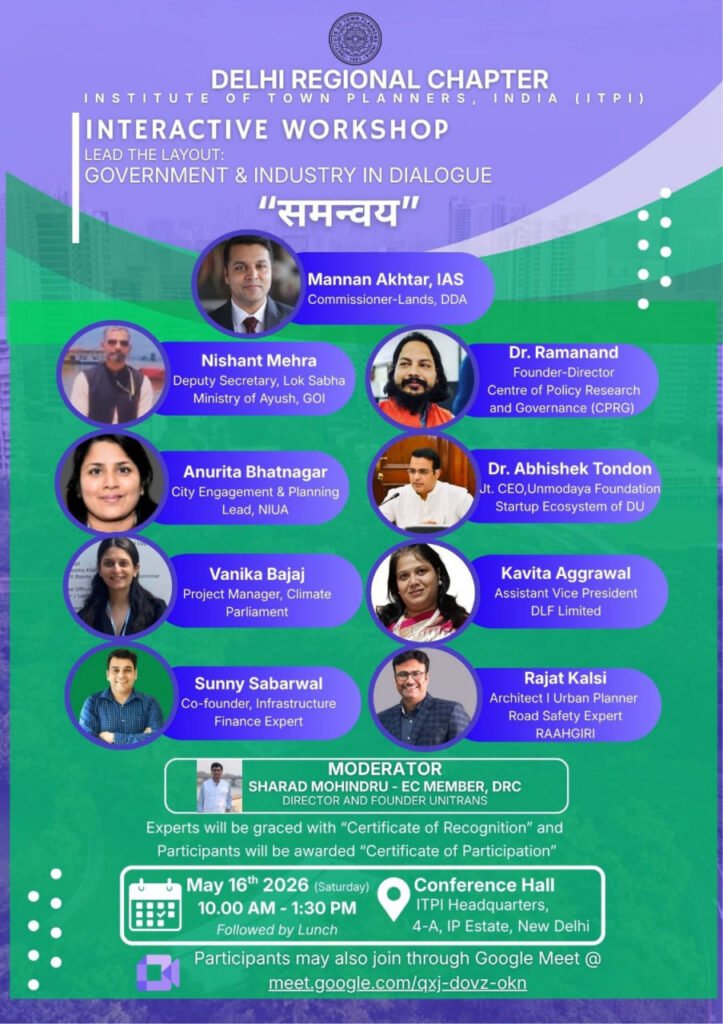
Among the key speakers was Mannan Akhtar, IAS, Commissioner (Lands), Delhi Development Authority (DDA), who offered an extensive perspective on Delhi’s planning history and the institutional role of DDA in shaping the capital city. Tracing the evolution of Delhi from the Delhi Improvement Trust era to modern-day urban expansion, he reflected on how planning frameworks, land acquisition systems and housing policies evolved over decades.
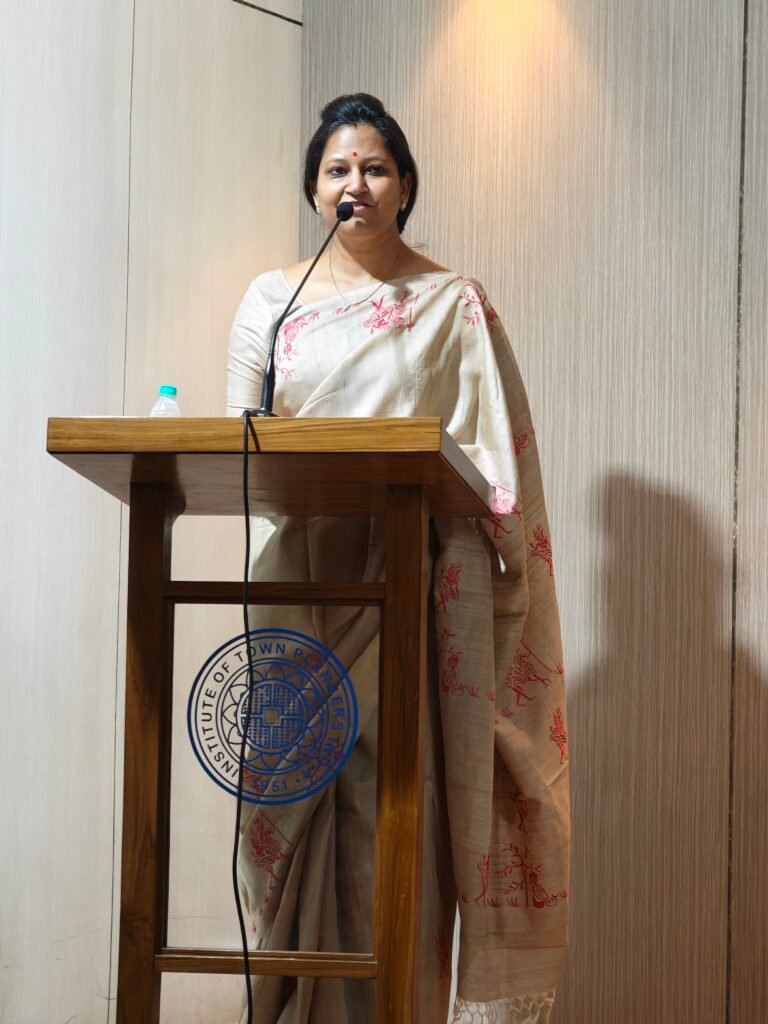
Chairperson – DRC ITPI and Director, DDA
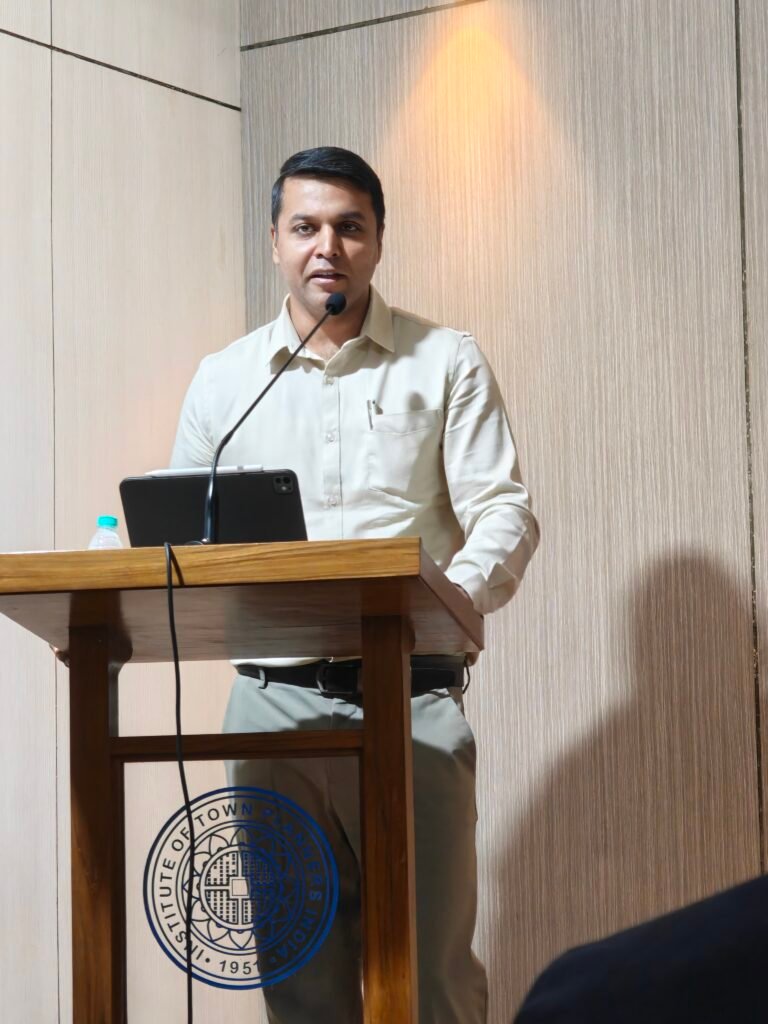
Commissioner-Lands, DDA
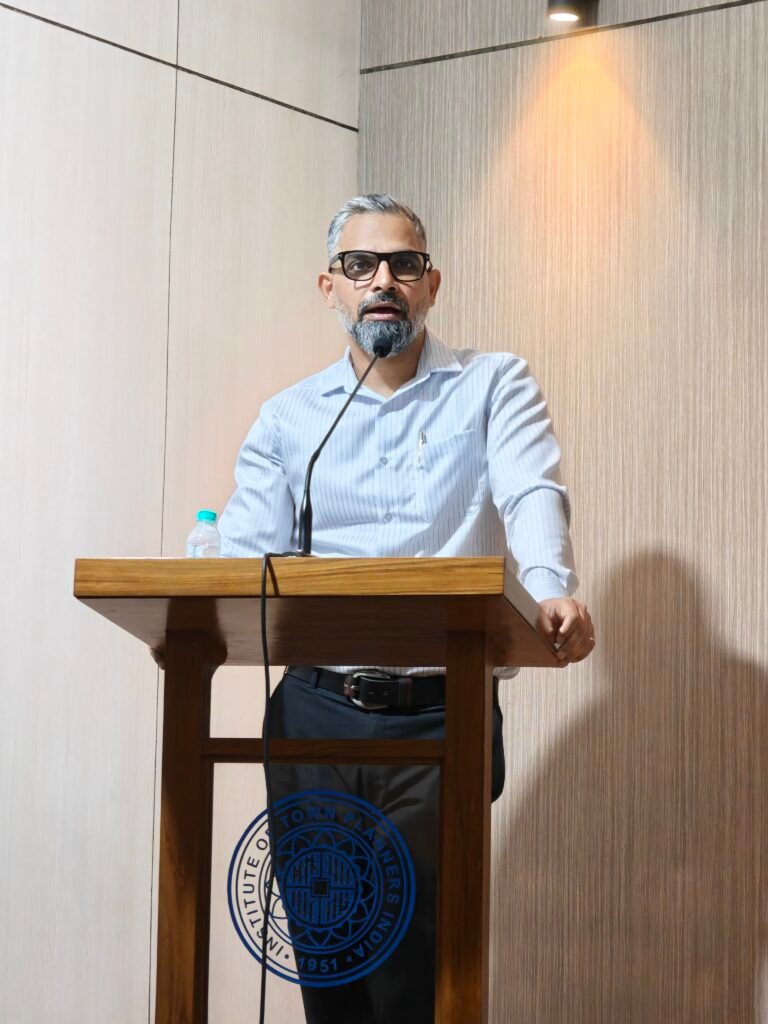
Deputy Secretary, Lok Sabha Ministry of Ayush, GOI
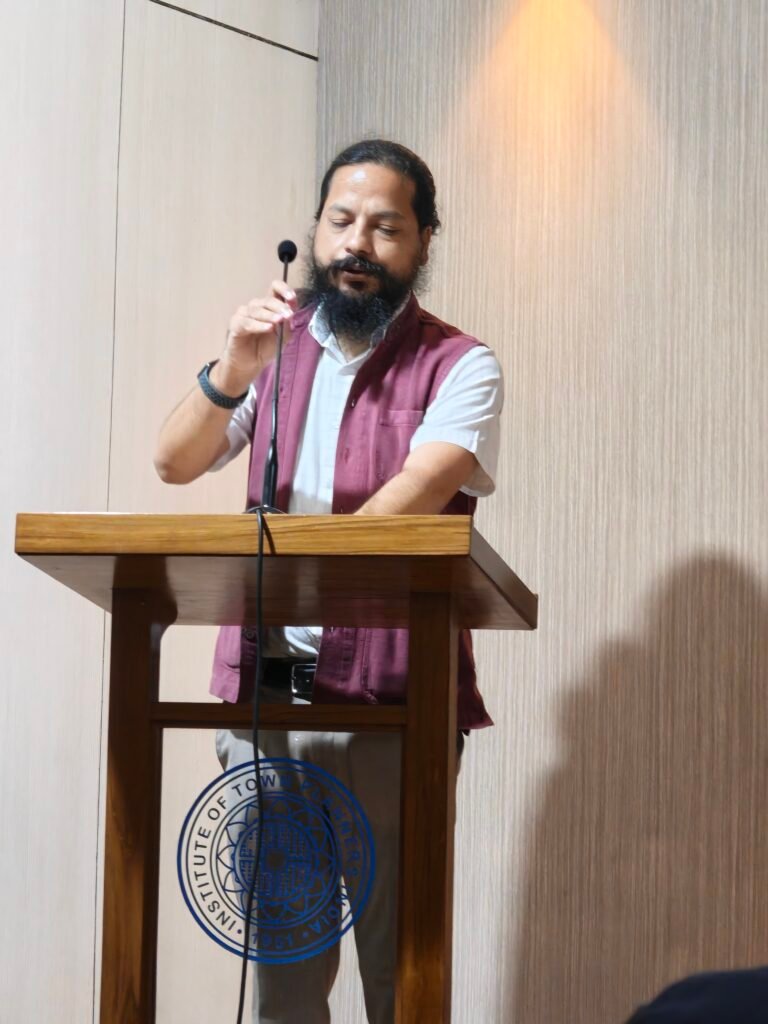
Founder-Director, Centre Of Policy Research And Governance (CPRG)
Akhtar highlighted the growing complexities that emerged after the economic liberalization of the 1990s, including commercialization of residential areas, rising land values and the growth of unauthorized colonies due to the shortage of affordable housing. He noted that while planned colonies once integrated residential, commercial and community infrastructure in a balanced manner, changing socio-economic realities required new planning responses.
Nishant Mehra, Deputy Secretary, Lok Sabha Secretariat and Ministry of Ayush, spoke about the increasing shift toward Public-Private Partnership (PPP) models in governance and infrastructure development. Drawing from his administrative experience, he emphasized that government institutions are gradually transitioning from direct implementation toward regulatory and policy-oriented roles. He said such interactions between government and private stakeholders are essential for creating responsive policies and stronger implementation mechanisms.
Dr. Ramanand, Founder-Director of the Centre for Policy Research and Governance (CPRG), stressed the need for convergence between governance, sustainability and local realities. He argued that planning cannot remain isolated from environmental sensitivity and local socio-cultural conditions, and called for more grounded and practical policy frameworks.
A significant intervention came from Dr. Abhishek Tandon, Joint CEO of Unnodaya Foundation and Startup Ecosystem of Delhi University, who raised concerns over the transformation of residential neighborhoods into unregulated commercial and guest-house clusters. Referring to changing conditions in Rajendra Nagar and other parts of Delhi, he observed that cities must balance economic activity with livability, safety and public spaces.
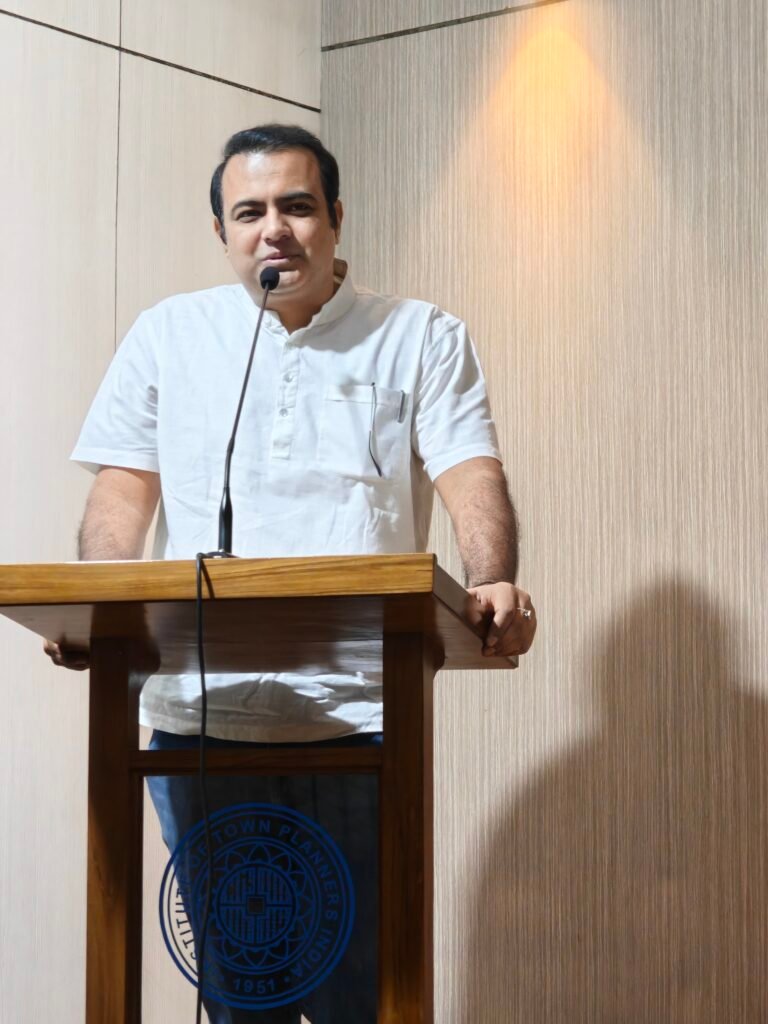
Jt. CEO, Unmodaya Foundation Startup Ecosystem Of DU
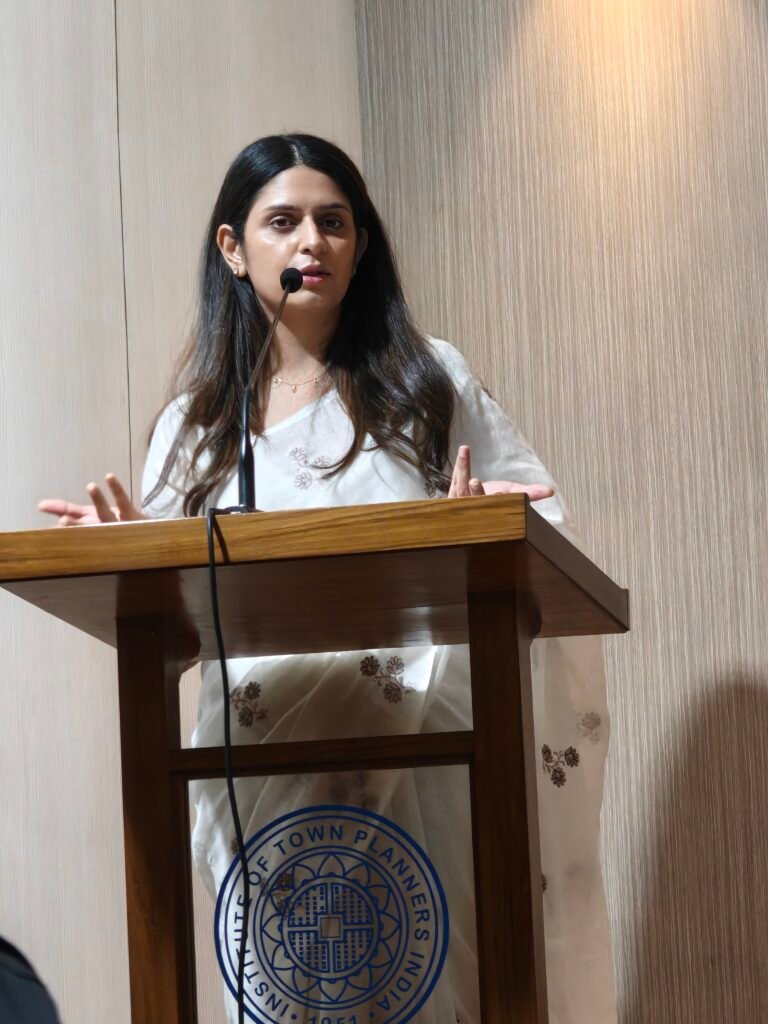
Project Manager, Climate Parliament
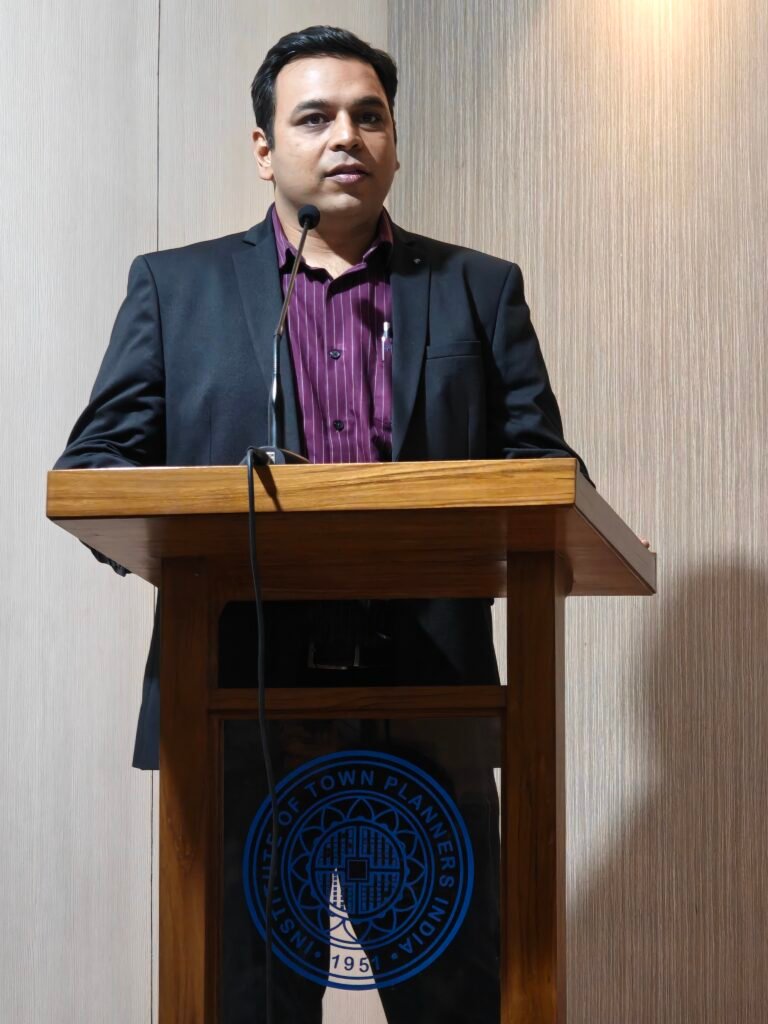
Co-Founder, Infrastructure Finance Expert
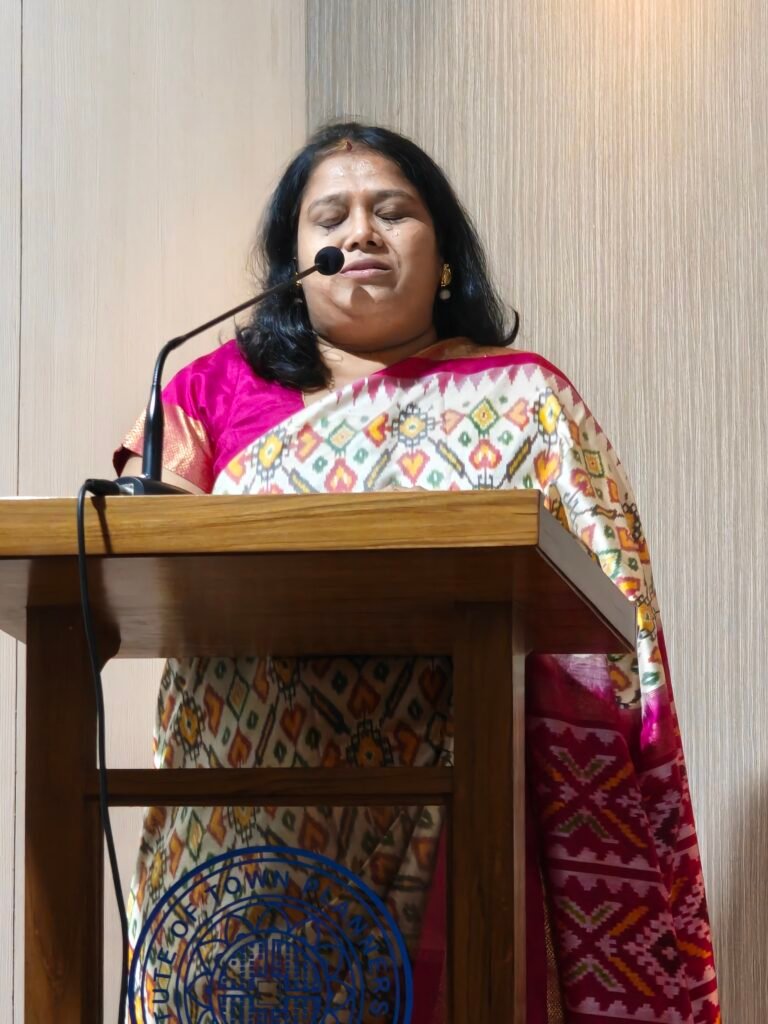
Assistant Vice President Dlf Limited
Dr. Tandon emphasized the importance of citizen participation in planning processes and argued that policy failures often arise from incorrect diagnosis of ground realities. He also pointed toward the migration of businesses and working populations toward Gurugram and NCR regions, raising questions about Delhi’s changing urban competitiveness and quality of life.
Infrastructure finance expert Sunny Sabarwal focused on the financial dimensions of urban development, explaining how many public infrastructure projects struggle due to weak maintenance planning, unrealistic DPRs and fragmented governance systems. He stressed that infrastructure should not be viewed as isolated construction projects, but as interconnected systems designed to improve “ease of living.”
Sabarwal pointed out that India’s urban growth will increasingly depend on diversified financing tools such as municipal bonds, green financing and PPP models. He also underlined the importance of designing financially sustainable projects that account for long-term operational and maintenance costs rather than only initial construction expenditure.
Representing the private development sector, Kavita Aggarwal of DLF reflected on the role of real estate in shaping NCR cities such as Gurugram. While acknowledging infrastructural shortcomings, she argued that Gurugram’s emergence demonstrated how industry participation, aspiration and coordinated development could transform urban regions.
Aggarwal raised practical concerns regarding the disconnect between planning policies and everyday urban needs. She cited examples such as the absence of designated spaces for informal service workers like dhobis and street vendors in residential planning frameworks. According to her, evolving migration patterns and changing urban lifestyles require regular revision of planning standards and implementation mechanisms.
She further stressed the need for early-stage consultation between policymakers and industry experts, continued digitization of land systems and closer alignment between planning assumptions and ground realities of urban density, migration and service economies.
The concluding expert session by architect and urban planner Rajat Kalsi of Rahagiri Foundation shifted attention toward mobility, road safety and pedestrian-centric planning. Presenting examples from Gurugram and Chandigarh, Kalsi showcased interventions related to safe streets, redesigned intersections, school zones and walkability improvements.
Kalsi emphasized that mobility remains central to urban quality of life and argued that transportation systems must prioritize pedestrians, safety and accessibility alongside vehicular movement. He highlighted the need for coordination among multiple agencies, including municipal bodies, NHAI and planning departments, in implementing effective road safety and public realm projects.
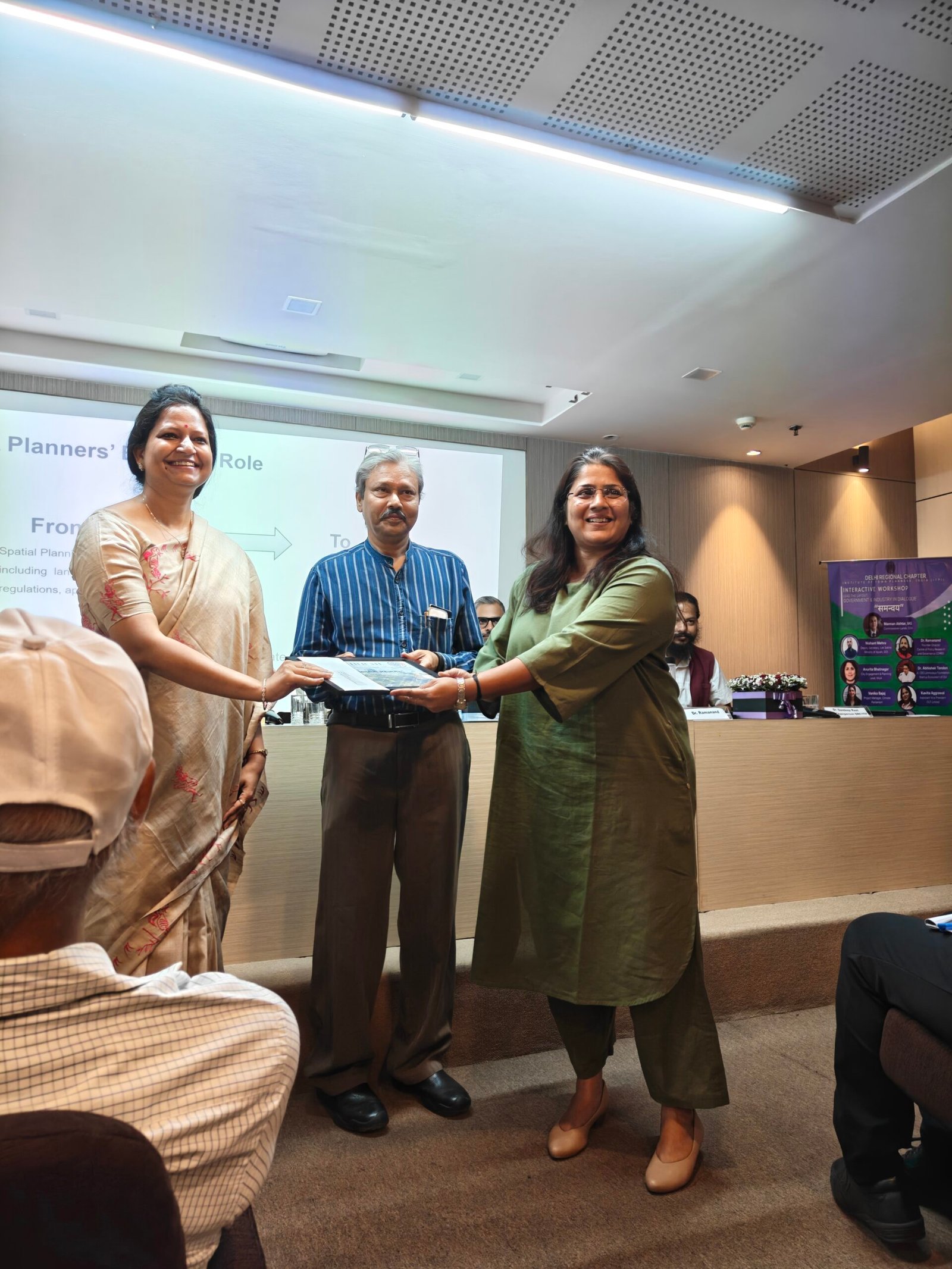
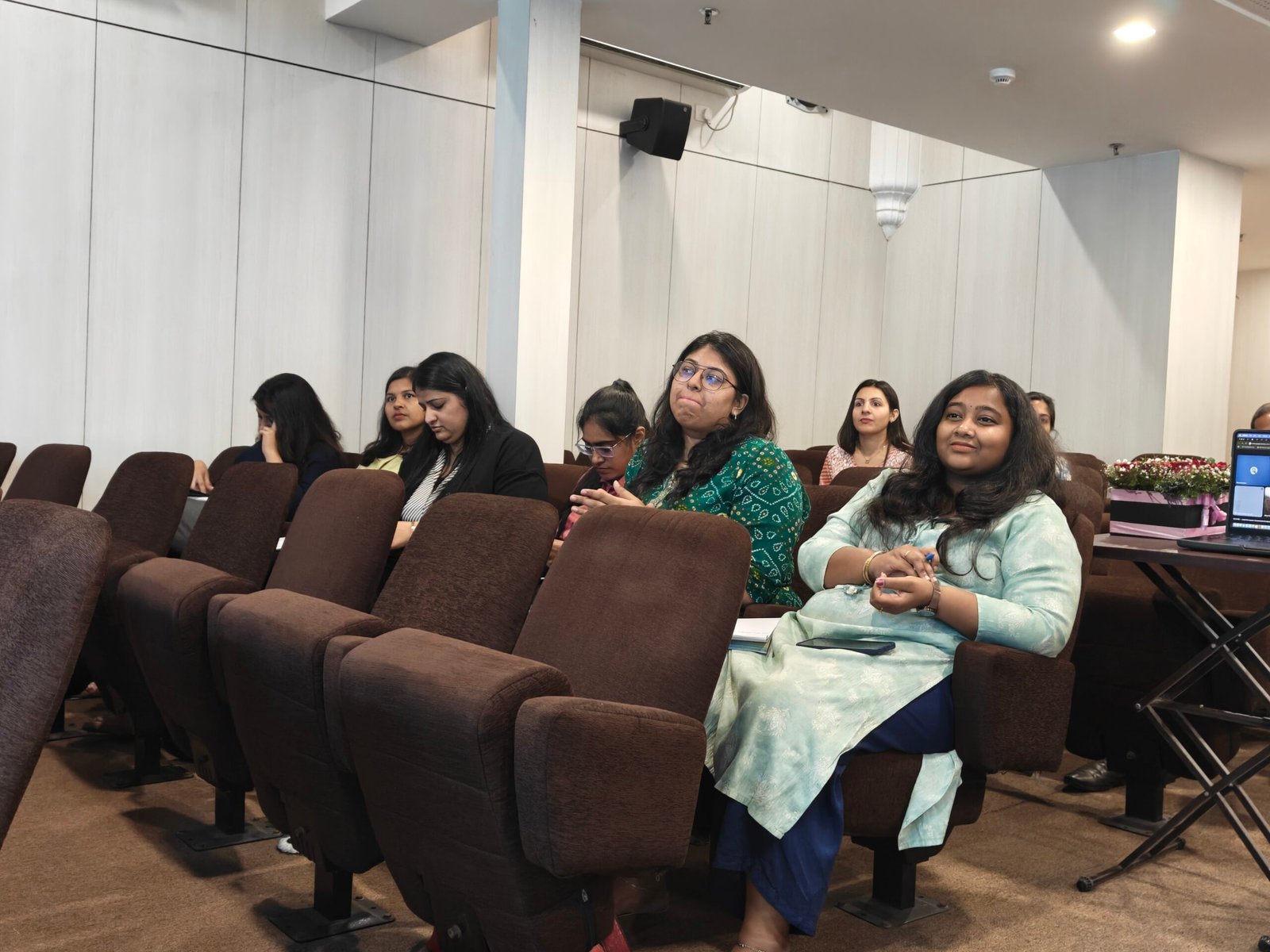
The workshop concluded with an open-house discussion where participants, students and policy researchers interacted directly with the panelists on issues ranging from citizen participation to facilitative governance models and decentralized planning approaches. The session reflected the broader objective of “समन्वय” — creating a shared platform where governance, planning practice and industry perspectives could collectively engage with the future of Indian cities.
TheAPN attended this event in person. The coverage distils the principal ideas and deliberations for the benefit of a wider public audience.
Join our WhatsApp Channel for fastest updates: Join now