

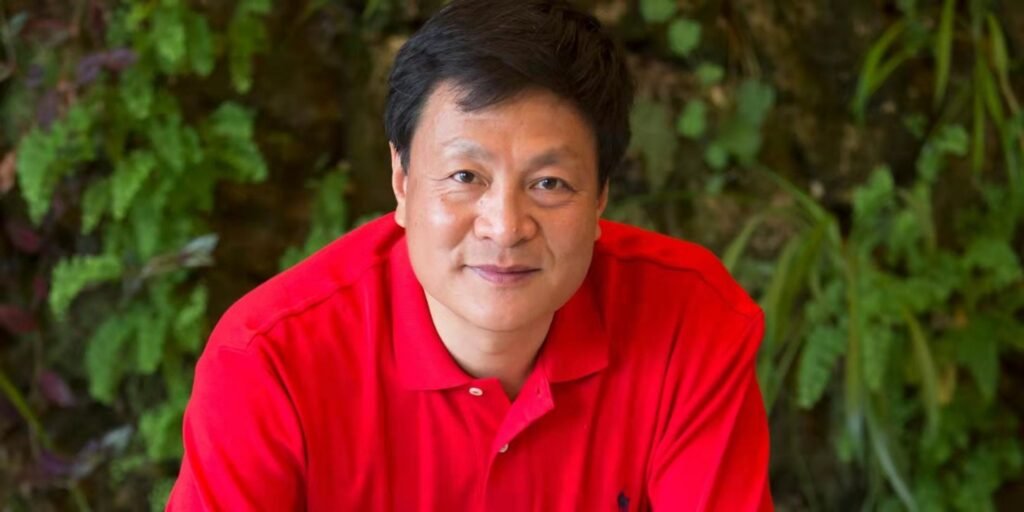
Kongjian Yu: Reimagining Urbanism Through Ecological Intelligence
In the twenty-first century, cities across the world are facing intertwined challenges of climate change, frequent urban flooding, water scarcity,
In the twenty-first century, cities across the world are facing intertwined challenges of climate change, frequent urban flooding, water scarcity,
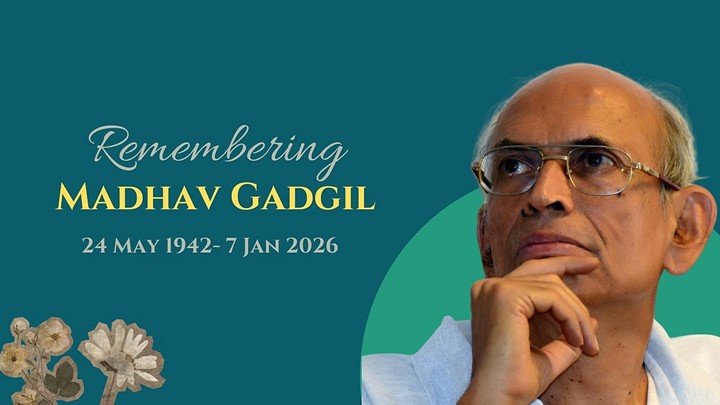
A Life Rooted in Nature, Scholarship, and Social Responsibility Dr. Madhav Dhananjaya Gadgil (24 May 1942 – 7 January 2026) was one
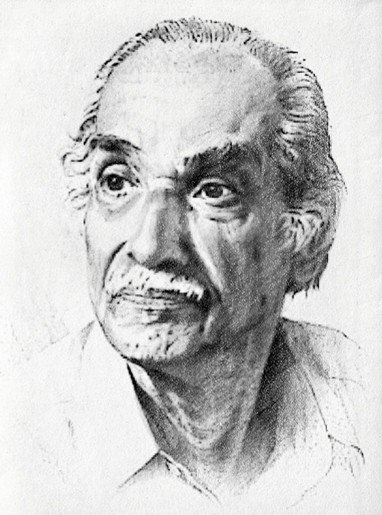
The period immediately following Indian Independence in 1947 demanded an architecture capable of symbolizing national confidence while pragmatically supporting rapid
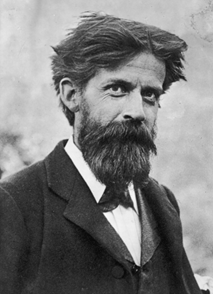
Urban planning today speaks fluently of sustainability, regional thinking, heritage conservation, and community participation. Yet many of these ideas trace
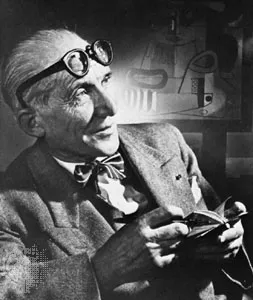
Charles-Édouard Jeanneret (1887–1965), known as Le Corbusier, was born in La Chaux-de-Fonds, Switzerland. He left formal schooling at 13 to
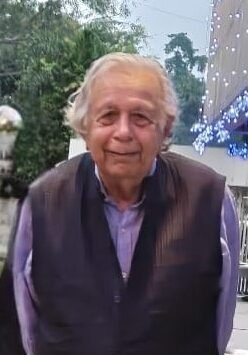
Birthday Feature Every year on November 24, the architectural world pauses to celebrate the birth of a visionary architect—Raj Rewal,
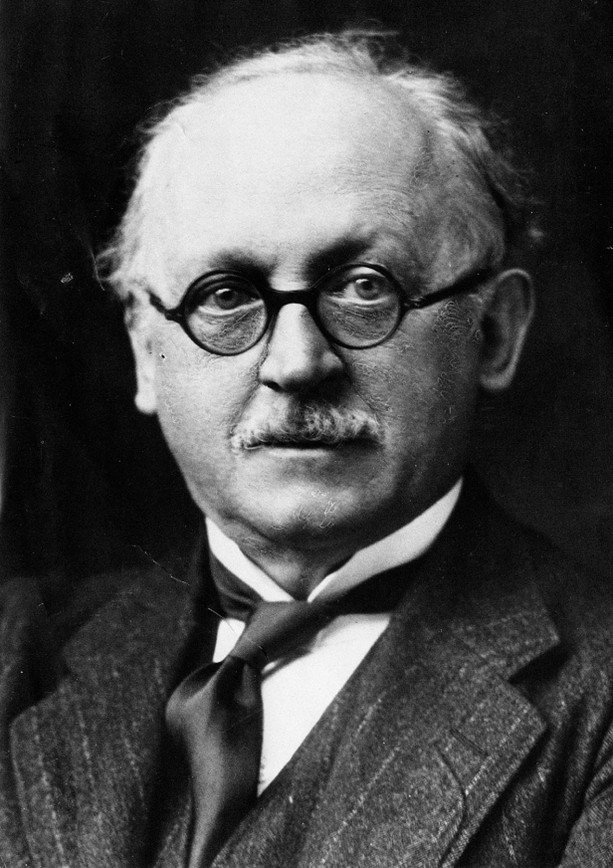
Sir Edwin Lutyens (1869–1944) remains one of the most celebrated architects of the early 20th century, remembered for blending classical
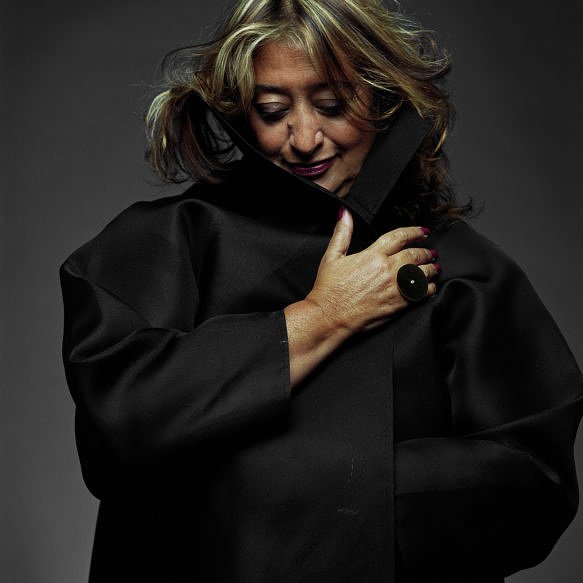
Dame Zaha Mohammad Hadid (31 October 1950 – 31 March 2016) was an Iraqi-born British architect whose work rewrote what

Frank Lloyd Wright (1867–1959) is regarded as one of the greatest architects of the 20th century, whose career spanned more

Ganesh Bhikaji Deolalikar (1895–1978) was one of the first prominent Indian architects of the post-independence era. He was the first