

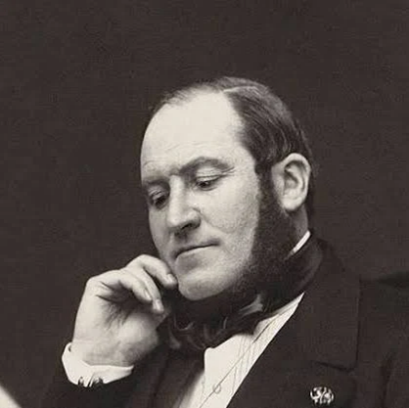
Cities rarely transform overnight. Their streets evolve slowly, buildings accumulate layers of history, and neighborhoods grow organically over centuries. Yet in the nineteenth century, Paris experienced a transformation so dramatic that it appeared as though the city had been surgically cut open and rebuilt. Medieval streets vanished, neighborhoods were demolished, and vast boulevards carved their way across the dense urban fabric. At the center of this transformation stood Baron Georges-Eugène Haussmann, the Prefect of the Seine under Emperor Napoleon III, a man remembered simultaneously as the visionary architect of modern Paris and the controversial “Slasher of Paris.”
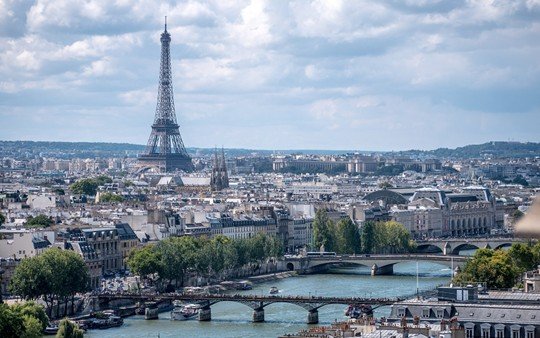
Haussmann’s reconstruction of Paris between 1853 and 1870 remains one of the most influential urban transformations in history. It reshaped the city’s physical structure, revolutionized urban infrastructure, and established planning principles that still influence cities worldwide today. Yet his methods were not without criticism. Scholars and historians have debated for decades whether Haussmann’s legacy represents enlightened modernization or authoritarian urban control. Understanding his work, therefore, requires examining both the brilliance of his vision and the social costs of its execution.
Paris Before Haussmann: A City in Crisis
By the mid-nineteenth century, Paris had become a city struggling under the weight of its medieval structure. Much of its urban fabric consisted of narrow winding streets, overcrowded housing blocks, and inadequate sanitation systems. These conditions created severe public health problems and limited the city’s ability to function as a modern capital.
The cholera epidemic of 1832, which killed thousands of Parisians, revealed the urgent need for improved urban infrastructure. Historian Anthony Sutcliffe (1996) notes that the physical form of Paris had become incompatible with the demands of industrial urban life, particularly in terms of sanitation, traffic circulation, and public health.
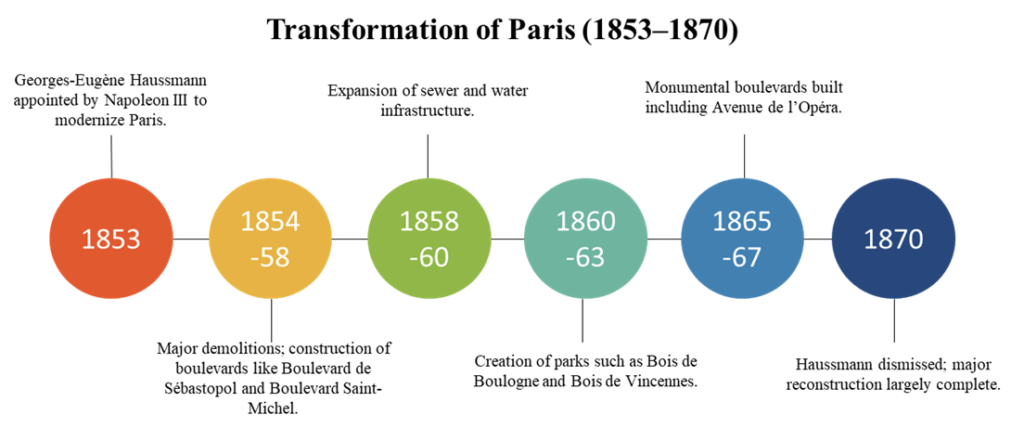
Equally troubling for authorities were the political implications of the city’s spatial structure. The narrow streets of Paris had repeatedly enabled revolutionary uprisings. During the revolutions of 1830 and 1848, protestors constructed barricades in the tight alleys, making it difficult for the military to regain control. When Napoleon III rose to power in 1852, he envisioned transforming Paris into a grand imperial capital that would rival London in both beauty and functionality. To realize this vision, he appointed Baron Haussmann as Prefect of the Seine in 1853, granting him extensive authority to redesign the city.
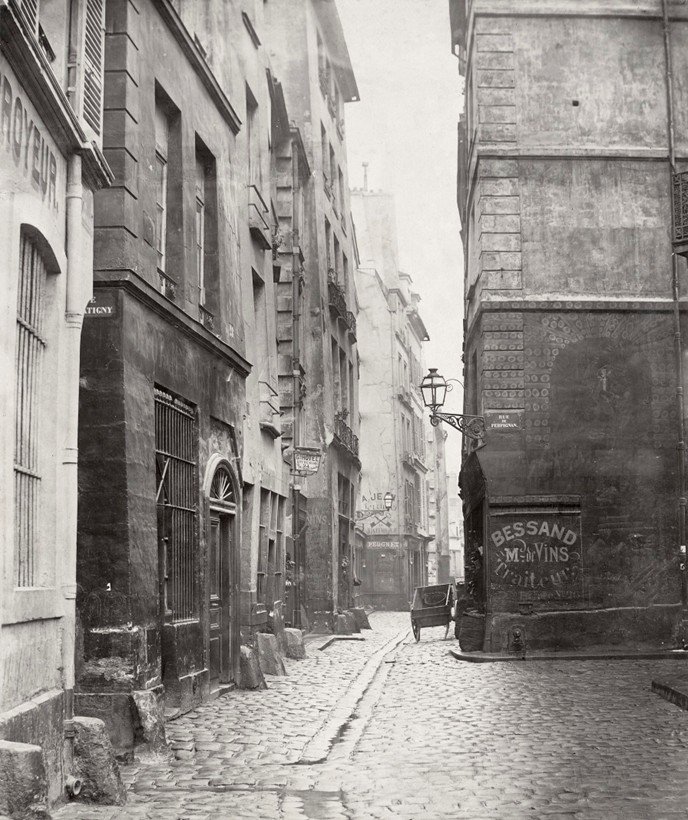
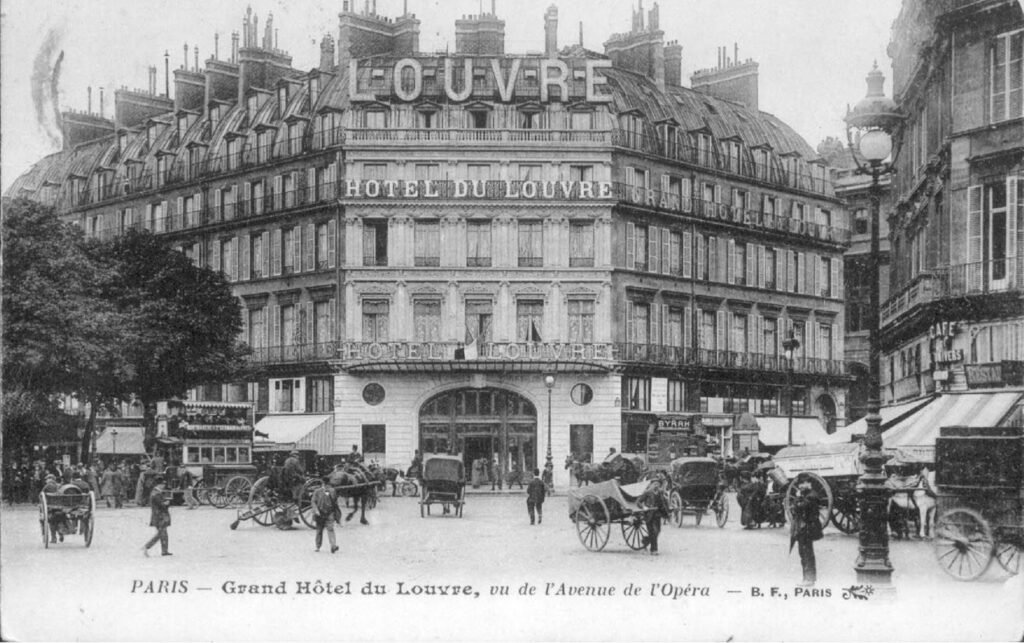
Narrow, congested streets and Hotel Du Louvre (Source: https://www.arkitera.com/)
Also Read: Sir Patrick Geddes: The Thinker Who Reimagined How Cities Grow
The Radical Vision: Cutting Through the Urban Fabric
Haussmann approached the city with a bold and uncompromising strategy. Rather than making incremental improvements, he believed that Paris required a complete structural reorganization. His solution involved large-scale demolition followed by systematic reconstruction.
Under Haussmann’s leadership, vast sections of the old city were cleared to make way for new boulevards, infrastructure systems, and architectural regulations. According to urban historian Leonardo Benevolo (1993), Haussmann’s project marked a turning point in urban history because it introduced the concept of planning the city at a metropolitan scale rather than addressing isolated districts.
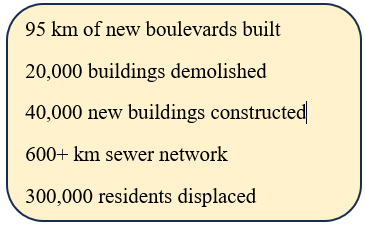
Between 1853 and 1870, Haussmann oversaw the construction of over 60 kilometers of new boulevards, along with new parks, water systems, sewer networks, and standardized residential buildings. The scale and speed of these projects fundamentally transformed Paris’s layout.
The Birth of the Modern Boulevard
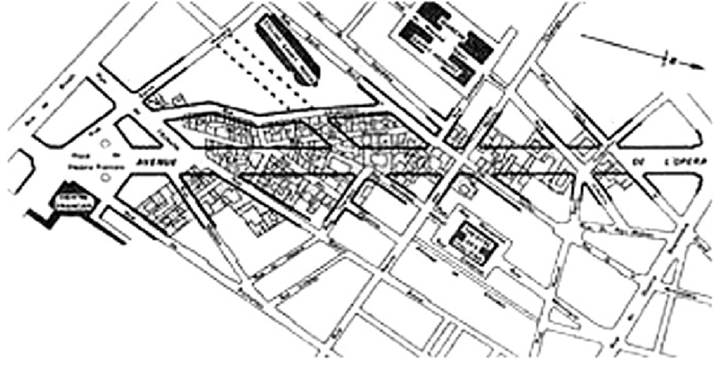
Perhaps the most recognizable element of Haussmann’s transformation was the creation of wide, straight boulevards cutting through the old city. Streets such as Boulevard Haussmann, Avenue de l’Opéra, and Boulevard Saint-Michel became defining features of the new Paris.
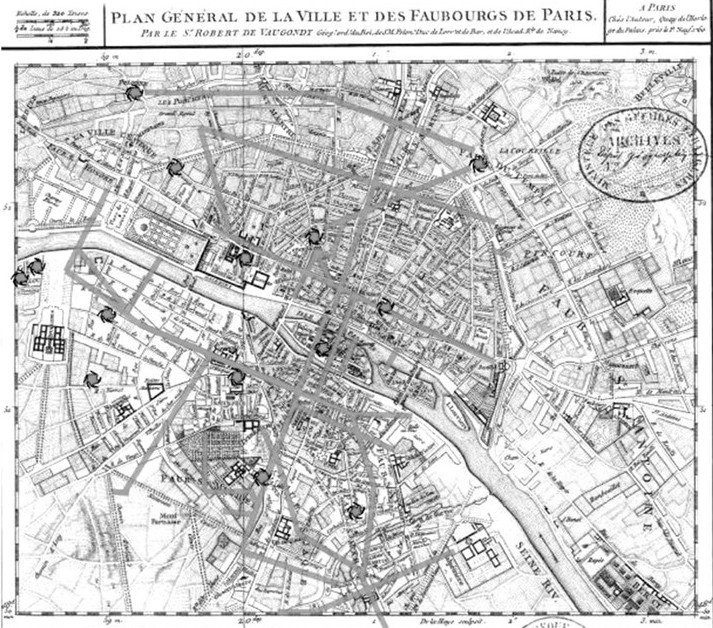
These boulevards served several purposes. They improved traffic circulation, allowing goods and carriages to move efficiently across the city. They also introduced long visual corridors that framed monuments and public buildings, creating a new urban aesthetic based on perspective and monumental scale.
However, these streets also had political implications. Urban geographer David Harvey (2003) argues that the broad boulevards were designed partly to allow rapid troop movement and prevent the construction of revolutionary barricades. The boulevard thus functioned not only as an urban design element but also as a tool of political stability.
The Hidden Infrastructure Revolution
While Haussmann’s boulevards transformed the visible city, some of his most significant contributions were hidden underground. A vast new sewer system was constructed beneath Paris, dramatically improving sanitation and reducing disease outbreaks.
Historian David H. Pinkney (1958) emphasizes that the modernization of water supply and drainage infrastructure was one of the most critical achievements of Haussmann’s reforms. New aqueducts brought fresh water into the city, while advanced drainage systems improved public hygiene.
Gas street lighting was also introduced across the city, making Paris one of the most illuminated cities in Europe. This development contributed to the enduring nickname “The City of Light.”
Parks and Green Infrastructure
Haussmann’s reconstruction also introduced a comprehensive network of urban parks and green spaces. Inspired by London’s parks, Napoleon III believed that green spaces were essential for public health and social well-being.
Major parks developed during this period included Bois de Boulogne, Bois de Vincennes, Parc Monceau, Parc Montsouris, and Parc des Buttes-Chaumont.
According to Sutcliffe (1996), these parks represented one of the earliest systematic attempts to incorporate green infrastructure into the urban planning framework.
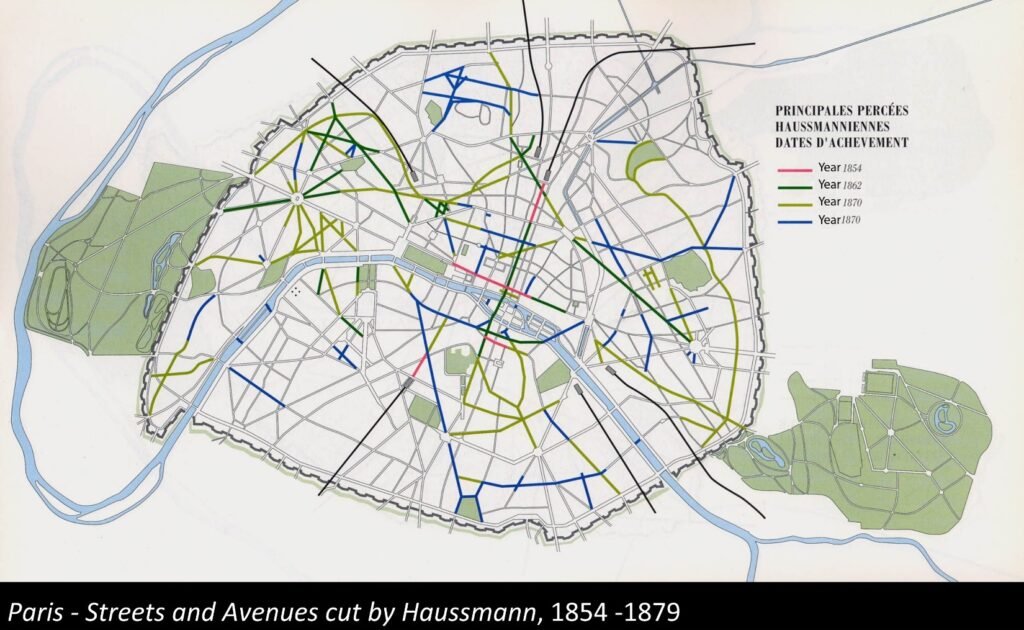
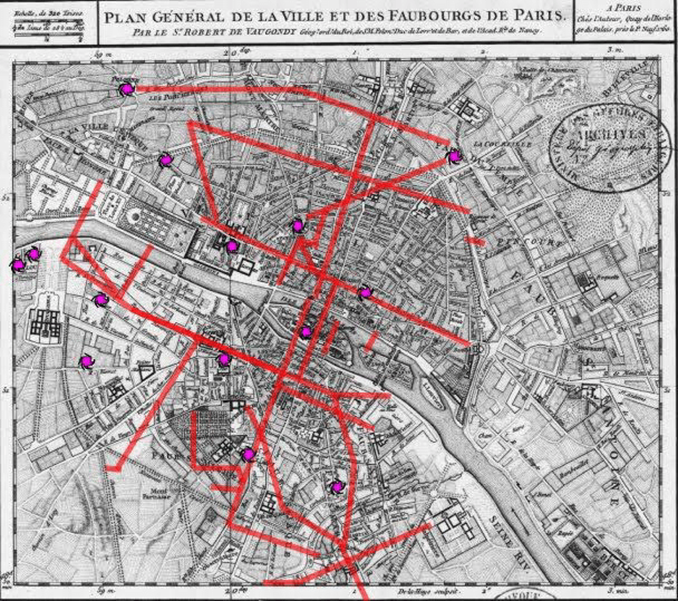
(Source: Dystopolitik. blogspot, 2013)
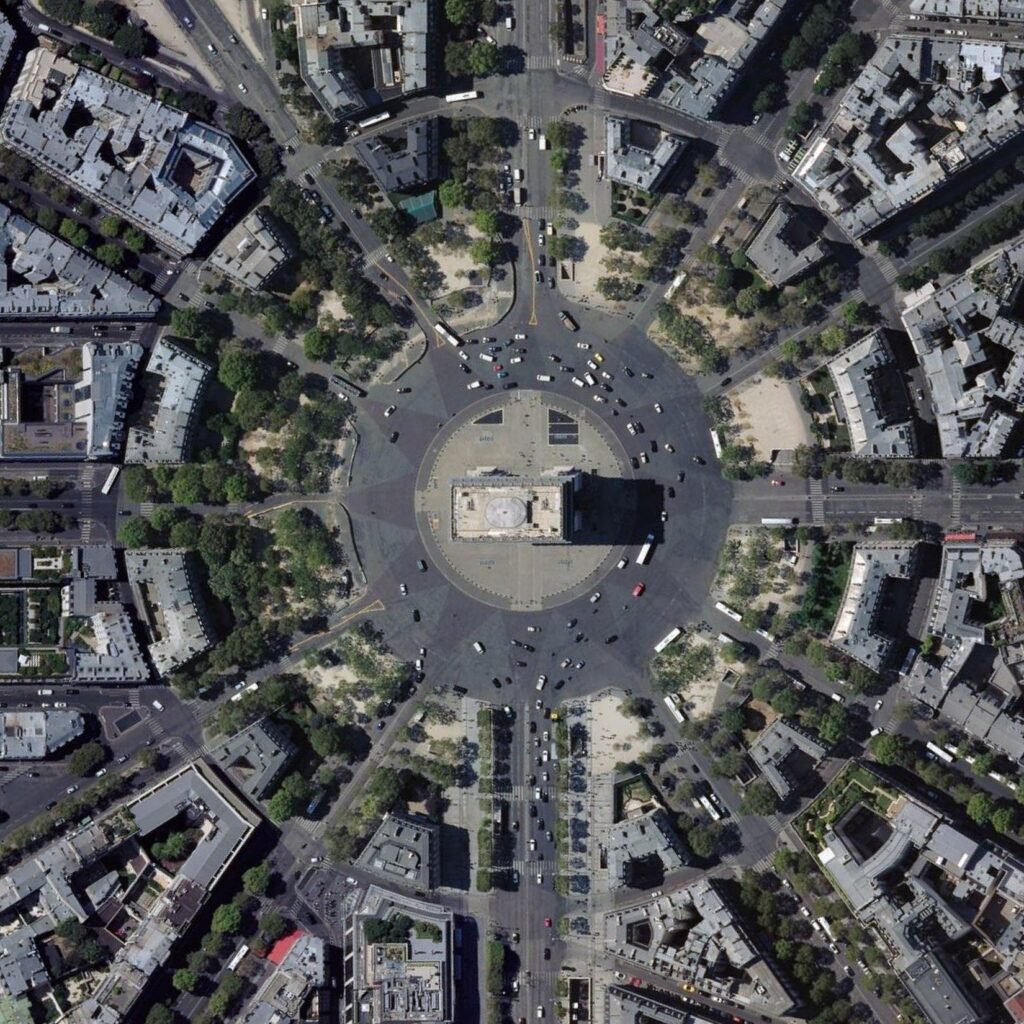
The Critics: Displacement and the Politics of Urban Space
Despite the modernization benefits, Haussmann’s reconstruction faced strong criticism from both contemporaries and later scholars. One of the most significant criticisms concerns the mass displacement of residents. Entire neighborhoods were demolished, forcing thousands of working-class residents to relocate to the outskirts of the city.
Urban historian David P. Jordan (1995) observes that while Haussmann’s projects improved the physical infrastructure of Paris, they also intensified social inequality by pushing poorer populations away from the city center.
Similarly, David Harvey (2003) argues that Haussmann’s urban transformation represented an early example of spatial restructuring that served political and economic interests, particularly those of the ruling elite.
Art historian T. J. Clark (1999) also criticized the transformation for destroying the intimate social character of old Paris and replacing it with monumental spaces designed for surveillance and control.
Financial concerns further fueled opposition. The enormous cost of reconstruction generated significant public debt, eventually contributing to Haussmann’s dismissal in 1870.
Also Read: Kongjian Yu: Reimagining Urbanism Through Ecological Intelligence
Global Influence of Haussmannian Planning
Despite the controversies surrounding his work, Haussmann’s influence on global urban planning has been immense. His model of wide boulevards, monumental axes, integrated infrastructure, and regulated building facades became a template for modern city design.
Cities influenced by Haussmannian principles include Barcelona’s Eixample district, Vienna’s Ringstrasse, and the imperial planning of New Delhi. According to Benevolo (1993), Haussmann’s work established the idea that urban planning should integrate transportation networks, public spaces, infrastructure systems, and architectural regulations within a unified framework (Benevolo, 1993). In this sense, Haussmann did not simply redesign Paris—he helped define the foundations of modern urban planning.
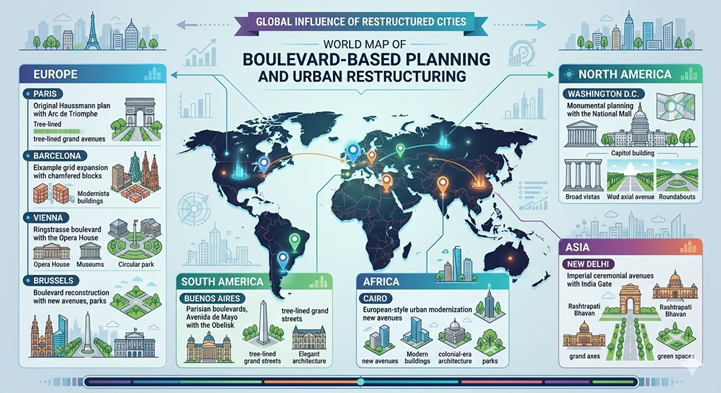
Conclusion: A Legacy that Still Shapes Cities
Baron Haussmann’s reconstruction of Paris remains one of the most ambitious urban planning projects ever undertaken. His boulevards, parks, and infrastructure networks transformed Paris into a modern metropolis and established planning principles that continue to influence cities around the world.
Yet his legacy remains deeply complex. Haussmann’s work improved public health, mobility, and urban aesthetics, but it also displaced communities and erased large parts of the historic city.
For planners and urban scholars today, Haussmann’s story raises a crucial question that remains unresolved even in the twenty-first century:
Can cities pursue bold transformation without sacrificing the social and historical fabric that gives them life?
As modern cities continue to grapple with redevelopment, gentrification, and infrastructure expansion, the lessons of Haussmann’s Paris remain as relevant today as they were more than a century ago.
References
- Benevolo, L. (1993). The European city. Oxford, UK: Blackwell.
- Clark, T. J. (1999). The painting of modern life: Paris in the art of Manet and his followers. Princeton, NJ: Princeton University Press.
- Harvey, D. (2003). Paris, capital of modernity. New York, NY: Routledge.
- Jordan, D. P. (1995). Transforming Paris: The life and labors of Baron Haussmann. Chicago, IL: University of Chicago Press.
- Pinkney, D. H. (1958). Napoleon III and the rebuilding of Paris. Princeton, NJ: Princeton University Press.
- Sutcliffe, A. (1996). Paris: An architectural history. New Haven, CT: Yale University Press.