
Pune: India’s Metro rail network has expanded significantly over the past decade, increasing from 248 km across five cities in 2014 to nearly 1,200 km across 26 cities in 2026. Prime Minister Narendra Modi highlighted this growth on November 5, 2026, emphasising the role of Metro connectivity in transforming urban mobility and improving the quality of life in Indian cities.
According to the Prime Minister, more than one crore passengers travel by Metro every day across the country. The expansion of the network is contributing to reduced travel time, improved connectivity and greater accessibility for urban commuters. He noted that better public transport allows people to spend less time in traffic and more time with their families, while also supporting productivity and creating better opportunities.
In a post on social media platform X, the Prime Minister pointed out that if India’s Metro network had continued expanding at the pace witnessed before 2014, cities such as Pune might have had to wait years, or even decades, for Metro connectivity. He described the expansion as an important transformation in the country’s urban development journey.
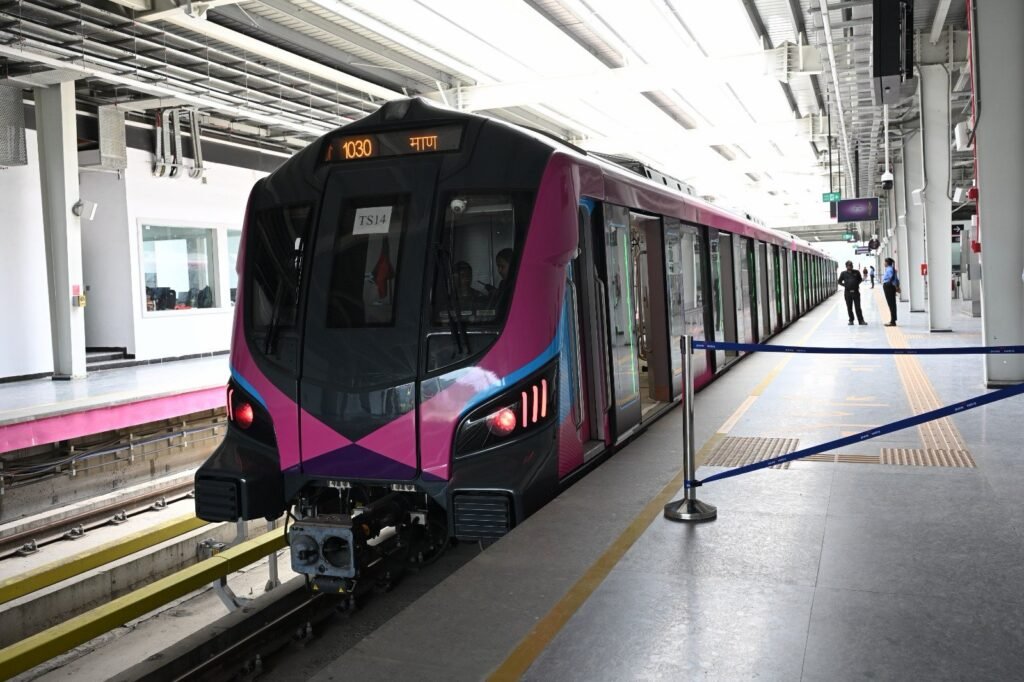
The Prime Minister also highlighted the upcoming inauguration of Pune Metro’s new Pink Line, which represents another significant development in urban infrastructure. The 23-km corridor will connect Hinjewadi’s IT hub with Shivajinagar. The project has been highlighted for its operational model involving women and its planned use of solar energy to meet almost one-third of its electricity requirements.
The Pink Line project, involving an investment of approximately ₹8,300 crore, is expected to strengthen connectivity between Pune’s major employment hub and other important parts of the city.
The expansion of Metro networks reflects the growing emphasis on mass rapid transit systems as an essential component of India’s urban infrastructure. As cities continue to experience population growth, increasing traffic congestion and rising mobility demands, efficient public transport systems are becoming increasingly important for sustainable urban development.
The growth from 248 km to nearly 1,200 km demonstrates the changing scale of Metro infrastructure in India, with public transport playing an increasingly significant role in shaping the future of urban mobility.
Also Read: DMRC Wins Award for Innovation and Smart Mobility Solutions
Join our WhatsApp Channel for fastest updates: Join now