

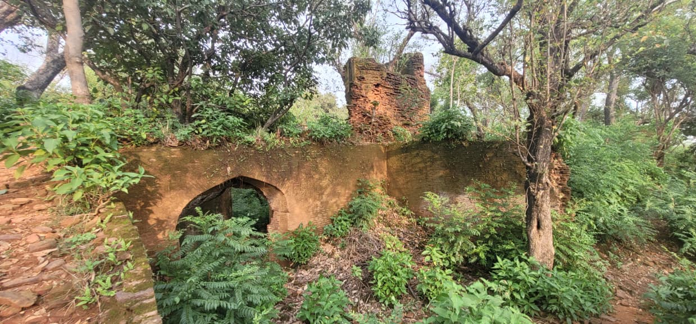
Along the Ujh River in Jammu and Kashmir’s Kathua district, the remains of Jasrota Fort offer a glimpse into a historic landscape shaped by political power, religious traditions and regional artistic expression. Today, weathered masonry, ruined structures and surviving temples stand amid dense vegetation, making Jasrota an important site for understanding the architectural heritage of the Jammu hills.
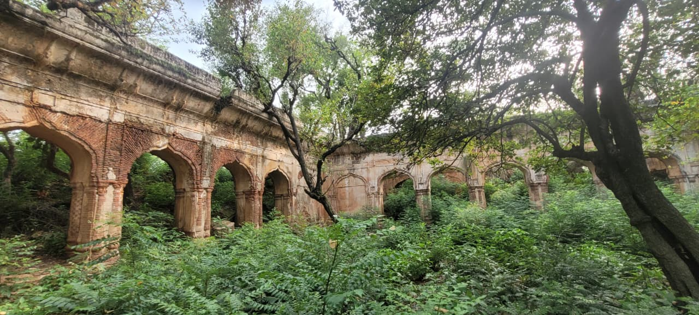
According to the District Kathua administration, Jasrota was founded by Raj Jas Dev of Jammu in 1019 AD. It subsequently developed into an important political territory and, during the reign of Maharaja Ranbir Singh, comprised two tehsils and 13 parganas. The settlement’s historical importance extended beyond the fort itself, encompassing religious structures and a wider cultural landscape.
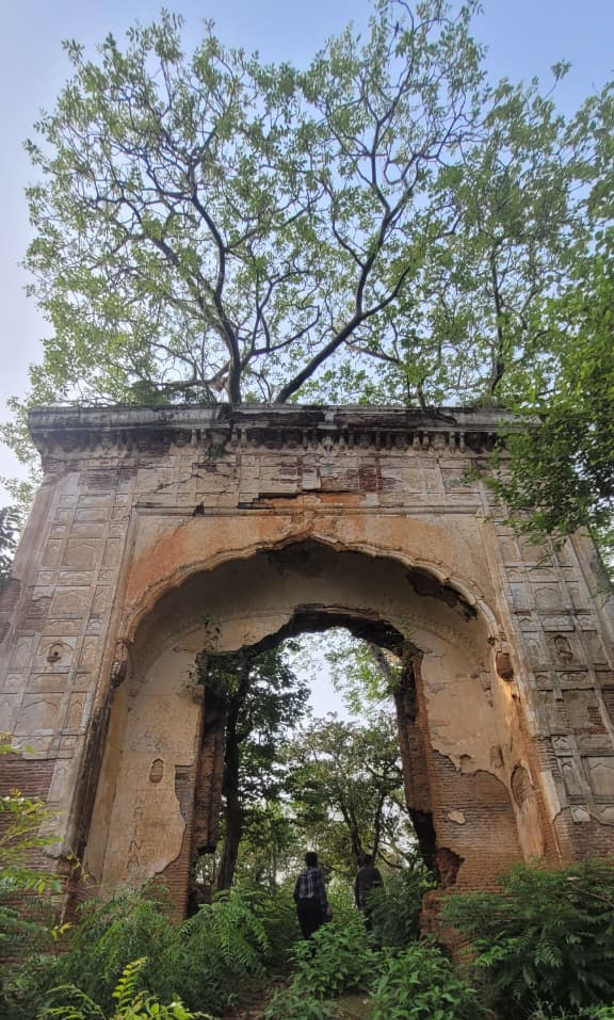
Architecture Shaped by the Himalayan Frontier
The forts of the Jammu hills reflect the region’s distinctive historical and geographical conditions. The National Mission on Monuments and Antiquities describes the area’s fortified settlements as an architectural tradition influenced by Rajput building practices and the northern frontier of the Indian subcontinent. These strongholds served not only defensive purposes but also functioned as centres of political authority and religious life.
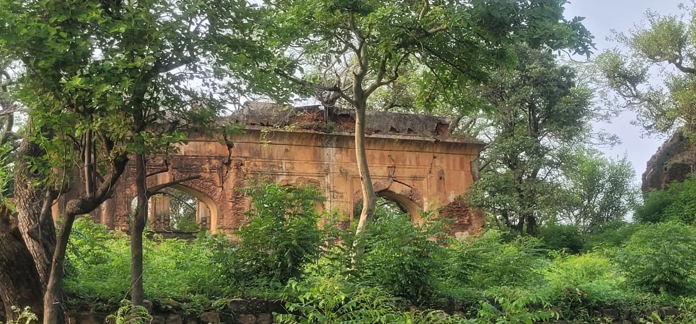
Jasrota’s surviving remains invite closer examination of this relationship between architecture and settlement. Its ruined walls, gateways and other masonry structures indicate the extent of a once-developed complex, although the surviving fabric alone cannot establish the original appearance or complete layout of the fort.
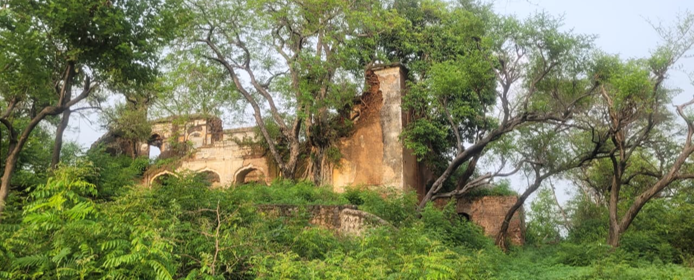
The architectural value of the site therefore lies partly in what remains visible and partly in the historical evidence that can be recovered through measured surveys, archival research and archaeological investigation. Rather than treating the ruins as isolated fragments, conservation planning should examine their relationship with the former settlement, its temples and the surrounding terrain.
Surviving Temples and Pahari Art
One of Jasrota’s most significant features is the survival of historic temple structures within the fort premises. A University of Jammu report published on 12 March 2025 documented two temples and drew attention to partially visible miniature paintings on their walls. The reported imagery includes episodes from the Ramayana and Mahabharata, as well as depictions of Shiva and Parvati. The university associated the paintings with the Basohli and Kangra schools of art.
These paintings give the site significance beyond its surviving masonry. They provide evidence of the artistic and devotional traditions associated with the historic settlement and connect Jasrota with the wider development of Pahari painting in the Himalayan region.
Basohli painting is known for its distinctive visual language, including strong colours and expressive facial features. The District Kathua administration records the spread of this tradition from Basohli to several hill states, including Jasrota.
The remaining wall paintings are especially valuable because they survive in their original architectural setting. Their relationship with the temple interiors, wall surfaces and decorative elements can help researchers understand how art and architecture worked together in historic religious spaces.
Also Read: Meenakshi Amman Temple: Sacred Geometry and Ancient Engineering Mastery
A Heritage Site Under Threat
The survival of Jasrota’s artistic heritage is uncertain. The University of Jammu’s 2025 report raised concerns about vandalism, defacement and whitewashing affecting the historic structures and miniature paintings. Some painted scenes reportedly remain identifiable, but the damage illustrates the vulnerability of heritage that has not received adequate care.
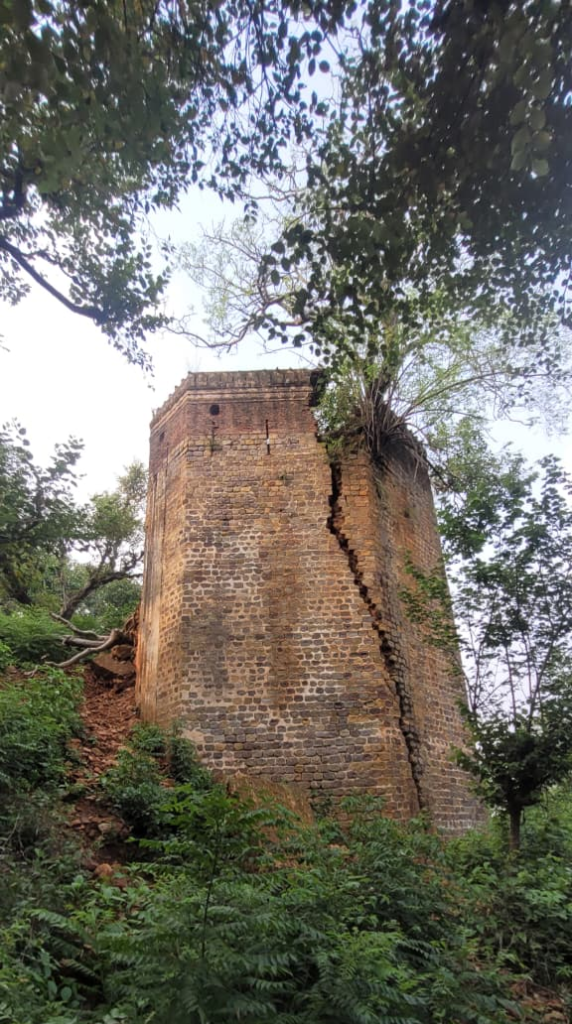
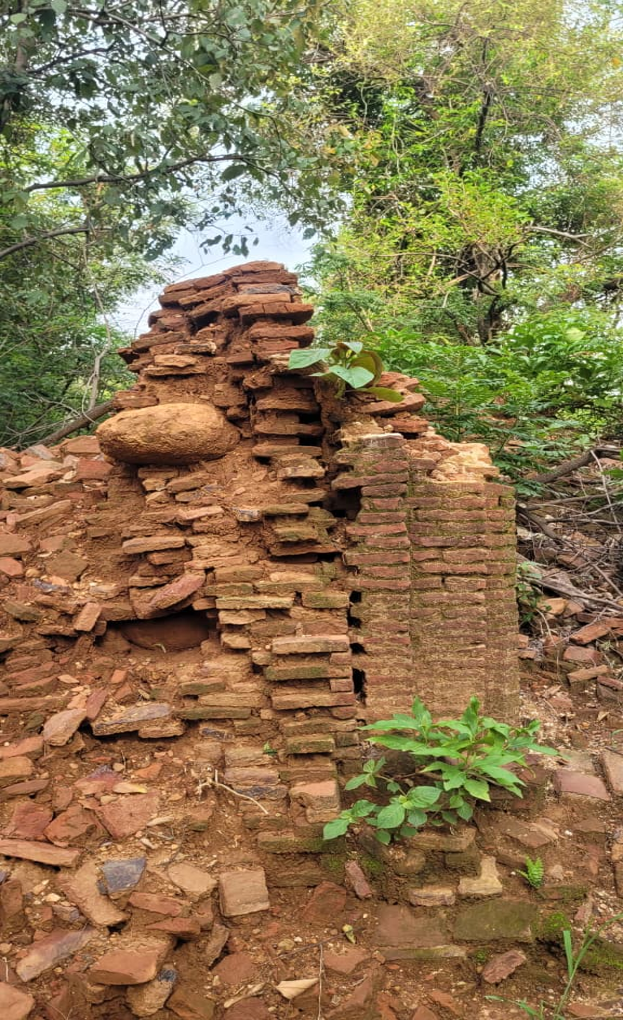
Conservation at Jasrota requires more than repairing visibly damaged walls. Historic masonry, plaster, painted surfaces and architectural details each need appropriate assessment and treatment. In particular, surviving paintings should be documented by conservation specialists before any cleaning, repainting or restoration work is undertaken.
Unverified reconstruction or the use of unsuitable materials could obscure original evidence. A conservation programme should therefore prioritise documentation, structural assessment, protection from further damage and carefully planned interventions based on the condition of each structure.
Architecture Within a Living Ecological Landscape
Jasrota’s setting adds another dimension to its heritage. The historic fort stands in a landscape associated with the Jasrota Wildlife Sanctuary, which covers 10.04 square kilometres along the Ujh River. The sanctuary supports a range of wildlife and forms part of the region’s protected natural environment.
This proximity creates an opportunity to interpret the site through both cultural and ecological perspectives. The terrain, vegetation and river landscape form part of the setting in which the historic settlement developed. At the same time, conservation and visitor-management measures must account for the sanctuary’s ecological requirements.
A coordinated approach could connect architectural documentation, interpretation of the temple paintings, local history and environmental awareness without compromising the ruins or wildlife habitat.
Reimagining Conservation Through Documentation
The first step towards safeguarding Jasrota should be a comprehensive heritage inventory. Architectural surveys, measured drawings, photographic records, archival research and condition mapping could establish what survives and identify areas requiring urgent attention. Digital documentation could also help researchers record fragile features before further deterioration occurs.
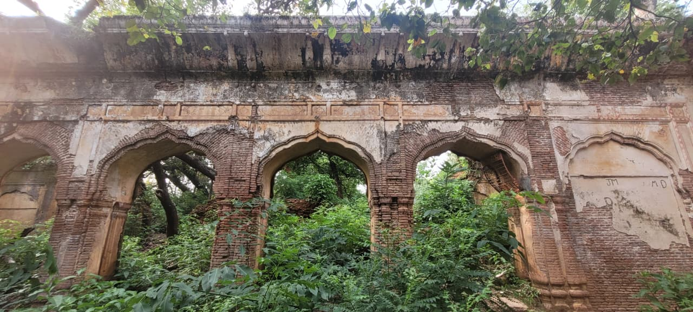
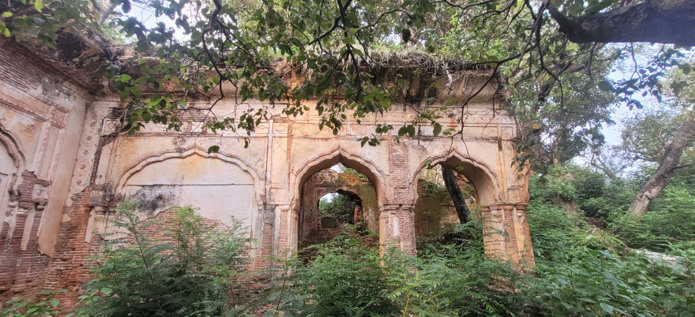
Any future visitor infrastructure should be planned sensitively, with clear interpretation and controlled access to vulnerable structures. Local communities, historians, architects, archaeologists, conservation professionals and wildlife authorities could contribute to a shared management framework.
Jasrota’s significance does not depend on reconstructing the fort to resemble an imagined original. Its remaining walls, temples and paintings already offer valuable evidence of the region’s architectural and cultural history. Their preservation depends on understanding that evidence and protecting it with care.
For Marvels of Architecture, Jasrota is a reminder that architectural heritage is not limited to monumental buildings in pristine condition. Sometimes, the most revealing sites are those where fragments of built form, surviving art and the natural landscape together tell a story that is still being uncovered.
Sources & References
- All Image Credit: Shivani Garg
- District Kathua, Government of Jammu & Kashmir. Kathua – Fort of Jasrota & Jasrota Temple. Official District Kathua website.
- District Kathua, Government of Jammu & Kashmir. Hiranagar. Official District Kathua website. Information on Raja Hira Singh and the Jasrota jagir, 1834–44 AD.
- University of Jammu. UIET, Kathua Campus organises Educational trip to Jasrota Fort and Wildlife Sanctuary, 12 March 2025. Documentation of the surviving temples, wall paintings, vandalism, whitewashing and conservation concerns.
- District Kathua, Government of Jammu & Kashmir. Forest and Wildlife. Official information on Jasrota Wildlife Sanctuary, its 10.04-sq-km area, Ujh River setting, wildlife and rainfall.
- Department of Wildlife Protection, Jammu & Kashmir. Wildlife Protected Area Network Atlas of J&K (UT). Jasrota Wildlife Sanctuary profile: notification, area, perimeter, altitude, flora and fauna.
- District Kathua, Government of Jammu & Kashmir. ODOP – Basohli Paintings & Pashmina. Information on the historical spread of the Basohli painting tradition to Jasrota and other Punjab Hill states.
- District Kathua, Government of Jammu & Kashmir. A Brief Note on Basohli Paintings. Historical information on the Basohli school and its development during the 17th and early 18th centuries.
- National Mission on Monuments and Antiquities (NMMA), Government of India. Built Heritage Database – Jasrota/Hira Singh-related heritage records. Information on the cultural landscape and historic fort traditions of Jammu.
- Census of India. Jammu and Kashmir, Village Tables and Housing Statistics, 1941. Historical reference to the ruins of the palaces of the Jasrota rulers among places of archaeological and local interest.
- Hutchison, J. & Vogel, J. Ph. History of the Panjab Hill States, historical account of the political history of Jasrota and its transition under Sikh and Dogra rule.
Join our WhatsApp Channel for fastest updates: Join now