

The Ministry of Tourism has outlined a comprehensive approach to sustainable development of pilgrimage and heritage destinations under the National Mission on Pilgrimage Rejuvenation and Spiritual, Heritage Augmentation Drive (PRASHAD). The scheme aims to strengthen tourism infrastructure while preserving the spiritual, cultural, and heritage essence of identified sites across India.
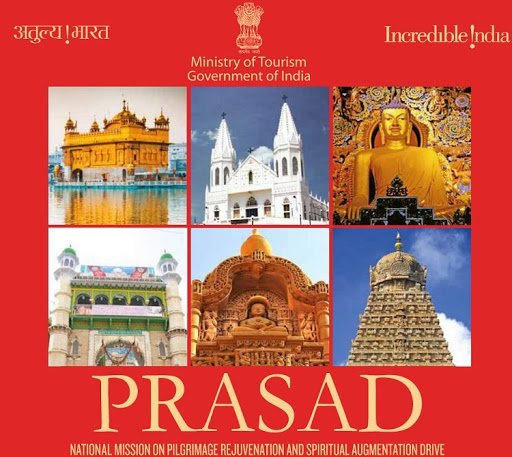
Under PRASHAD, the Ministry provides financial assistance to State Governments and Union Territory Administrations for developing tourism-related infrastructure at major pilgrimage and heritage destinations. The focus is on creating well-planned, accessible, safe, and clean environments that enhance visitor experience while maintaining the intrinsic character of pilgrimage and heritage cities. The scheme also seeks to generate local employment opportunities through inclusive and sustainable development practices.
As per the scheme guidelines, States and UTs are required to prepare comprehensive Detailed Project Reports (DPRs) for proposed projects. These DPRs are developed in consultation with local administrations, urban local bodies, shrine authorities, religious trusts, NGOs, and other relevant stakeholders. Such consultations are intended to ensure that infrastructure upgrades do not compromise the spiritual integrity and authenticity of the sites.
In addition to physical infrastructure, the Ministry of Tourism supports capacity building of tourism and hospitality service providers through the Capacity Building for Service Providers (CBSP) scheme. This initiative offers training, education, and certification to service providers at PRASHAD-covered destinations to improve service quality and overall tourist experience.
Sustainability is a key component of the programme. State Governments and UT Administrations are required to include operation and maintenance plans as part of their project proposals. The responsibility for long-term upkeep and sustainability of completed projects rests with the respective State or UT administration.
The information was shared by Union Minister for Tourism and Culture, Shri Gajendra Singh Shekhawat, in a written reply in the Rajya Sabha, highlighting the government’s commitment to integrating heritage conservation with sustainable urban and tourism development.
Also Read: Lucknow Joins the Global Table: Crowned UNESCO Creative City of Gastronomy