

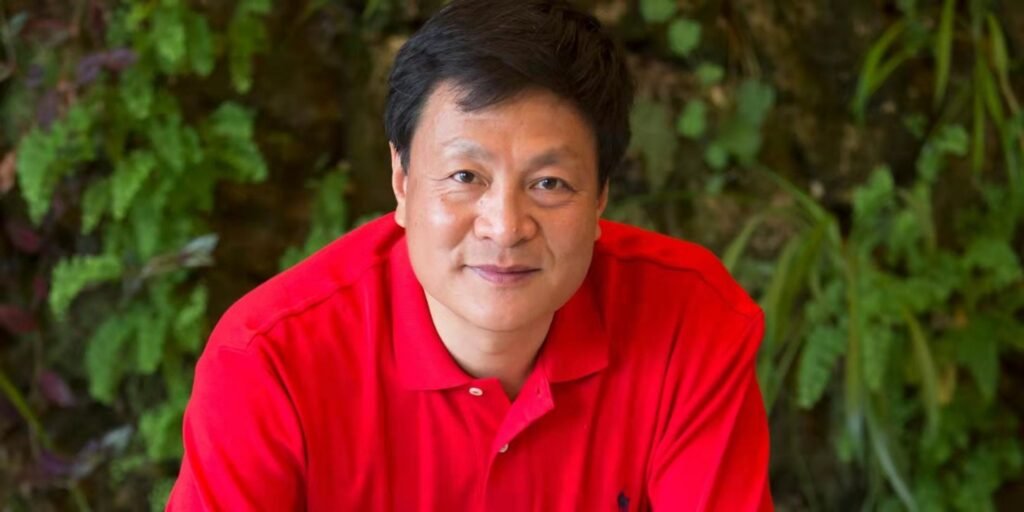
In the twenty-first century, cities across the world are facing intertwined challenges of climate change, frequent urban flooding, water scarcity, ecological degradation, and the consequences of rapid, unplanned urbanization. Conventional urban planning approaches—largely dependent on concrete, rigid engineering solutions—are increasingly unable to cope with these complex and dynamic problems. Against this backdrop, Kongjian Yu has emerged as one of the most influential visionaries of contemporary urbanism. His work fundamentally redefines how cities interact with nature, proposing that landscapes should function as essential urban infrastructure rather than as ornamental green spaces.
Born in 1963 in rural China, Kongjian Yu’s early life was deeply shaped by agricultural landscapes, seasonal rivers, monsoon floods, and traditional farming systems. These experiences exposed him to a way of living where humans adapted to natural cycles rather than attempting to control them. Flooding, for instance, was not viewed as a disaster but as a predictable and manageable event that replenished soil fertility and sustained ecosystems. This early exposure to ecological living became the foundation of Yu’s later critique of modern urbanization, which he believes has lost its connection to natural processes.
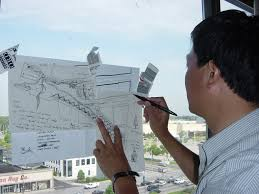
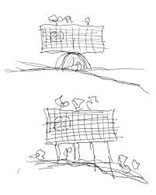

Conceptual Sketches | (Image Source:https://www.archpaper.com/)
Academic Formation and Intellectual Grounding
Kongjian Yu’s academic journey reflects a fusion of traditional ecological knowledge and modern design thinking. After formal training in landscape architecture in China, he pursued advanced studies in urbanism and landscape theory abroad. This exposure allowed him to critically examine Western models of urban development, particularly their heavy reliance on engineered infrastructure and standardized planning solutions. Yu observed that many modern cities were designed to resist nature—channeling rivers, sealing soil surfaces, and eliminating wetlands—thereby increasing vulnerability to floods and environmental disasters.
His academic work emphasizes the idea that cities are not separate from nature but are embedded within larger ecological systems. He argues that ignoring these systems leads to long-term environmental and social costs. This intellectual grounding later informed both his professional practice and his role as an educator, through which he has influenced generations of planners, architects, and landscape designers.
Also Read: Sir Patrick Geddes: The Thinker Who Reimagined How Cities Grow
The Sponge City Concept: Living with Water
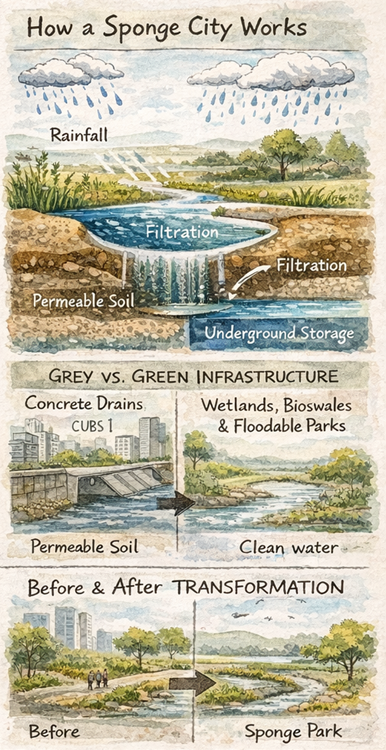
Kongjian Yu is globally recognized for conceptualizing and advocating the Sponge City approach, a model that has become central to discussions on climate-resilient urban development. The core idea of a sponge city is simple yet transformative: cities should be designed to absorb, store, filter, and reuse rainwater, much like a natural sponge. Instead of rapidly draining water away through pipes and channels, sponge cities slow down water flow and give it space within the urban fabric. In this model, parks, wetlands, urban open spaces, riverbanks, and even low-lying streets are designed to temporarily hold excess rainwater during storms. These spaces safely flood when necessary and gradually release water back into the environment through infiltration and evaporation. This approach reduces flood risk, recharges groundwater, improves water quality, and enhances urban microclimates. Importantly, Yu emphasizes that flooding in such spaces should not be seen as a failure but as a sign that the system is functioning as intended.
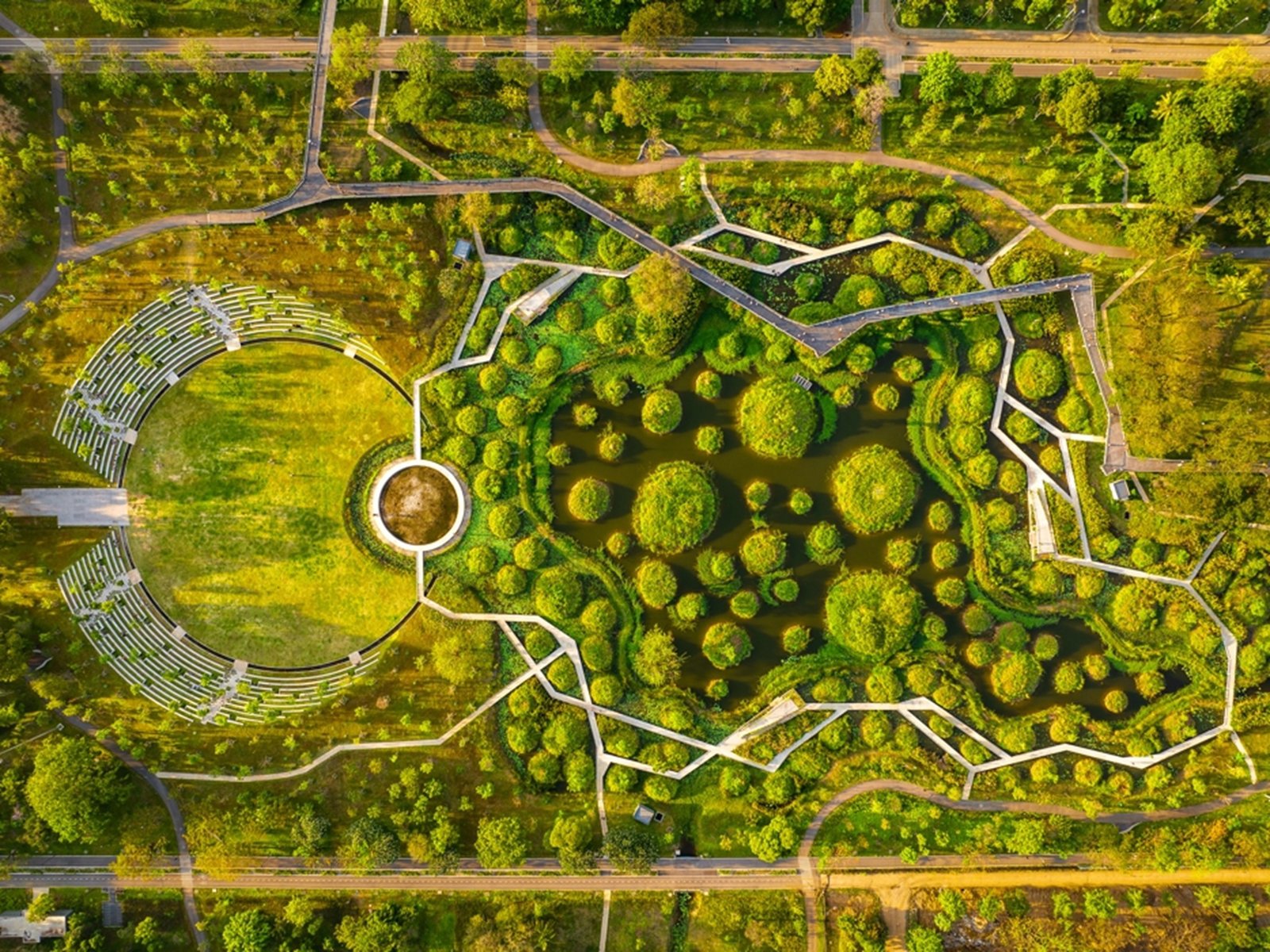
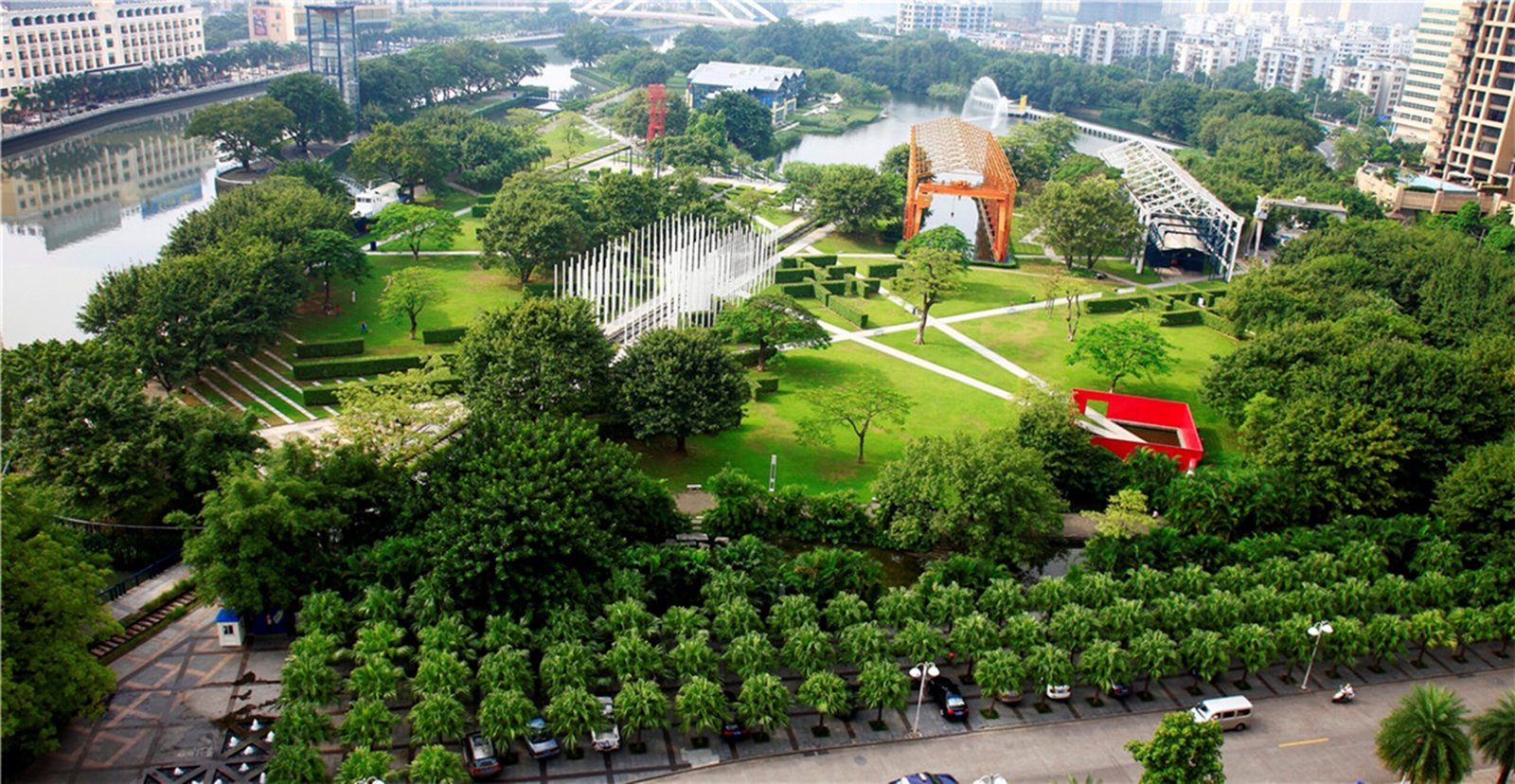
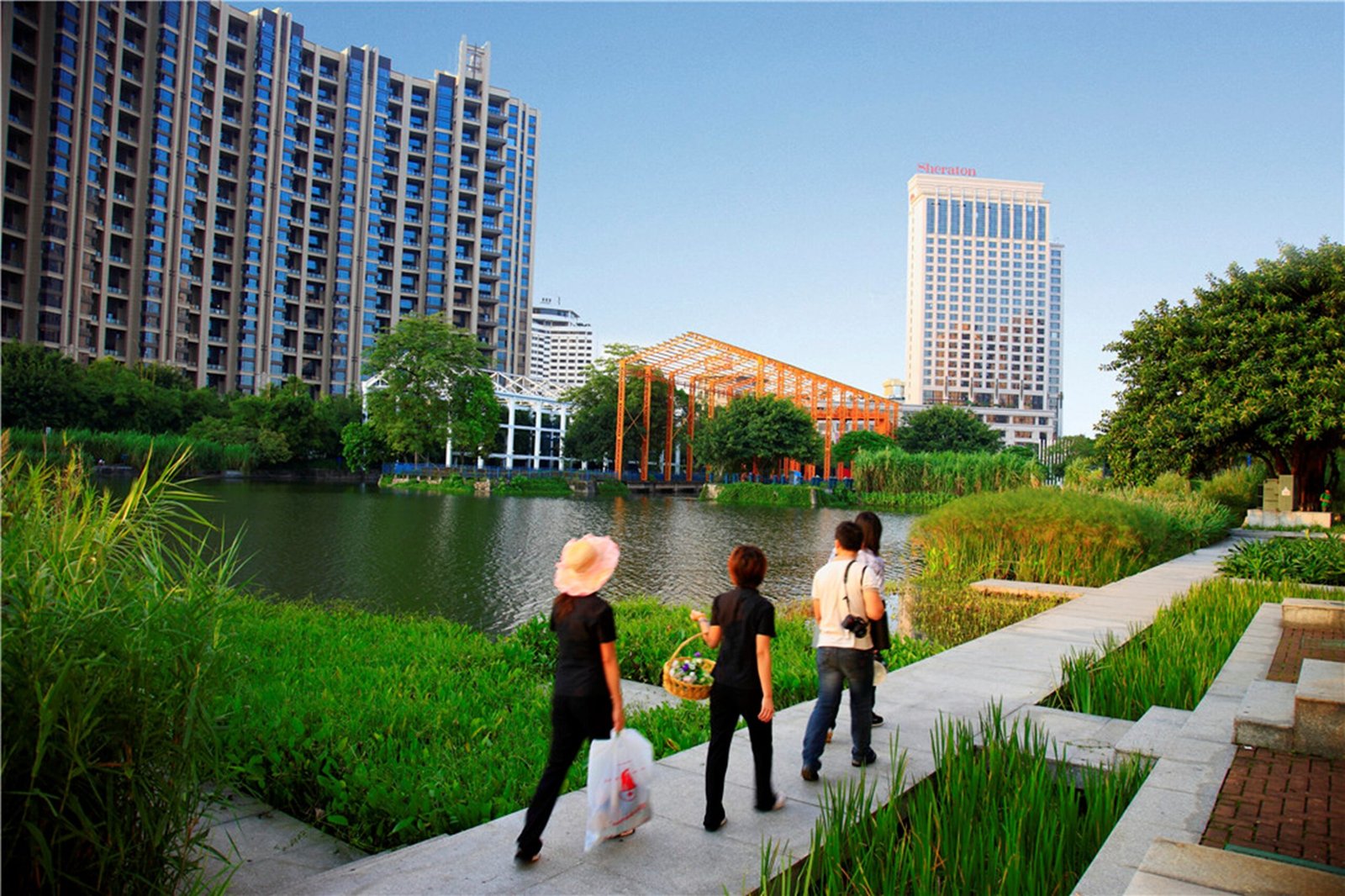
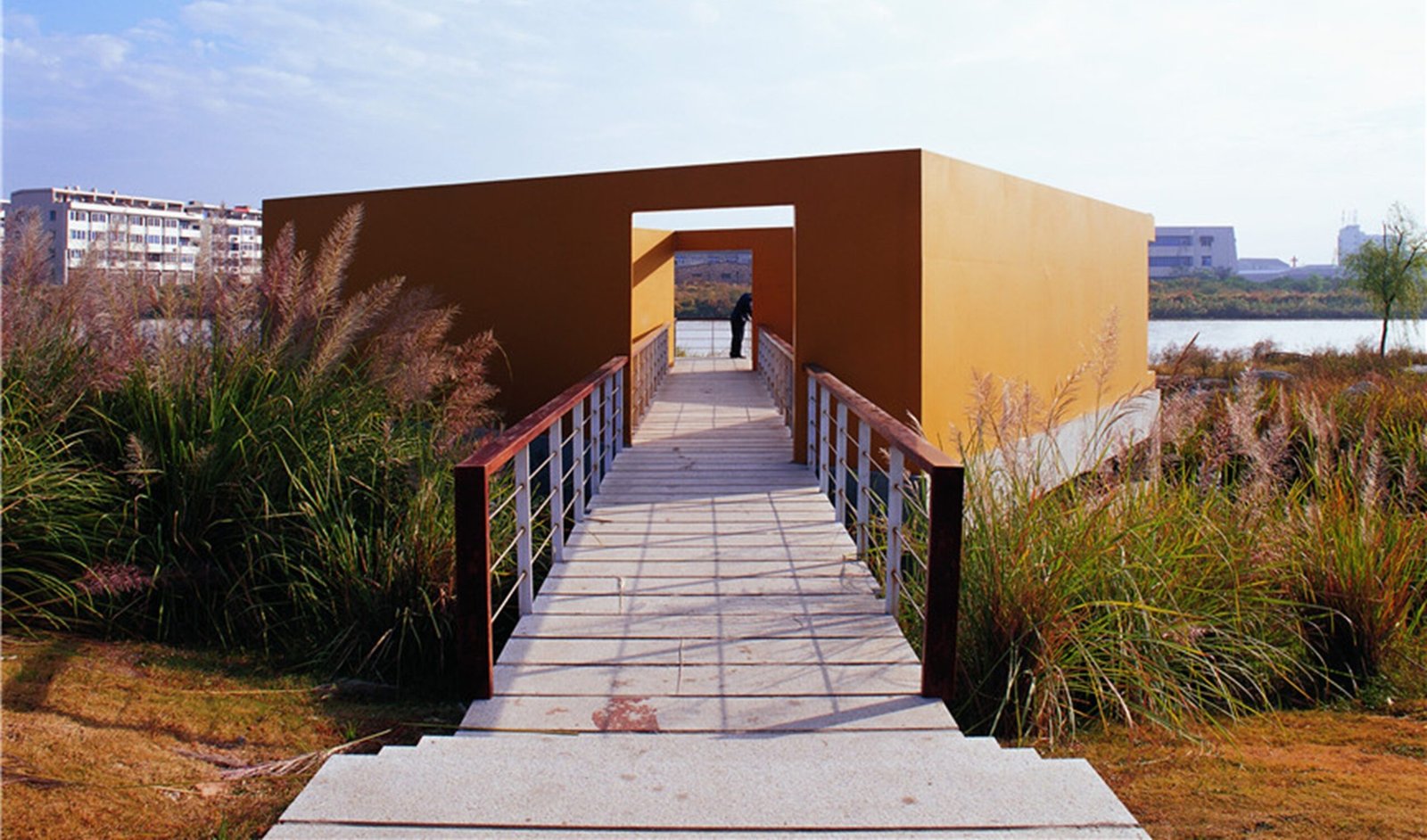
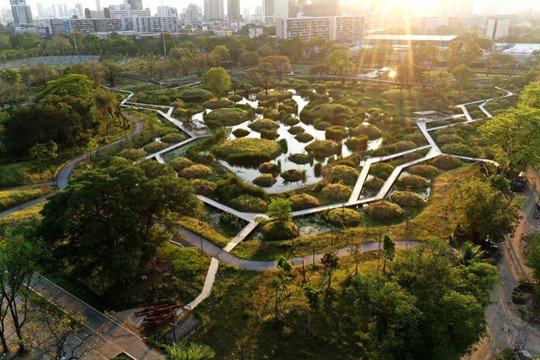
Photos of Zhongshan Shipyard Park, Taizhou Yongning River Park, Benjakitti Forest Park. | (Image Source: Kongjian Yu, Turenscape)
Nature-Based Infrastructure Over Grey Infrastructure
A central theme in Kongjian Yu’s work is his critique of what he calls “grey infrastructure”—concrete drains, floodwalls, embankments, and underground pipes that dominate modern cities. While these systems may offer short-term solutions, Yu argues that they are expensive, inflexible, environmentally damaging, and often shift problems downstream rather than solving them. By accelerating water flow and cutting cities off from natural hydrological cycles, grey infrastructure increases flood intensity and ecological degradation.
In contrast, Yu advocates for nature-based infrastructure that works with ecological processes. Wetlands filter pollutants naturally, floodplains store excess water, vegetation reduces runoff, and permeable soils allow infiltration. These systems are adaptive, self-sustaining, and capable of evolving. Moreover, they provide multiple benefits simultaneously—flood control, biodiversity enhancement, recreation, and improved public health—making them more efficient and resilient than single-purpose engineering solutions.
Landscape as a Multi-Functional Urban System
Kongjian Yu’s design philosophy treats landscape as a multi-layered system where ecological, social, and infrastructural functions overlap. His landscapes are often intentionally raw and dynamic, resisting manicured aesthetics in favor of ecological performance. Native vegetation is preferred for its resilience, low maintenance requirements, and compatibility with local ecosystems. Seasonal changes, including flooding and vegetation cycles, are embraced rather than suppressed.
These landscapes function as public spaces where people can interact with nature while simultaneously performing critical infrastructural roles. Urban parks double as flood basins, river edges become ecological corridors, and former wastelands transform into productive green systems. Through this approach, Yu demonstrates that cities do not need separate zones for infrastructure, ecology, and recreation; instead, they can be integrated into unified, high-performing landscapes.
Built Projects as Proof of Concept
Unlike many theorists, Kongjian Yu grounds his ideas firmly in built work. Across numerous projects, degraded industrial sites, polluted riverbanks, and flood-prone lands have been transformed into functioning ecological infrastructures. These projects show that ecological restoration is not a luxury but a practical and economically viable strategy for urban development.
In flood-prone areas, Yu’s parks are designed to submerge safely during heavy rains and re-emerge as usable public spaces once water levels recede. In polluted landscapes, constructed wetlands cleanse water through natural filtration processes. These projects serve as living laboratories, demonstrating how cities can adapt to climate uncertainty rather than attempting to eliminate it.
Critique of Modern Urbanization
Kongjian Yu is a strong critic of contemporary urban development models that prioritize speed, control, and visual order over ecological health. He argues that modern cities suffer from “ecological amnesia,” having forgotten how landscapes historically functioned as life-support systems. Rivers have been straightened and encased in concrete, wetlands filled, and natural drainage patterns erased, all in the name of efficiency and aesthetics.
Yu contends that such approaches not only damage ecosystems but also increase disaster risk and social inequality. Floods disproportionately affect vulnerable communities living in low-lying or poorly planned areas. By restoring natural systems and designing cities to accommodate water and change, Yu believes urban environments can become safer, more equitable, and more resilient.
Policy Impact and Global Relevance
Kongjian Yu’s influence extends beyond design practice into urban policy and governance. His advocacy played a significant role in shaping large-scale adoption of sponge city principles in China, marking a rare instance where landscape-based thinking influenced national urban development strategies. This shift demonstrated that ecological urbanism could operate at metropolitan and regional scales, not just in isolated projects.
Globally, Yu’s ideas resonate with growing interest in climate adaptation, nature-based solutions, and sustainable development. As cities worldwide confront extreme rainfall, rising temperatures, and water crises, his work offers a replicable and context-sensitive framework for urban resilience.
Also Read: Achyut P. Kanvinde: Rational Modernism and Institutional Architecture in Post-Independence India
Kongjian Yu as a Visionary of Urbanism
What distinguishes Kongjian Yu as a visionary is his ability to reframe fundamental assumptions about cities. He challenges the notion that progress requires domination over nature and instead proposes a model rooted in coexistence, adaptation, and ecological intelligence. By positioning landscape as infrastructure and nature as an ally, he offers a powerful alternative to conventional urbanism.
For planners, architects, and urban designers, especially in climate-vulnerable regions, Yu’s work provides a compelling lesson: sustainable cities cannot be achieved through engineering alone. They require an understanding of ecological processes, cultural context, and long-term environmental change.
Kongjian Yu’s vision of urbanism is both pragmatic and transformative. In a world increasingly shaped by climate uncertainty, his sponge city philosophy offers a pathway toward cities that are resilient, adaptive, and environmentally grounded. By allowing cities to function as living ecosystems rather than rigid machines, Yu redefines the future of urban development—one where nature is not controlled, but respected, integrated, and celebrated.
References
- Yu, K. (2009). The art of survival: Recovering landscape architecture. Images Publishing Group.
- Yu, K. (2010). Landscape ecological security patterns in biological conservation. Acta Ecologica Sinica, 30(2), 1–9.
- Yu, K. (2011). Ecological infrastructure: The key to sustainable urban development. Journal of Landscape Architecture, 6(2), 1–7.
- Yu, K., Li, D., Yuan, H., Fu, W., Qiao, Q., & Wang, S. (2015). Sponge city: Theory and practice. City Planning Review, 39(6), 26–36.
- Yu, K., & Padua, M. G. (2006). China’s cosmetic cities: Urban fever and superficial beauty. Landscape Research, 31(2), 255–272.