

New Delhi: In a significant move aimed at strengthening local identity and cultural representation, the State Names Authority chaired by Chief Minister Rekha Gupta has approved the renaming and modification of nine Delhi Metro stations.
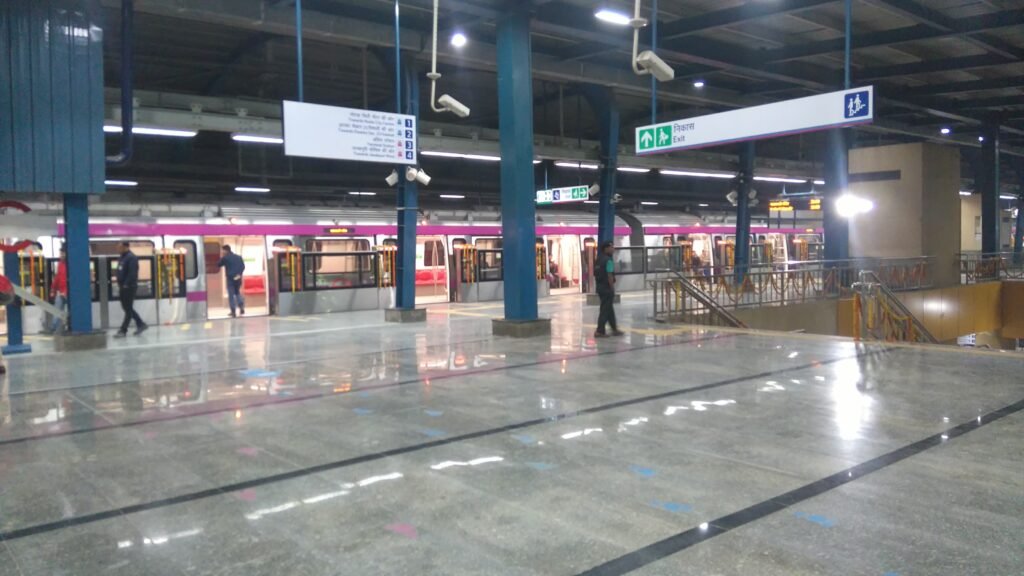
According to an official statement, proposals to revise the names of 21 metro stations were examined. Of these, 12 names were retained as originally proposed, seven were modified, and two stations were completely renamed after detailed deliberations.
The Chief Minister emphasized that metro stations are not merely transit nodes but also symbolic markers of the communities they serve. The final decisions were guided by public sentiment, historical and cultural significance, and recommendations from local representatives and citizens.
Stations with Modified Names
The following stations have undergone name modifications:
- Uttari Pitampura–Prashant Vihar (earlier Prashant Vihar)
- Jagatpur–Wazirabad (earlier Jagatpur)
- Nanak Pyau–Derawal Nagar (earlier Derawal Nagar)
- Khanpur–Vayusainabad (earlier Khanpur)
- Nanaksar–Sonia Vihar (earlier Sonia Vihar)
- Shri Ram Mandir Mayur Vihar (earlier Mayur Vihar Pocket 1)
- Mangolpur Kalan–West Enclave (earlier West Enclave)
Additionally:
- North Pitampura has been renamed as Haiderpur Village
- Pitampura has been renamed as Madhuban Chowk
Stations Retained as Proposed
Twelve stations will retain their originally proposed names in the Detailed Project Reports:
Majlis Park, Bhalaswa, Haiderpur Badli Mor, Deepali Chowk, Yamuna Vihar, Bhajanpura, Khajuri Khas, Soorghat, Jharoda Majra, Burari, Pushpanjali and Maujpur–Babarpur. Two metro stations in Delhi ren…
Policy Rationale
The Chief Minister noted that the authority carefully evaluated historical context, social relevance, and cultural significance before finalizing the names. The government has also indicated that similar proposals may be considered in the future if deemed reasonable and aligned with community interests. Two metro stations in Delhi ren…
This development underscores an ongoing effort to align urban infrastructure nomenclature with grassroots identity, reinforcing the symbolic and civic importance of public transport systems in shaping metropolitan narratives.
Source: The Economic Times.
Also Read: DDA Approves ₹14,962 Cr Budget; 48 Villages to Urbanise