

Two Lives of Principle, Service, and Public Responsibility
India’s architectural and environmental communities mourn the loss of two towering public intellectuals whose lives were devoted to ethics, education, and the larger public good. Prof. Vijay Garg, a respected architect and institutional leader, and Madhav Gadgil, one of India’s most influential ecological thinkers, represented parallel traditions of principled leadership in the built and natural environments.
Though their professional domains differed, both shared a rare moral clarity and an unwavering belief that knowledge carries responsibility—towards society, future generations, and the environment.
Prof. Vijay Garg: Architecture as Public Trust
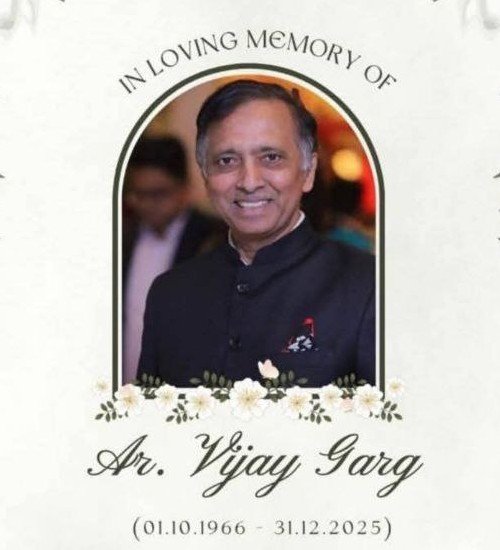
Prof. Vijay Garg, who passed away on December 31, 2025, was widely regarded as a calm yet decisive leader within India’s architectural institutions. As Former President of the Council of Architecture and Former Chairman of the State Environment Assessment Committee, Government of NCT of Delhi, he played a crucial role in shaping regulatory frameworks that balanced professional standards with environmental responsibility.
A committed educator associated with institutions such as the School of Planning and Architecture, Prof. Garg influenced generations of students through his emphasis on ethical practice, critical thinking, and humility. Colleagues and students alike remember him for his quiet authority, thoughtful deliberation, and deep respect for architecture as a social responsibility rather than a commercial pursuit.
His work consistently reflected the belief that development must be accountable—to people, cities, and ecological systems. In an era of accelerating urbanisation, his leadership stood out for its restraint, fairness, and integrity.
Madhav Gadgil: Ecology with Democracy at Its Core
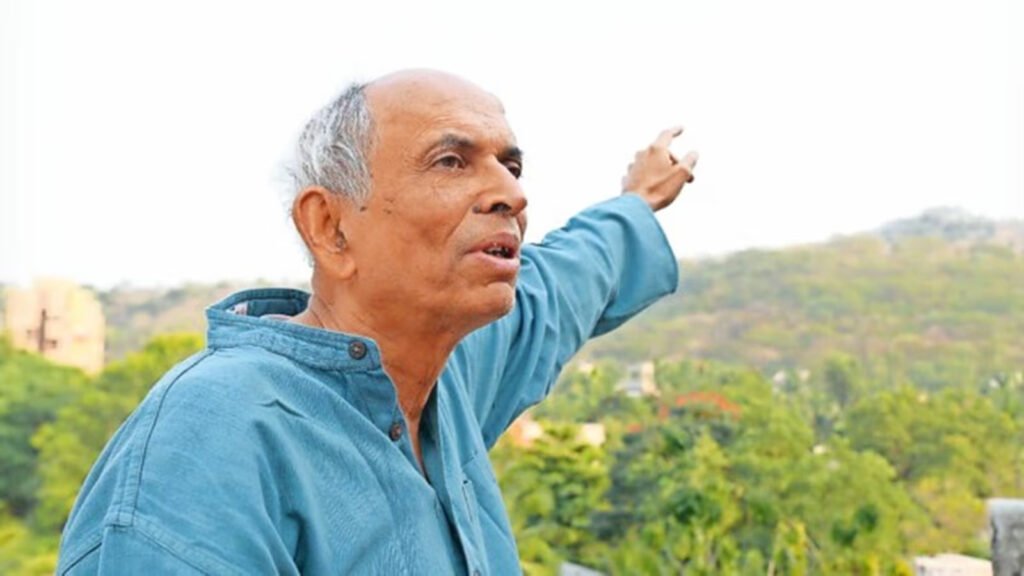
Madhav Gadgil’s passing marks the end of a formative chapter in India’s environmental thought. A pioneering ecologist and co-founder of the Centre for Ecological Sciences at the Indian Institute of Science, Gadgil reshaped ecological research by integrating science with social realities.
He is best known for chairing the Western Ghats Ecology Expert Panel, whose report—popularly known as the Gadgil Report—offered a scientifically rigorous and participatory framework for conserving one of the world’s richest biodiversity hotspots. Despite political resistance, Gadgil remained steadfast in his conviction that environmental protection cannot be imposed without democratic consent and local participation.
A prolific writer and teacher, he consistently challenged extractive development models, warned against ecological short-termism, and advocated for people-centric environmental governance. His ideas continue to shape policy debates, academic discourse, and grassroots environmental movements across India.
A Shared Legacy of Ethical Leadership
What unites Prof. Vijay Garg and Madhav Gadgil is not merely their professional excellence, but their shared commitment to ethics over expediency. Both believed that institutions matter, that education must cultivate responsibility, and that long-term public interest must prevail over short-term gains.
At a time when India confronts rapid urban growth, climate stress, and environmental degradation, their lives offer enduring lessons. They remind us that meaningful progress demands integrity, patience, and respect for both human and natural systems.
The nation bows in respect to two lives well lived. Their legacies will continue to guide architects, planners, environmentalists, students, and policymakers for years to come.
Also Read: In Remembrance: Padma Vibhushan Ratan Tata (1937–2024)