

In a step aimed at strengthening women-centric urban infrastructure, the Municipal Corporation of Delhi (MCD) has identified 14 high-footfall locations across the city for the installation of mobile “pink toilets” exclusively for women. The initiative proposes converting abandoned and condemned buses into fully functional sanitation units.
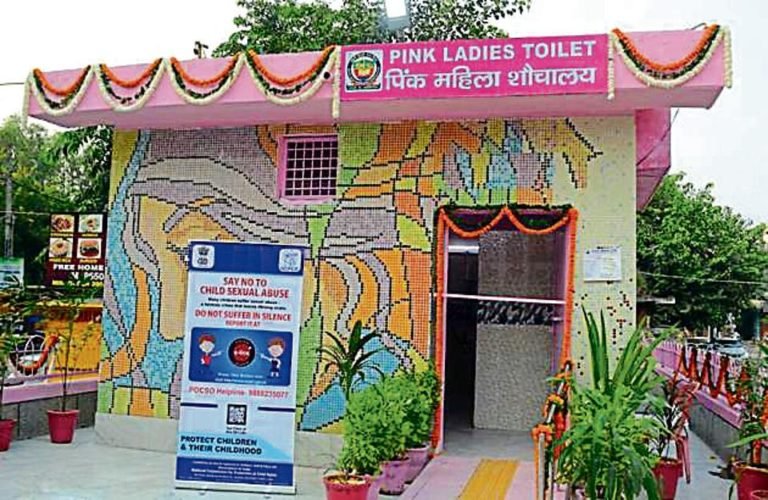
The move targets areas where permanent toilet infrastructure is either inadequate or absent, particularly busy commercial markets, transit zones, and public congregation points. To implement the project, MCD has partnered with the Pinki Charitable Trust, which will supply the refurbished bus-based toilet units and take responsibility for their day-to-day operation and maintenance.
According to officials, feasibility reports for the identified sites will be submitted to MCD’s Environment Management Services Department within a week. Following approvals, a formal memorandum of understanding (MoU) will be signed, and the rollout is expected to take place over the coming months.
The shortlisted locations include prominent markets and transit areas such as Lajpat Nagar, Green Park, Nehru Place, Hauz Khas, New Friends Colony, Karol Bagh (Ajmal Khan Road), South Extension Part I, Rajouri Garden, Kamla Nagar, Netaji Subhash Place, as well as areas near Old Delhi Railway Station (Kacha Bagh) and New Delhi Railway Station (Ajmeri Gate).
MCD has instructed its zonal offices to finalise precise installation spots within seven days. Zonal executive engineers will jointly inspect the sites with representatives of the trust to ensure the availability of sewerage and water connections, while also confirming that public movement is not obstructed.
The proposal states that the initiative aligns with MCD’s broader objectives of enhancing women’s dignity, health, safety, and mobility in public spaces. Regular monitoring mechanisms will be put in place to ensure smooth functioning of the facilities.
While residents and commuters have largely welcomed the initiative, some have expressed concerns regarding long-term maintenance and operational efficiency—an issue that the civic body says will be closely monitored once the project is implemented.
Also Read: NCRTC Managing Director Visits Delhi Metro Museum