

Chennai | In a significant step towards enhancing urban mobility, Chennai Metro Rail Limited (CMRL) has initiated plans to improve walkability around 41 stations in its Phase I network. The move comes more than a decade after the metro began operations, highlighting a renewed focus on pedestrian infrastructure and last-mile connectivity.
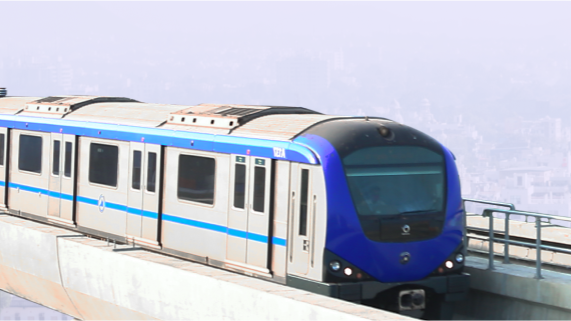
CMRL officials confirmed that a detailed study will soon be undertaken to assess and upgrade pedestrian facilities within a 500-metre radius—referred to as the “influence zone”—of these stations. The 54-km Phase I network will see redesigned and newly constructed footpaths, improved lighting, and enhanced wayfinding systems to create a safer and more accessible commuting environment.
To execute the project, CMRL has floated bids to appoint a consultant who will prepare a comprehensive Detailed Project Report (DPR). This report will outline strategies to redevelop station surroundings and make them pedestrian-friendly. The consultant is expected to submit the DPR within four months, after which implementation responsibility will be handed over to the Greater Chennai Corporation.
Focus on Multi-Modal Integration
A key component of the initiative is strengthening multi-modal transport integration. The proposed infrastructure plan includes seamless connectivity between metro stations and intra-city as well as inter-city buses, MRTS stations, and other transit systems. Planned upgrades also feature:
- Bus bays and off-road parking
- Foot-over-bridges and subways
- Covered walkways and bicycle parking
- Dedicated pick-up/drop-off zones
- Spaces for autos, taxis, and feeder services
- Vending zones and public art installations
These measures aim to improve first- and last-mile connectivity, making public transport more convenient and attractive for commuters.
Boosting Public Transport Usage
CMRL is also coordinating with the Metropolitan Transport Corporation (MTC) to introduce feeder bus services connecting metro stations to nearby neighborhoods. Officials emphasize that improving pedestrian access is critical for the success of these services, ensuring commuters can safely reach transit points.
Ground Reality Concerns
Despite the ambitious plans, commuters have raised concerns about current conditions. Many station areas lack proper footpaths and are affected by encroachments, traffic congestion, and poor sanitation. Residents stress that unless these issues are addressed effectively, the benefits of improved infrastructure may not be fully realized.
The proposed walkability study marks a strategic shift in Chennai’s metro planning—moving beyond rail infrastructure to holistic urban mobility. If implemented effectively, it could significantly enhance commuter experience and increase metro ridership by making access safer, smoother, and more integrated.
Also Read: India’s Metro Revolution: From 4 Cities to 1,000+ km Network by 2025