

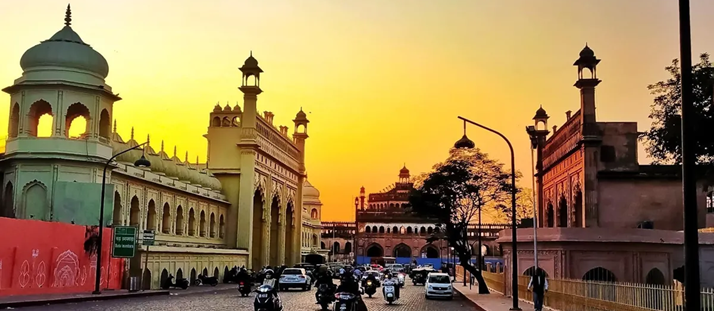
From Tehzeeb to Taste: Lucknow’s Culinary Glory Finds Global Recognition
The city of Nawabs, Lucknow, has earned a global spotlight as it has been officially designated a UNESCO Creative City of Gastronomy (2025) — joining the elite club of world cities celebrated for their unique culinary heritage. With this recognition, Lucknow stands beside cities like Hyderabad (India’s first in gastronomy, 2019), Chengdu (China), Parma (Italy), and Jeonju (South Korea).

This prestigious title acknowledges Lucknow’s centuries-old Awadhi cuisine, blending Persian refinement with Indian warmth — from the smoky kebabs of Tunday to the slow-cooked nihari and the saffron-flavored biryanis that define its identity.
What Is UNESCO’s Creative Cities Network?
Established in 2004, the UNESCO Creative Cities Network (UCCN) aims to promote cooperation among cities that recognize creativity as a driver of sustainable urban development (UNESCO, 2024). Today, the network includes nearly 350 cities from over 100 countries, spanning seven creative fields — Crafts & Folk Art, Design, Film, Gastronomy, Literature, Media Arts, and Music.

India now has five UNESCO Creative Cities — Jaipur (Crafts & Folk Art, 2015), Varanasi (Music, 2015), Chennai (Music, 2017), Hyderabad (Gastronomy, 2019), and Lucknow (Gastronomy, 2025).
The Recipe for Recognition: How UNESCO Selects Its Cities
The selection process involves a detailed application by the city government, including evidence of cultural heritage, community participation, and policy framework to promote creative industries (UNESCO UCCN Guidelines, 2024). The proposals are reviewed by an independent panel of experts and approved during UNESCO’s annual assembly.
Only about 8–10 cities worldwide are chosen each year from over 80 applicants (UNESCO Annual Report, 2023).
Lucknow’s Gastronomic Legacy: A Blend of Culture, Craft, and Cuisine
Lucknow’s culinary identity is rooted in 18th-century Awadhi culture, developed under the patronage of Nawab Asaf-ud-Daula and refined by royal chefs who perfected the dum pukht (slow-cooking) technique.
Today, the city’s food ecosystem employs over 2 lakh people in the hospitality and food sector, including small eateries, street vendors, and fine-dining establishments (FSSAI, 2024).
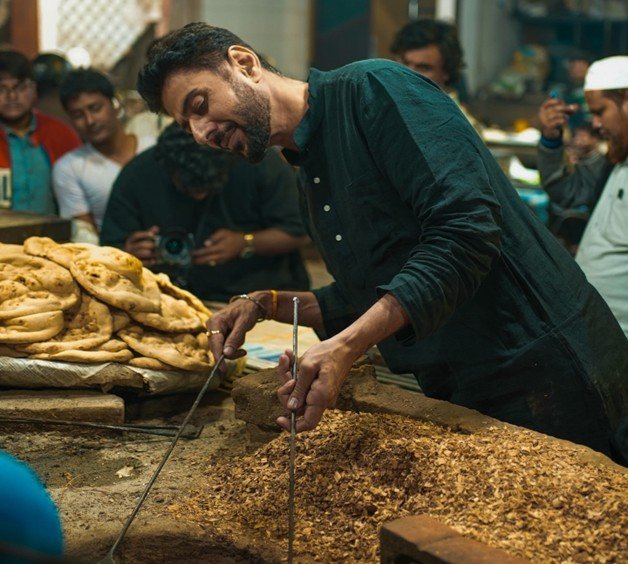
Its food festivals, such as the Lucknow Mahotsav and Tehzeeb Festival, attract over 1.2 million visitors annually (UP Tourism, 2024), showcasing how culinary tradition fuels tourism and livelihoods.
A Global Seat at the Table: What the Title Means for India
Lucknow’s inclusion elevates India’s soft power by emphasizing the role of traditional cuisine in urban culture and sustainable food systems. It also positions the city as a hub for culinary tourism, potentially increasing food-related tourism revenue by 20–25% annually (Ministry of Tourism, 2025 projection).
As a UNESCO Creative City, Lucknow will now collaborate with global partners to promote sustainable gastronomy, culinary education, and local ingredient preservation — ensuring its traditions evolve with innovation.
Beyond the Plate: A Step Toward Sustainable Food Futures
This recognition is not just about taste — it’s about sustainability. The city’s focus will shift toward zero-waste kitchens, local ingredient sourcing, and skill development in traditional cooking. The initiative also supports UN Sustainable Development Goals (SDGs), especially Goal 11 (Sustainable Cities) and Goal 12 (Responsible Consumption and Production) (UNESCO, 2024).
A Toast to Tehzeeb and Taste: Lucknow’s Culinary Renaissance
As Lucknow steps onto the global culinary map, this milestone reinforces the notion that culture and cuisine are inextricably linked. It celebrates not only the city’s delicious legacy but also its enduring tehzeeb — the art of refined living and generous hospitality.
References (within text):
- (UNESCO, 2024 – Creative Cities Network Overview)
- (UNESCO Annual Report, 2023)
- (FSSAI, 2024 – State Food Business Survey)
- (UP Tourism Department, 2024 – Annual Visitor Statistics)
- (Ministry of Tourism, Government of India, 2025 – Forecast Report on Culinary Tourism)
Also Read: Ayodhya Witnessed Historic Dhwaja Arohan as Ram Mandir Reached Full Completion