

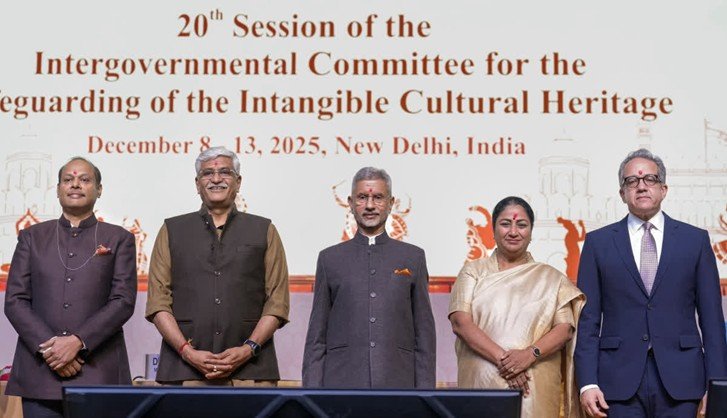
The historic Red Fort in New Delhi transformed into a vibrant arena of global cultural dialogue as India hosted the 20th Session of the UNESCO Intergovernmental Committee for the Safeguarding of the Intangible Cultural Heritage (ICH). Against the backdrop of towering red sandstone walls—symbols of India’s tangible past—the world gathered to deliberate on traditions that cannot be touched, yet define humanity’s collective soul. The inaugural ceremony on 7 December 2025 was attended by eminent national and international dignitaries, including the Hon’ble Minister of External Affairs Dr. S. Jaishankar, the Hon’ble Minister of Culture & Tourism Shri Gajendra Singh Shekhawat, UNESCO Director‑General Khaled El‑Enany, senior officials of the Ministry of Culture, and cultural leaders from across continents.
Beyond Monuments: Why Intangible Cultural Heritage Matters
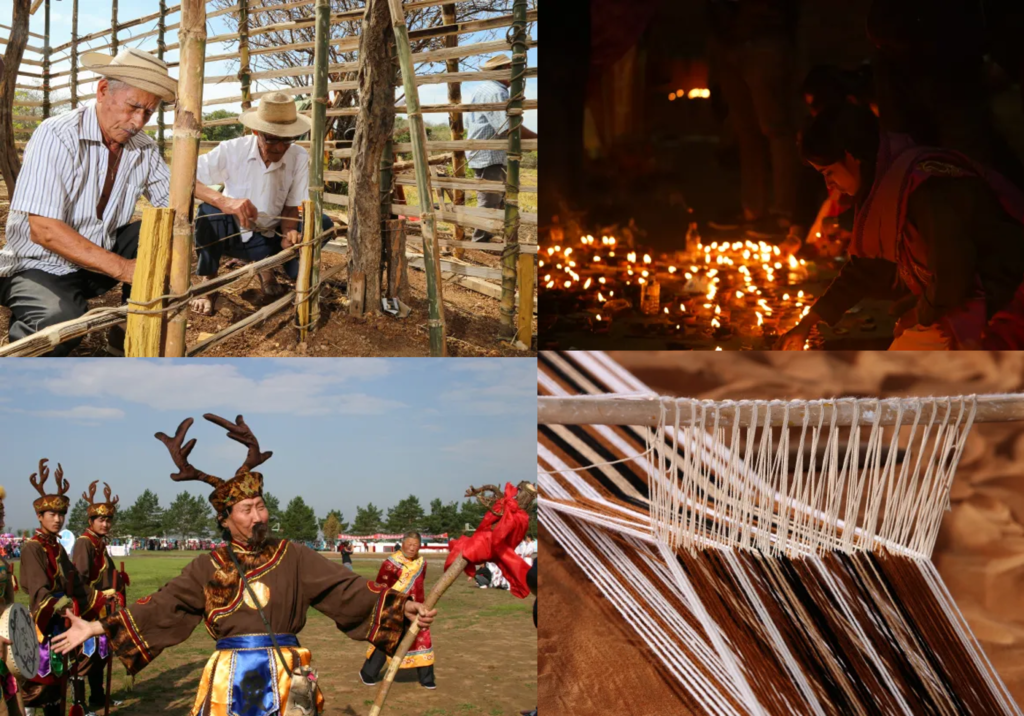
While monuments narrate history through stone, intangible cultural heritage speaks through people. Songs, rituals, craftsmanship, oral traditions, festive practices, and performing arts carry emotional memory, ethical values, and social wisdom accumulated across generations. UNESCO’s 2003 Convention recognizes that without safeguarding these living expressions, cultural diversity risks erosion in the face of rapid globalization, urbanization, climate change, conflict, and homogenized lifestyles. The 20th session reaffirmed that intangible heritage is not nostalgia—it is a dynamic resource for identity, resilience, social harmony, and sustainable development.
India and UNESCO: A Journey Rooted in Living Culture
India ratified the 2003 Convention in 2005 and has since emerged as a strong advocate of community-centric heritage safeguarding. Hosting the 20th session marked the first time India welcomed the ICH Committee on its soil, coinciding with nearly two decades of its active engagement with UNESCO’s living heritage framework. India has served three terms on the Intergovernmental Committee and consistently emphasized that culture thrives not only in archives and museums, but in everyday life—echoing the national ethos of Vikas Bhi Virasat Bhi (development alongside heritage).
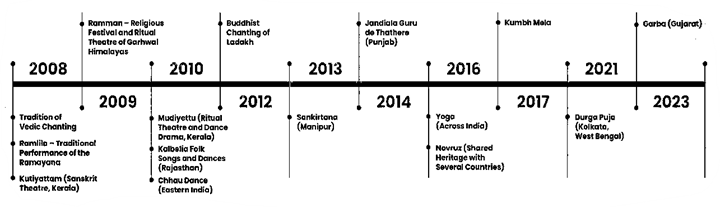
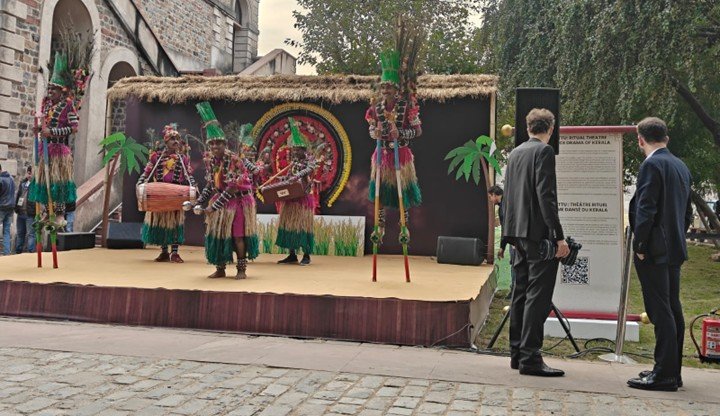
India (till 2023) has fifteen elements inscribed on UNESCO’s Representative List of the Intangible Cultural Heritage of Humanity, including Kutiyattam (2008), Ramlila (2008), Ramman (2009), Chhau Dance (2010), Kalbelia Folk Songs and Dances (2010), Mudiyettu (2010), Buddhist Chanting of Ladakh (2012), Sankirtana of Manipur (2013), Traditional Brass and Copper Craft of Utensil Making (2014), Yoga (2016), Kumbh Mela (2017), Durga Puja in Kolkata (2021), and Garba of Gujarat (2023). Together, these inscriptions reflect India’s extraordinary cultural diversity.
Voices that Shaped the Discourse: Key Messages from the Inaugural Session
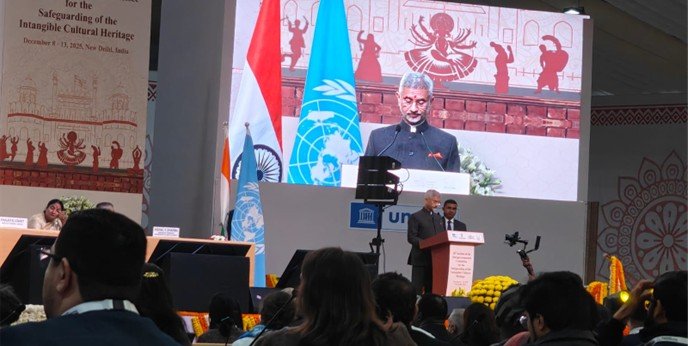
Addressing the gathering, Dr. S. Jaishankar underlined UNESCO’s critical role in safeguarding traditions that represent the “most democratic expression of culture,” stressing that languages, rituals, music, festivals, and craftsmanship are invaluable inheritances of humanity. Shri Gajendra Singh Shekhawat reinforced that Bharat’s heritage lives in people’s voices, gestures, recipes, and collective celebrations. The Prime Minister’s message, read by the Secretary of the Ministry of Culture, highlighted that intangible heritage binds communities across generations, fosters belonging in a rapidly changing world, and must be protected against silent disappearance.
How the World Came Together: Participation and Representation
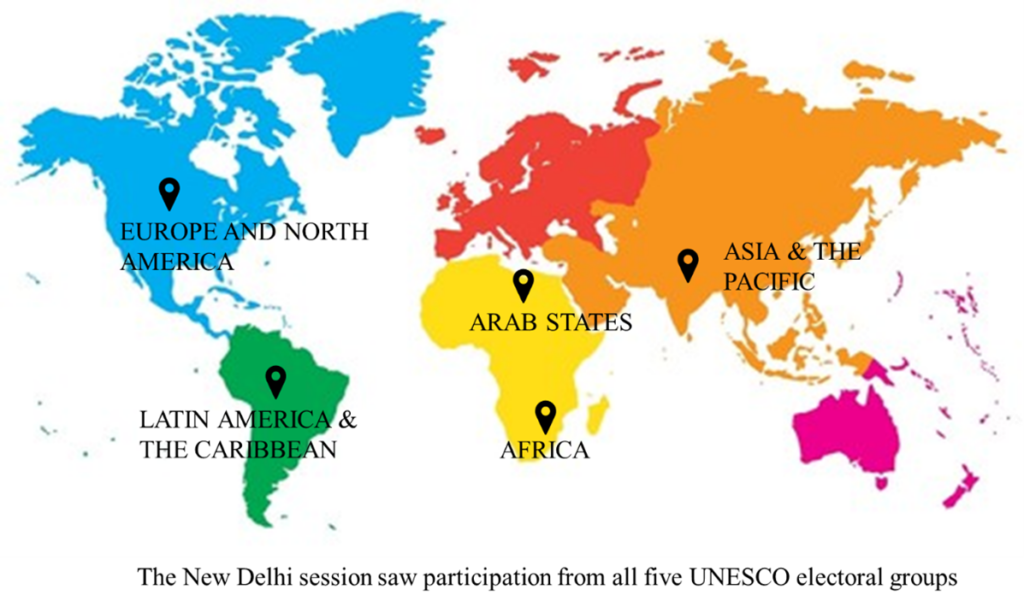
The session witnessed extraordinary global participation, with delegations from over 180 countries, including Committee Members, observer States, intergovernmental organizations, accredited NGOs, and cultural experts. More than a thousand delegates registered, making New Delhi one of the most widely attended ICH Committee sessions. Multilingual interpretation in English, French, and Spanish ensured inclusivity and meaningful engagement across cultures.
Inside the Committee Rooms: What Happened During the Six Days
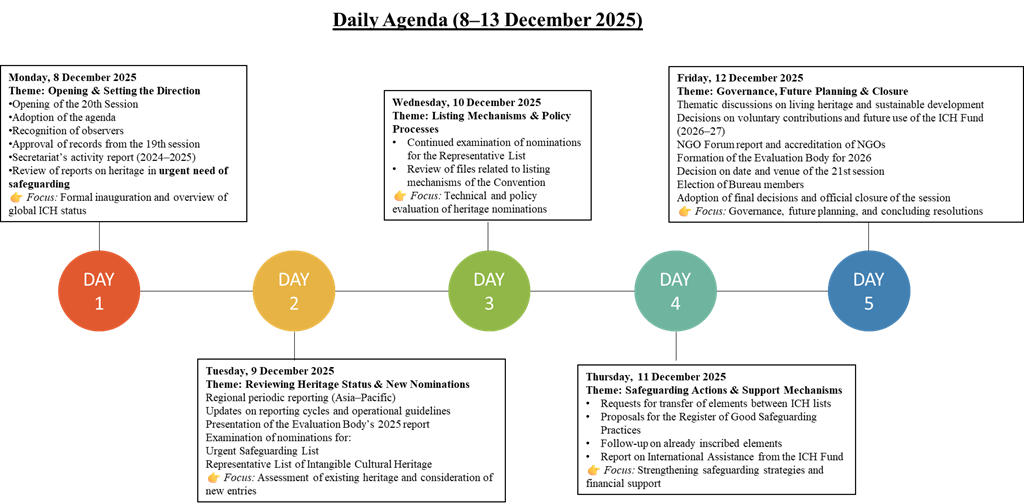
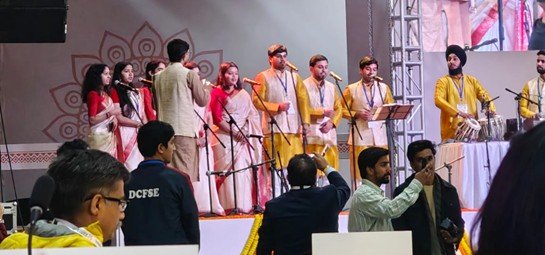
Over six intensive days, the Committee examined periodic reports from States Parties, evaluated nominations for inscription on UNESCO’s Representative List and the List in Need of Urgent Safeguarding, reviewed good safeguarding practices, approved international assistance, and discussed thematic initiatives linking living heritage with education and sustainable development. Cultural side events, exhibitions, and performances complemented formal deliberations, offering delegates immersive experiences of living traditions.
Outcomes that Matter: Decisions with Global Impact
The 20th session resulted in new inscriptions, strengthened safeguarding frameworks, increased encouragement for multinational nominations, and reinforced international cooperation. The Committee advanced discussions on integrating intangible heritage into development policies, education systems, and community resilience strategies, underscoring culture’s role beyond aesthetics—as a driver of sustainability and peace.
India in Focus: How Hosting Benefited the Nation’s Living Heritage
Hosting the session amplified global visibility of India’s diverse traditions, from folk performances to ritual practices and artisanal knowledge. It strengthened domestic documentation and inventorying efforts, encouraged youth engagement, boosted cultural tourism, and reinforced India’s image as a leader in cultural diplomacy and soft power. The collaboration between the Ministry of Culture and the Sangeet Natak Akademi demonstrated institutional readiness to safeguard heritage in partnership with communities.
From Community to Global Stage: How an Element Is Inscribed
The journey to UNESCO recognition begins within communities, where practitioners identify traditions as part of their living heritage. States Parties prepare nomination dossiers demonstrating community consent, safeguarding measures, and alignment with UNESCO criteria. After evaluation by expert bodies, the Intergovernmental Committee takes final decisions. Central to the process are participation, sustainability, respect for diversity, and intergenerational transmission.
Deepawali: A Festival that Illuminates Living Heritage
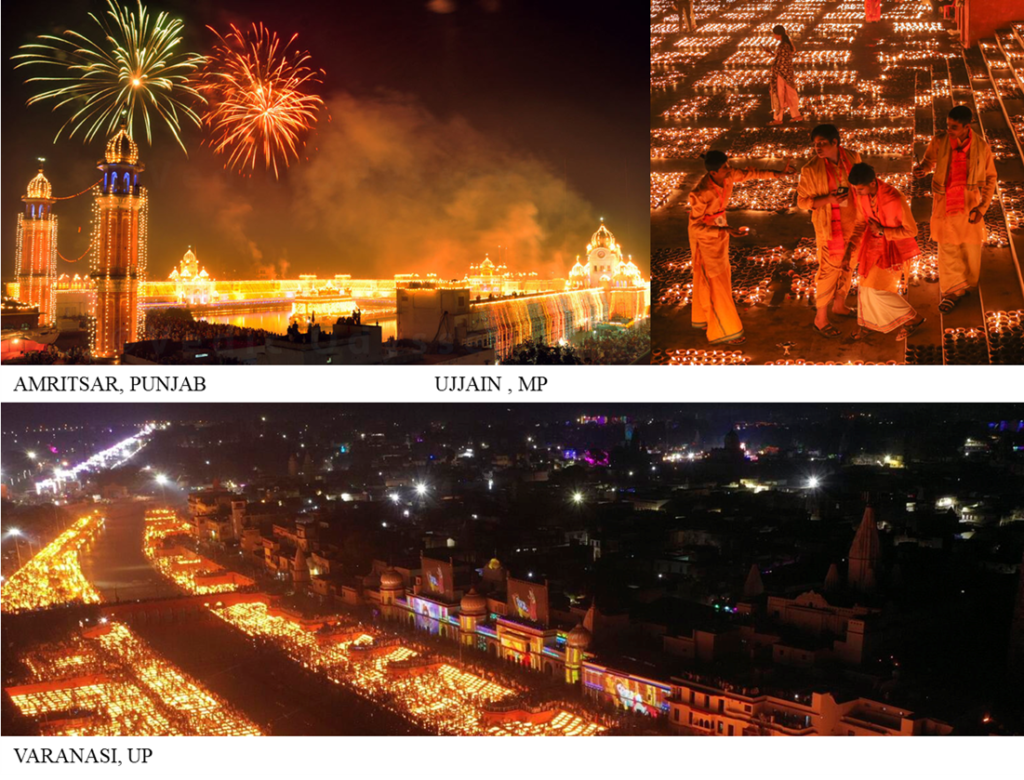
The inscription of Deepawali (Diwali) on the UNESCO Intangible Cultural Heritage of Humanity represents a proud and historic moment for India. Rooted in ancient traditions and celebrated across the country with rich regional diversity, Deepawali embodies the enduring values of light over darkness, knowledge over ignorance, and unity in diversity. Through rituals, oral traditions, festive arts, and collective participation, the festival is transmitted across generations and shared by communities beyond religious boundaries. This recognition affirms India’s living cultural heritage and highlights Deepawali as a unifying tradition that reflects the nation’s civilizational depth and its contribution to humanity’s shared cultural legacy.
A Closing Reflection: Carrying Living Heritage into the Future
India’s hosting of the 20th UNESCO ICH Committee session reaffirmed a powerful message: heritage is not frozen in the past—it lives, evolves, and shapes our collective future. By bringing the world to Red Fort to deliberate on living traditions, India strengthened global commitment to cultural diversity and demonstrated that safeguarding intangible heritage is essential for inclusive, sustainable, and humane development. In an era of rapid change, the session stood as a reminder that humanity’s greatest legacy often resides not in monuments but in memories, practices, and shared ways of life.
References
- UNESCO. (2003). Convention for the Safeguarding of the Intangible Cultural Heritage. Paris: UNESCO.
- UNESCO. (2025). Twentieth Session of the Intergovernmental Committee for the Safeguarding of the Intangible Cultural Heritage. New Delhi: UNESCO Living Heritage Entity.
- Ministry of Culture, Government of India. (2025). India Hosts the 20th Session of the UNESCO ICH Committee. New Delhi.
- UNESCO. (n.d.). What is Intangible Cultural Heritage? UNESCO official resources.
Also Read: MoHUA Holds Preparatory Workshop to Shape Roadmap for Clean Himalayan and Hill Cities