

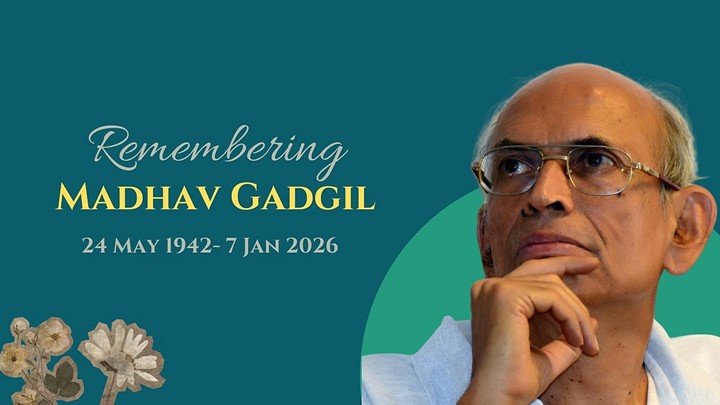
A Life Rooted in Nature, Scholarship, and Social Responsibility
Dr. Madhav Dhananjaya Gadgil (24 May 1942 – 7 January 2026) was one of the most influential ecologists in India’s history — a scientist, thinker, mentor, communicator, and unwavering public intellectual whose work reshaped how the world understands the relationship between people and nature. Gadgil’s approach was not confined to academic research; he blended empirical science with community engagement, legal frameworks, and ecological ethics, transforming environmental governance in India and beyond. He died in Pune at the age of 83 after a brief illness, leaving behind a legacy that continues to influence ecological science, policy, and conservation movements globally.
Also Read: In Memoriam: Prof. Vijay Garg and Ecologist Madhav Gadgil
Early Years: Scientific Curiosity Meets Academic Rigor
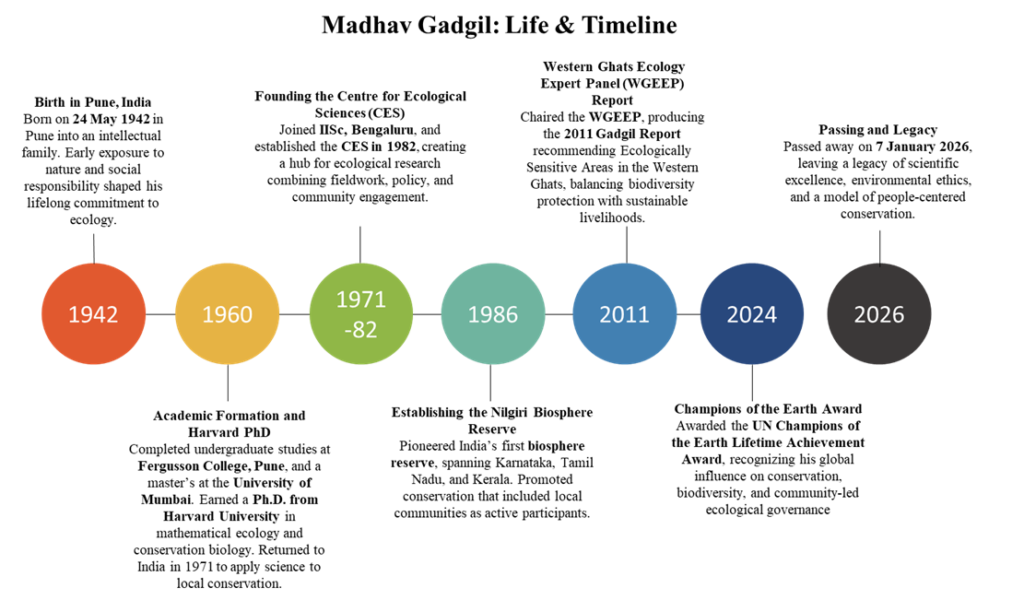
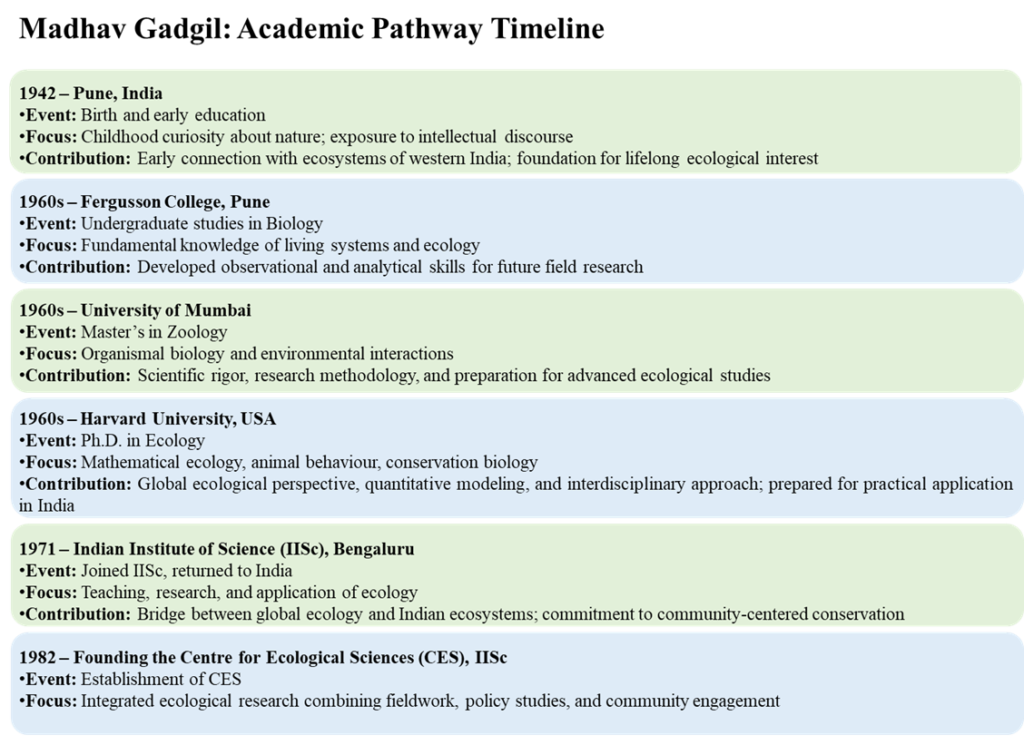
Born in Pune in 1942 into an intellectually vibrant family — his father was renowned economist Dhananjay Ramchandra Gadgil — Madhav Gadgil’s early life was shaped by both science and society. He completed his undergraduate studies in biology at Fergusson College, Pune, followed by a master’s in zoology from the University of Mumbai. In the late 1960s, he pursued his Ph.D. at Harvard University, where he worked on mathematical ecology and animal behaviour, bringing a quantitative perspective to ecological science — a relatively new emphasis in Indian ecology at the time. After teaching briefly in the United States, he chose to return to India in 1971 to apply his knowledge to the country’s rich yet vulnerable ecosystems.
Founding the Centre for Ecological Sciences: A New Paradigm
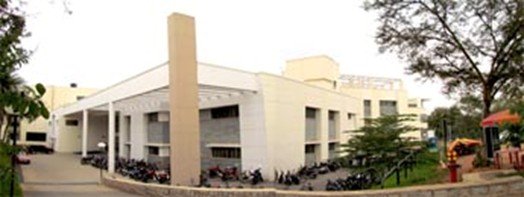
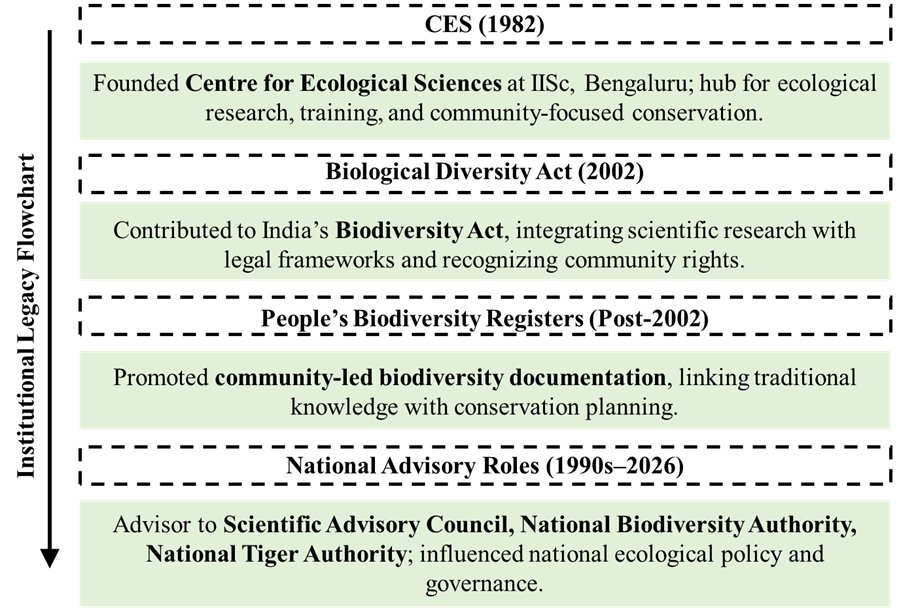
Upon his return, Gadgil joined the Indian Institute of Science (IISc), Bengaluru, where he founded the Centre for Ecological Sciences (CES) in 1982 — one of the first dedicated research units in India to focus on ecology, conservation biology, and environmental policy. Under his leadership, CES grew into a world‑class research hub that integrated field studies, theoretical insights, and public engagement. Gadgil’s academic vision was always expansive: he believed ecology should not remain confined to laboratories but engage with local communities, traditional knowledge holders, and policymakers.
People and Nature: Gadgil’s Holistic Ecological Ethics
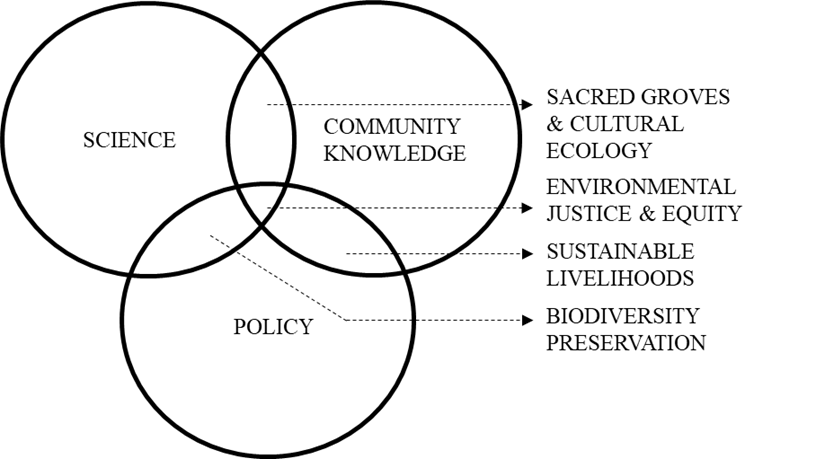
What made Gadgil’s approach distinctive was his conviction that humans are integral parts of ecological systems, not external threats to be controlled or excluded. Instead of advocating fortress conservation — where people are removed from nature reserves — he championed community science and local stewardship of natural resources. Gadgil believed that sustainable conservation must be rooted in democratic participation, respecting traditional ecological knowledge while using scientific research to guide management and policy. This synthesis of ecological science and social justice became a hallmark of his work throughout his career.
The Western Ghats Ecology Expert Panel: A Landmark Report
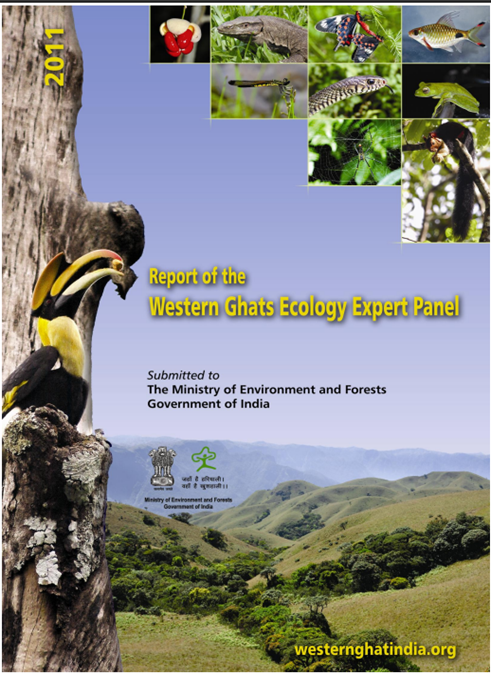
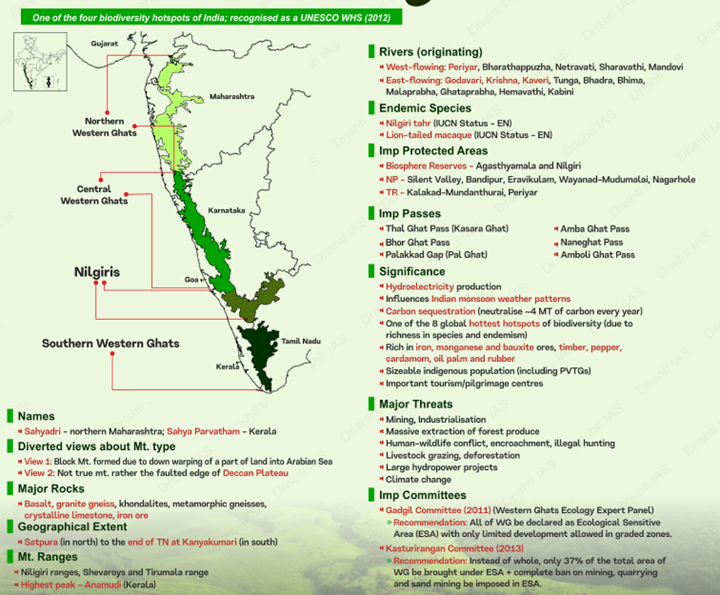
Perhaps Gadgil’s most widely known and transformative contribution was his role as Chair of the Western Ghats Ecology Expert Panel (WGEEP) in 2010, popularly called the Gadgil Commission. The panel was appointed by India’s Ministry of Environment and Forests to assess the environmental threats facing the Western Ghats — one of the world’s most biodiverse regions and a UNESCO World Heritage site.
The 2011 Gadgil Report recommended classifying roughly 64 % of the Western Ghats as Ecologically Sensitive Areas (ESAs) with tiered protection levels. It called for stringent controls on mining, quarrying, large dams, and other disruptive activities, alongside enhanced roles for local governance and sustainable livelihoods. While the report generated intense political controversy and resistance from several state governments, it sparked a national conversation about reconciling ecological conservation with development — a debate that remains central to environmental policy today.
Institutional and Legislative Legacy
Long before the Western Ghats panel, Gadgil had spearheaded foundational work in Indian conservation. In 1986, he played a key role in establishing India’s first biosphere reserve — the Nilgiri Biosphere Reserve — integrating scientific research with local land‑use practices in parts of Karnataka, Tamil Nadu, and Kerala. He was also a principal architect of the Biological Diversity Act (2002) and the concept of People’s Biodiversity Registers, which empower local self‑governance institutions to document and manage biological resources and traditional ecological knowledge.
Beyond these frameworks, Gadgil served on many high‑level scientific and advisory bodies, including the Scientific Advisory Council to the Prime Minister of India, the National Tiger Conservation Authority, and the advisory council for environmental education curricula. His work helped embed ecological science into India’s institutional and policy architecture.
Widely Read Writings and Public Science Communication
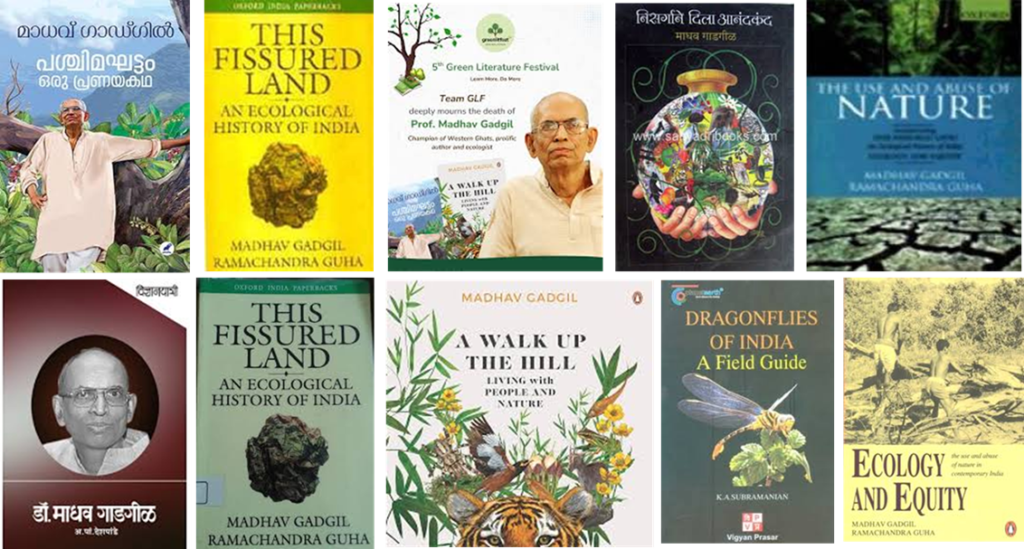
A prolific author and columnist, Gadgil wrote extensively in English and Marathi to popularize ecological awareness across diverse audiences. His books — including influential texts such as This Fissured Land and Ecology and Equity: The Use and Abuse of Nature in Contemporary India — argued forcefully for integrating ecological sustainability with social equity. These works, along with hundreds of scientific papers, served as bridges between academic ecology and public discourse, informing generations of students, activists, and policymakers.
Global Recognition and Awards
Gadgil’s contributions were recognized with numerous honours. In India he received the Padma Shri (1981) and the Padma Bhushan (2006) — two of the country’s highest civilian awards. His scientific excellence earned international recognition, including the Volvo Environment Prize, the Tyler Prize for Environmental Achievement, and in 2024, the United Nations Environment Programme’s Champions of the Earth Award — one of the highest global environmental honours, awarded for lifetime achievement in promoting sustainability and ecological stewardship.
Lasting Legacy: A Vision for Sustainable Futures
Madhav Gadgil’s legacy transcends his scientific contributions. He reshaped environmental governance by centering people, place‑based knowledge, and scientific rigour in conservation practice. He championed a view of nature that balances ecological integrity with human dignity and rights — a perspective that continues to inspire and inform contemporary debates on sustainability, climate resilience, and environmental justice.
As tributes poured in from scientists, policymakers, and civil society after his passing, they underscored not just his scholarship but his role as a moral voice in India’s ecological conscience — a thinker who saw science not as a tool of technocracy but as a means of empowering societies to live in harmony with nature.
References
- Business Standard. (2026, January 8). Who was Madhav Gadgil, the ecologist behind Western Ghats conservation?
- Economic Times. (2026, January). Madhav Gadgil, legendary ecologist who transformed Western Ghats conservation, passes away at 83. IndiaScienceandTechnology.gov.in. (2026). Madhav Gadgil (1942–2026): A Visionary Ecologist.
- Indian Express. (2026). Madhav Gadgil: Ecologist who played key role in Western Ghats’ conservation.
- Wikipedia. (2026). Madhav Gadgil.