

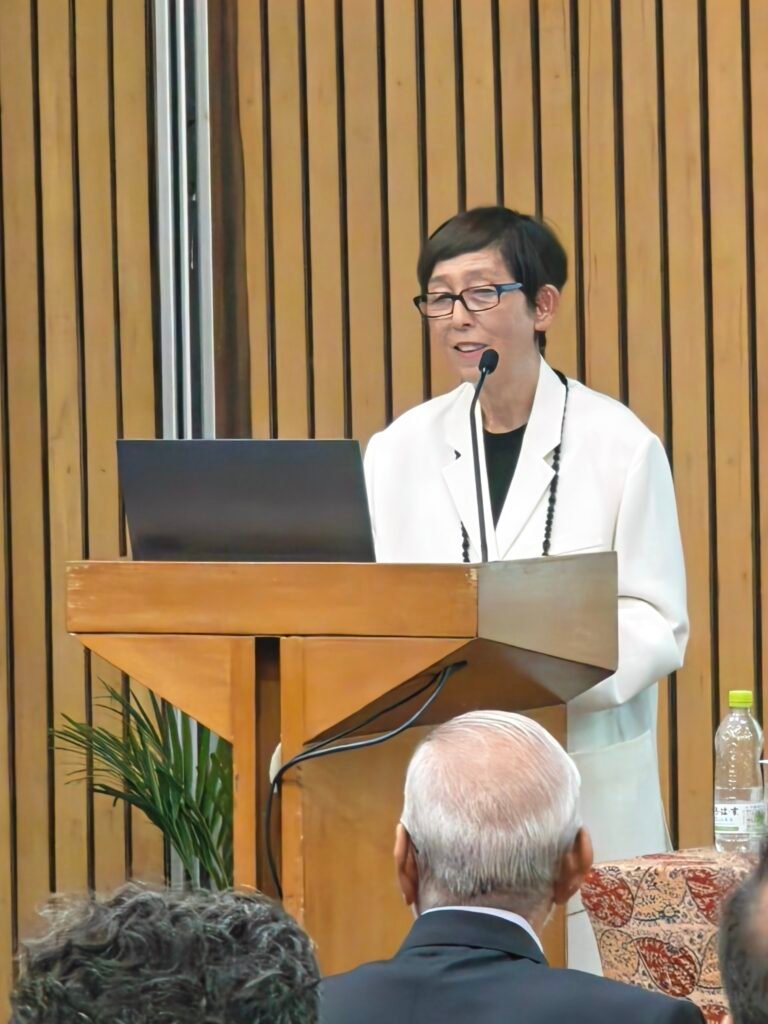
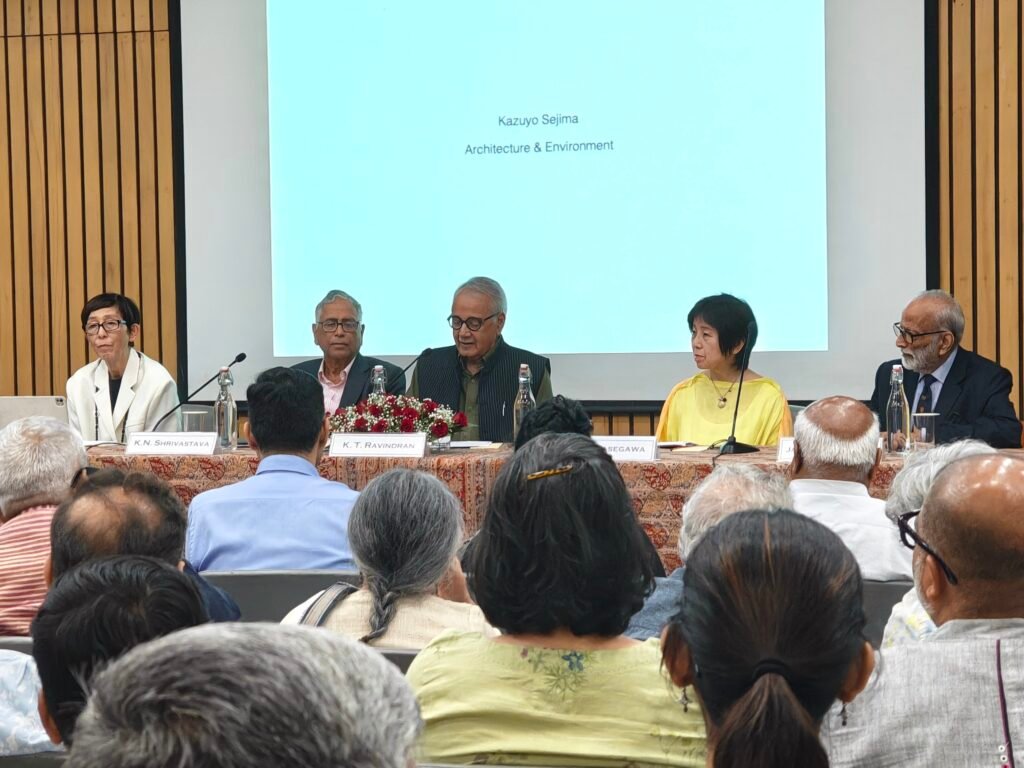
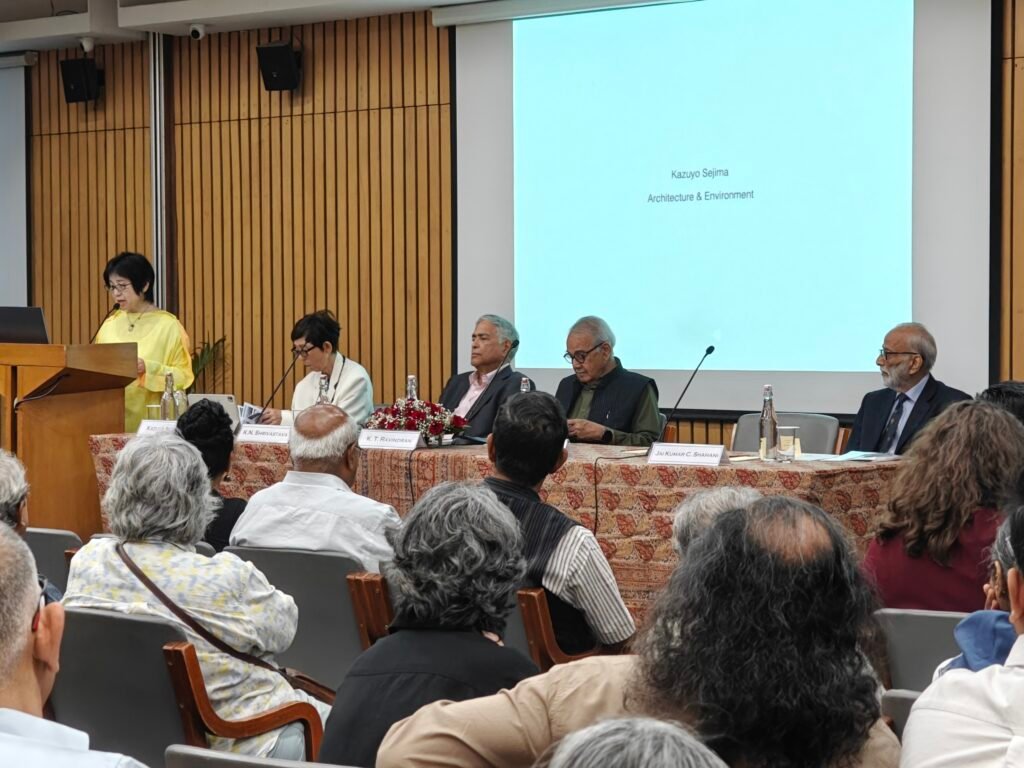
New Delhi: The India International Centre, in collaboration with the International House of Japan, hosted an insightful lecture by world-renowned Japanese architect Kazuyo Sejima, offering a deep dive into her four-decade-long architectural journey and evolving design philosophy.
The event opened with remarks by IIC Director K.L. Srivastava, who highlighted the historical and intellectual ties between the two institutions. He traced their origins to initiatives supported by John D. Rockefeller III and noted the renewed Memorandum of Understanding signed in May 2023, which has revitalized collaborative exchanges, including academic visits and discussions on global challenges such as climate change.
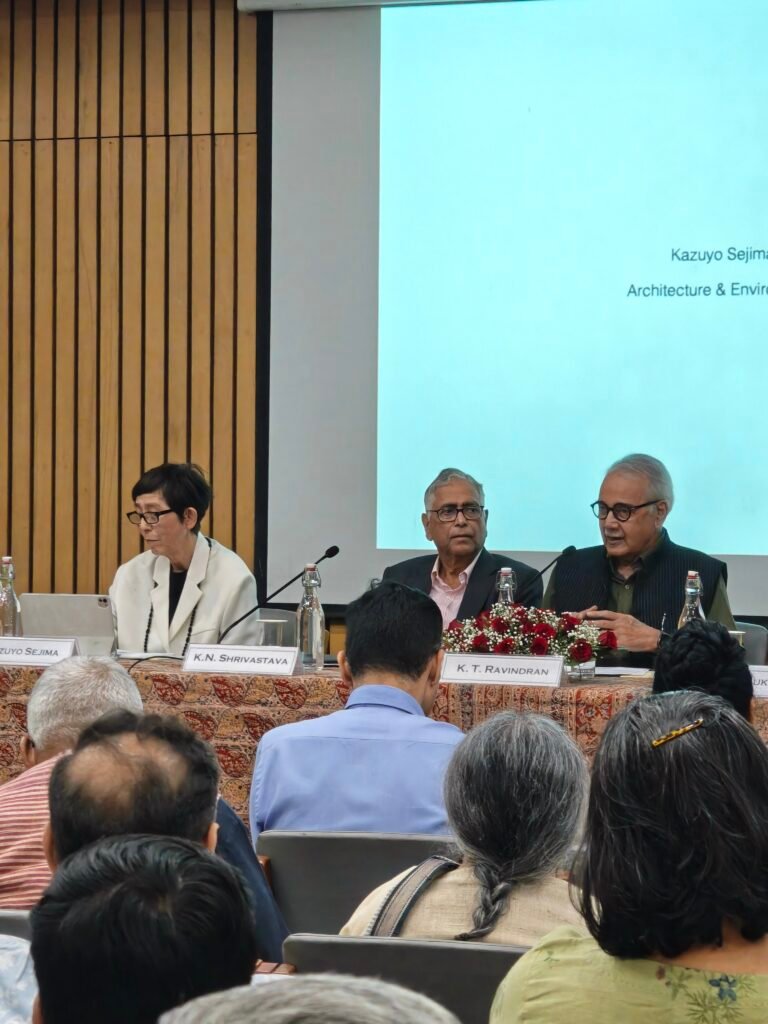
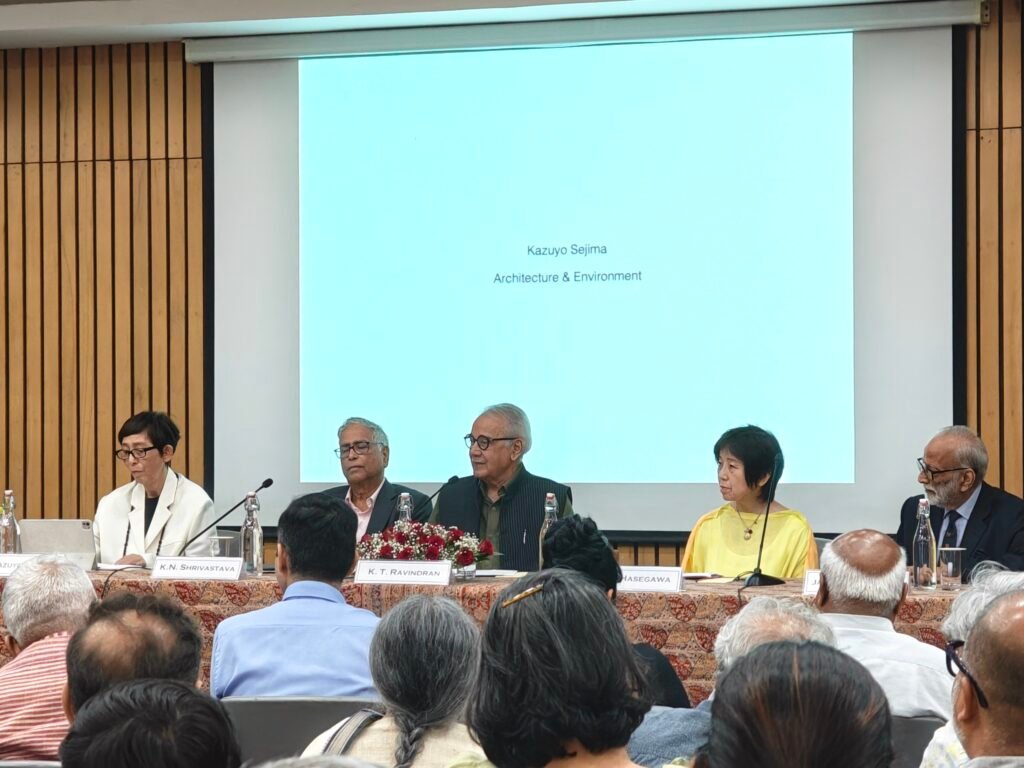
Moderated by noted urban designer Prof. K.T. Ravindran, the session positioned Sejima as one of the most influential contemporary architects, a recipient of the prestigious Pritzker Prize and globally recognized for her work through SANAA. The lecture was described as a rare opportunity for Indian audiences to engage with cutting-edge architectural thinking from Japan.
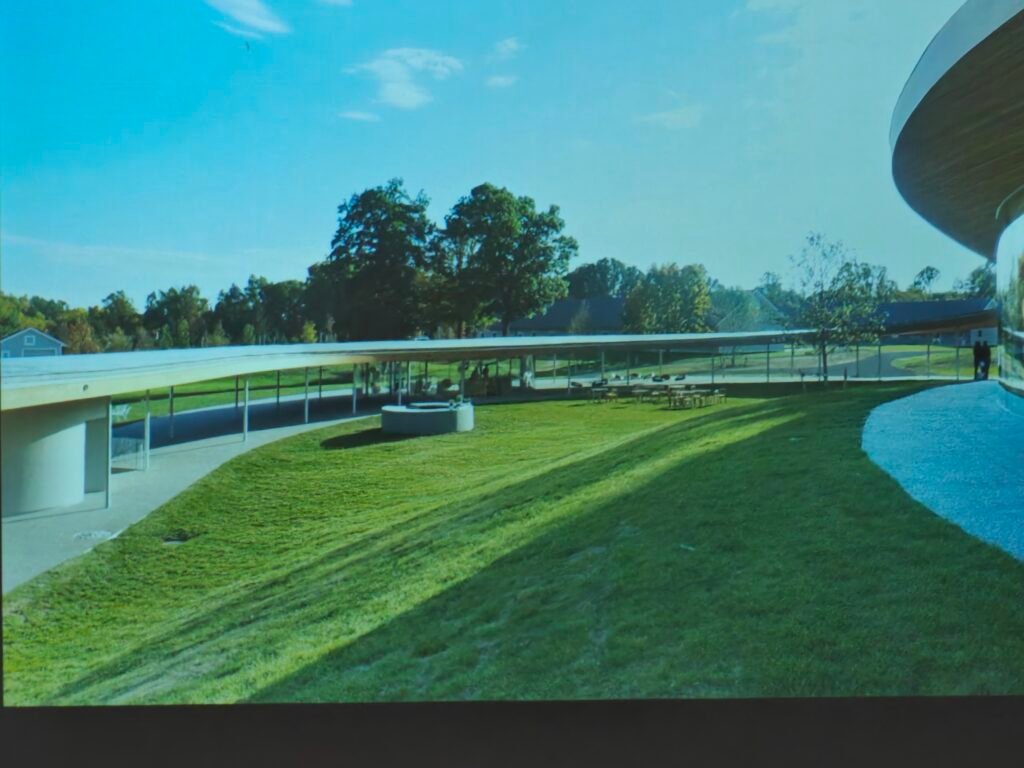
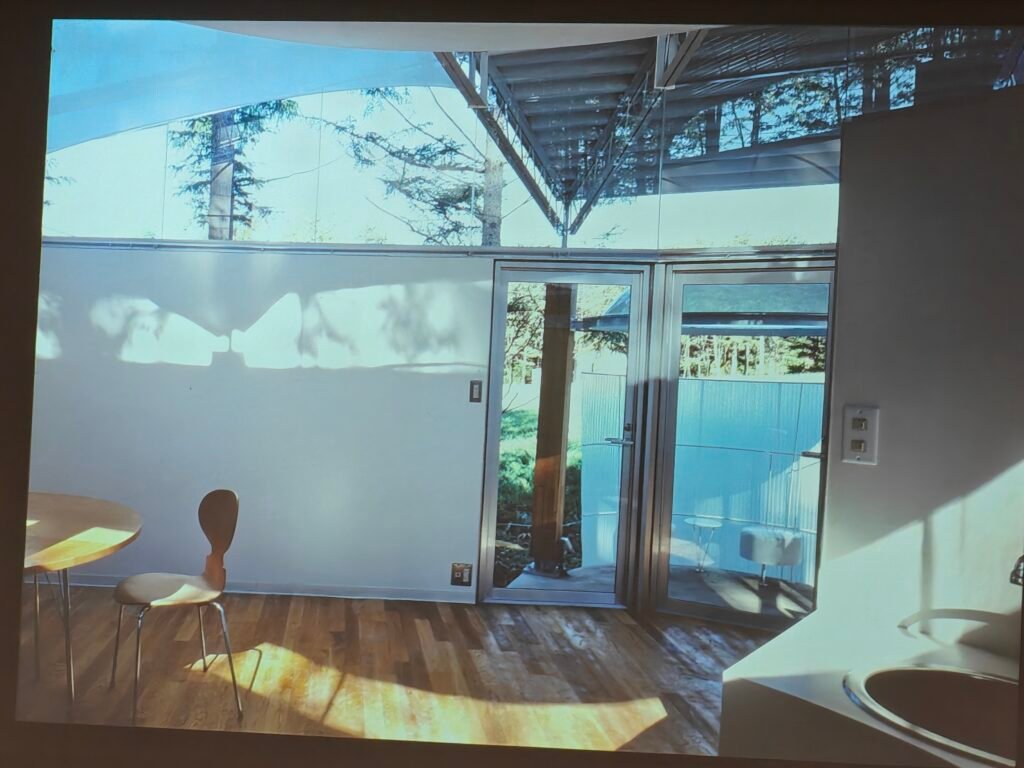
In her presentation, Sejima reflected on her 40-year practice, emphasizing her continuous exploration of architecture as a “park-like” communal space—an environment where people, nature, and built form coexist seamlessly. She explained her early efforts to dissolve the boundary between interior and exterior spaces, which gradually evolved into a broader vision where architecture itself becomes part of the landscape.
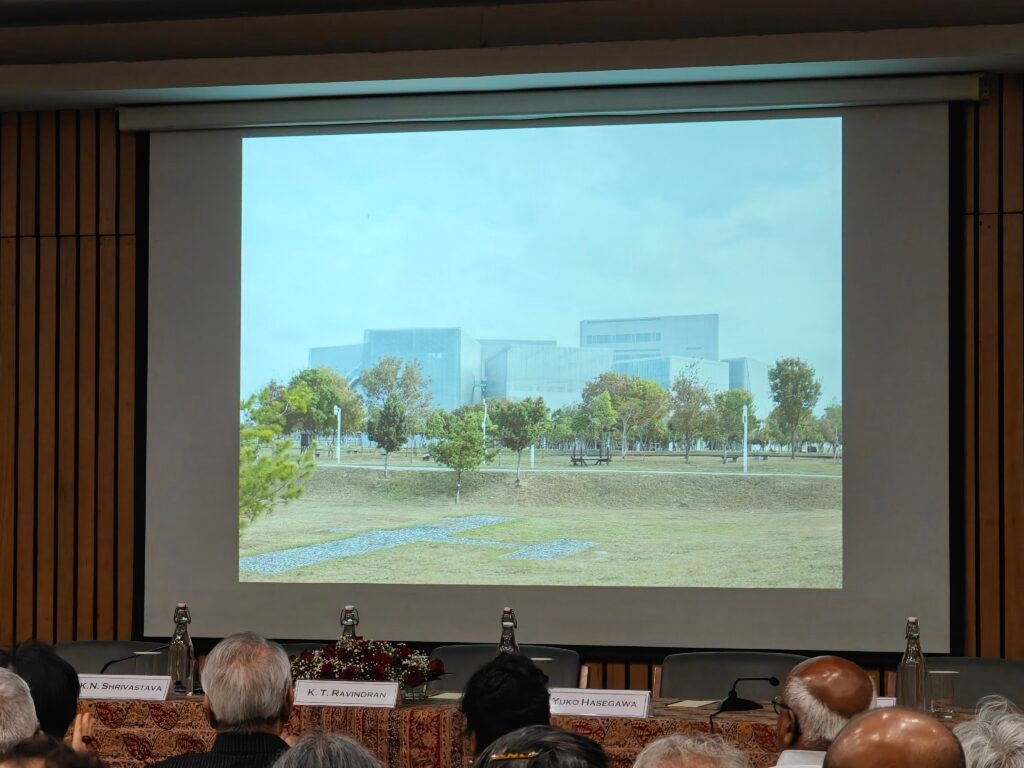
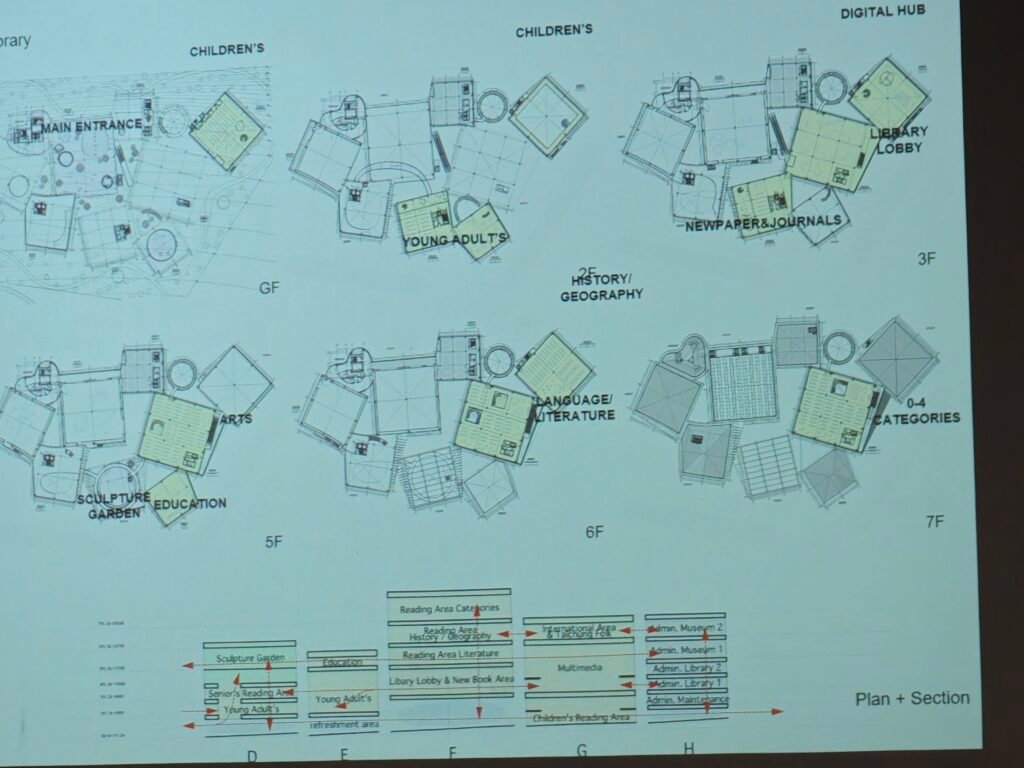
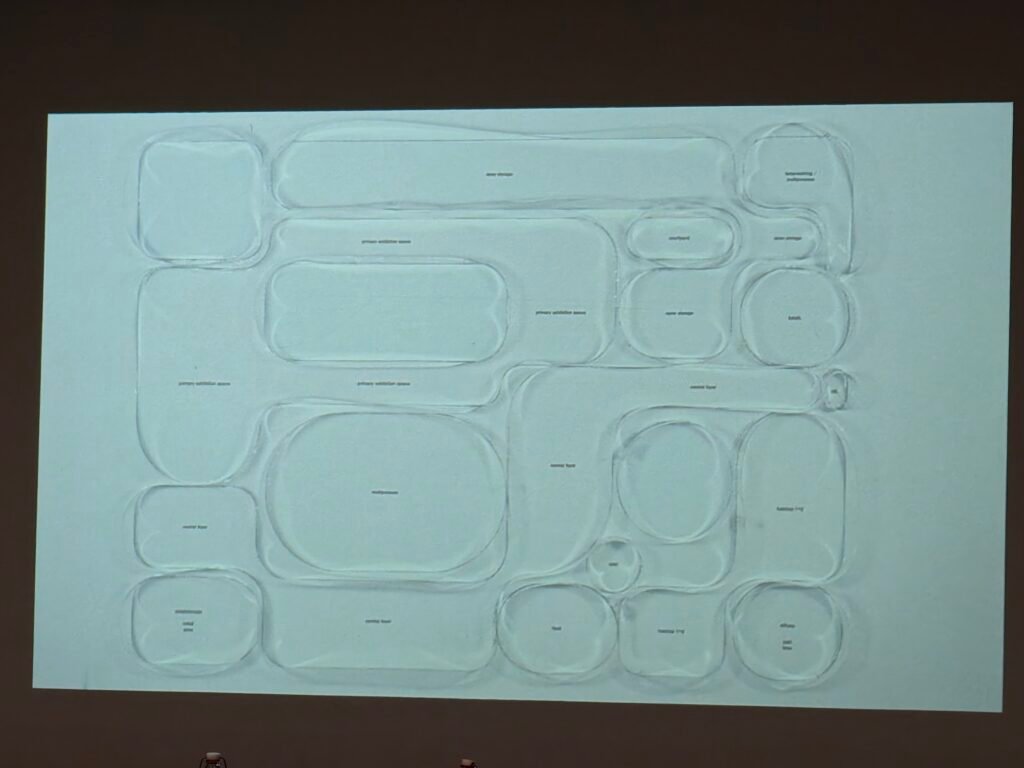
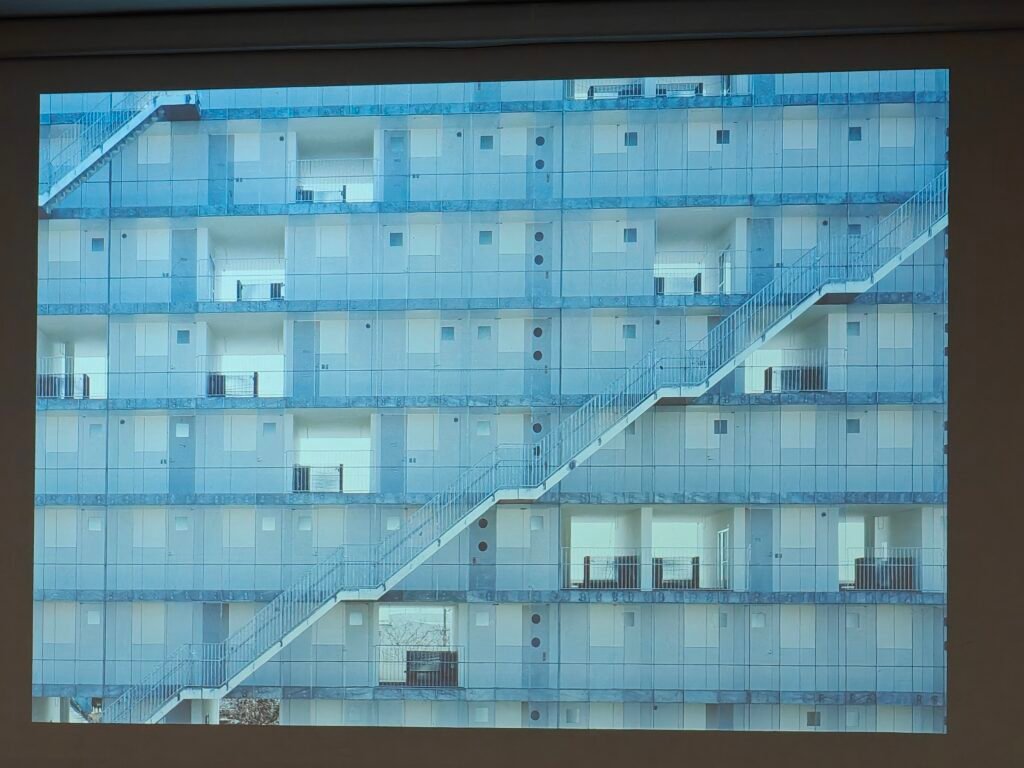
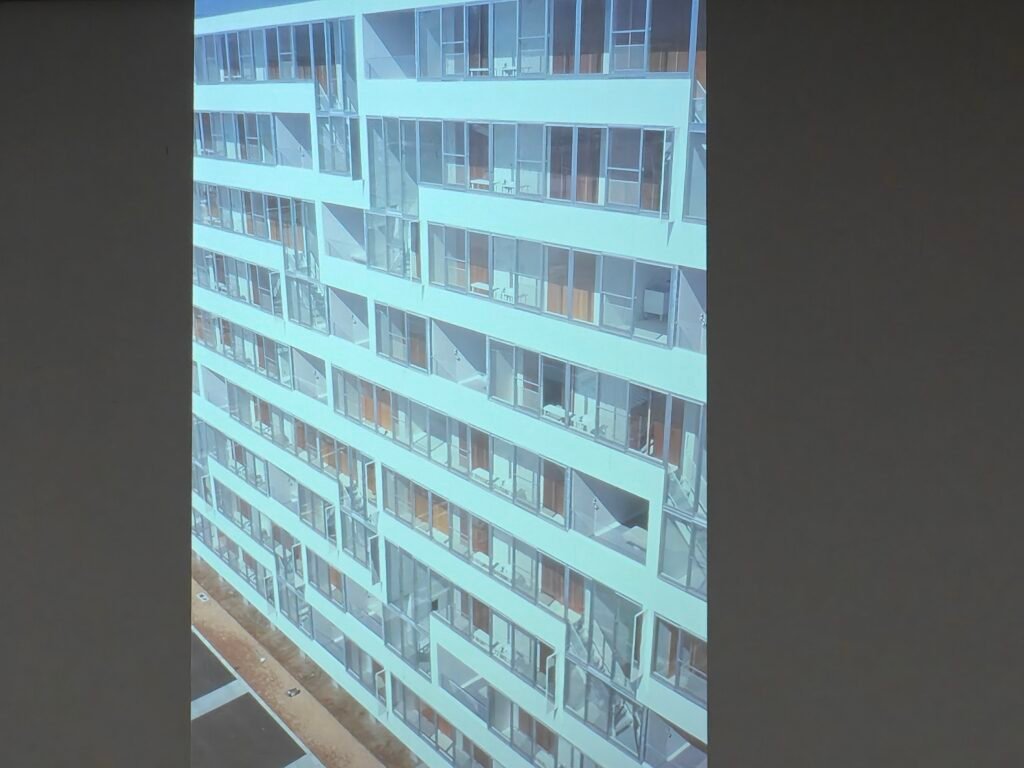
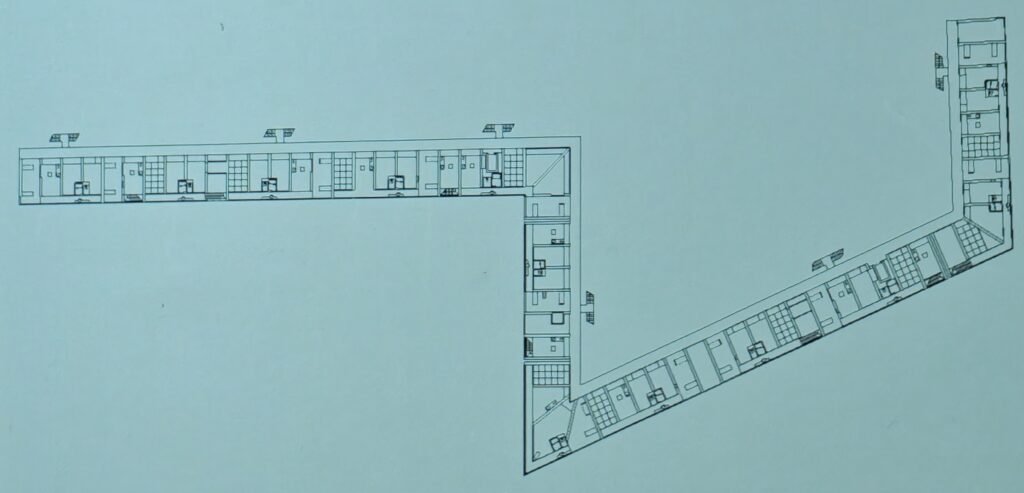
Through a series of projects, Sejima demonstrated how her design approach prioritizes openness, flexibility, and human interaction. From experimental residential projects to large-scale housing developments, she highlighted her interest in redefining spatial relationships—such as creating shared yet flexible living environments that allow individuals to maintain both connection and privacy.
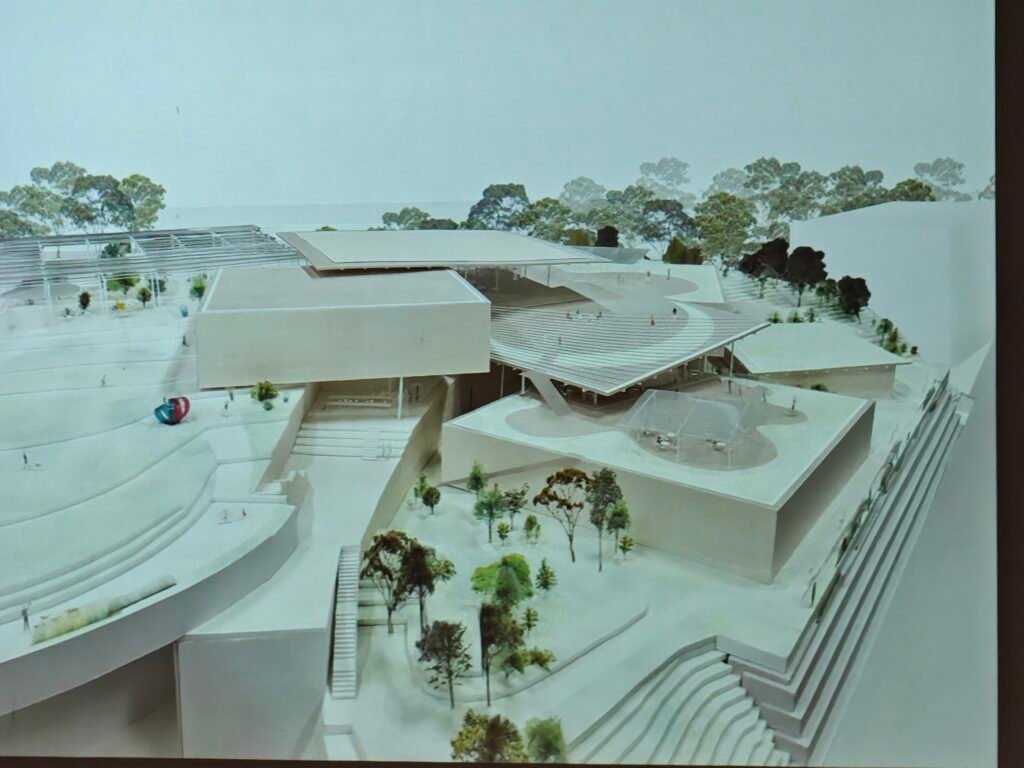
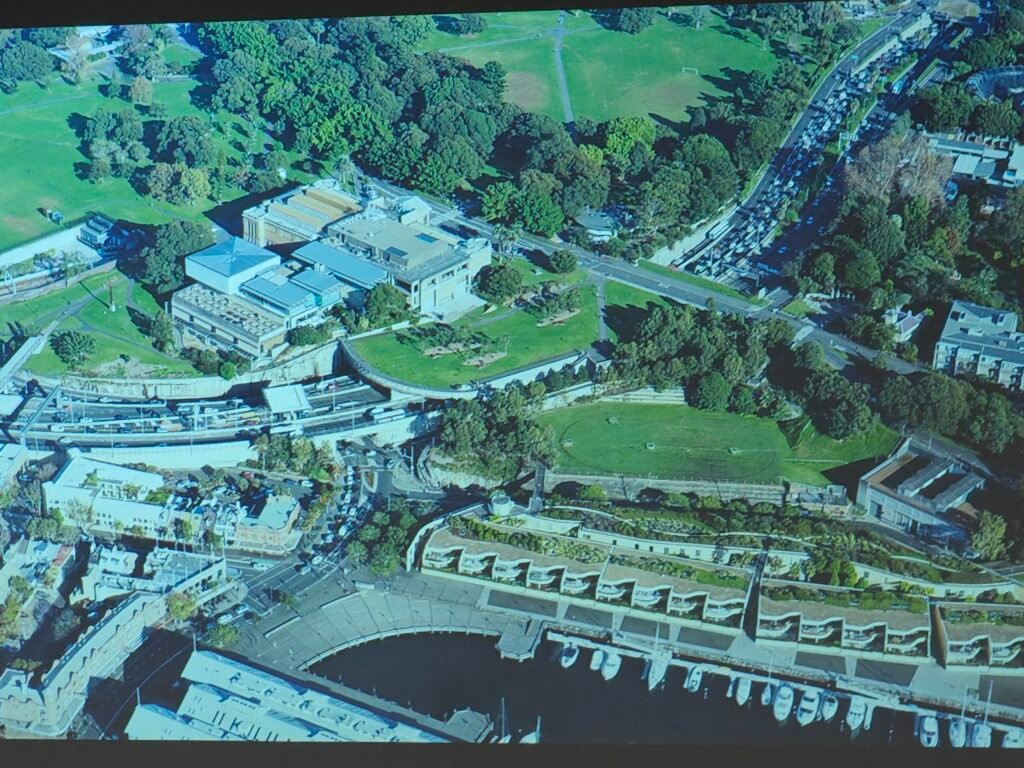
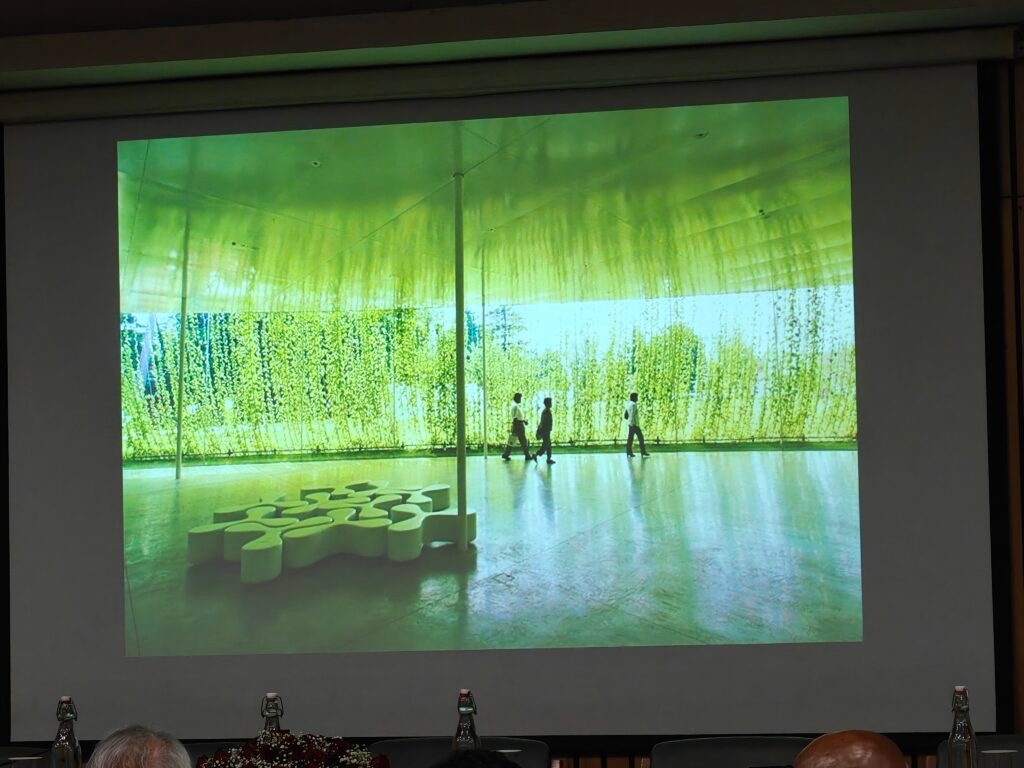
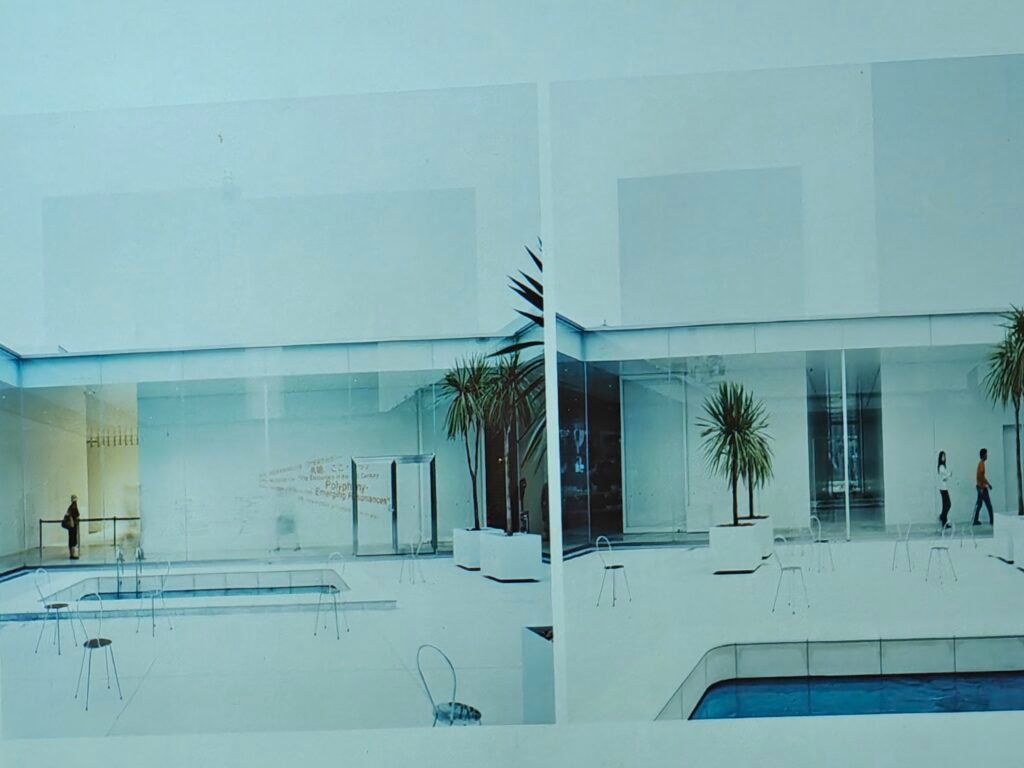
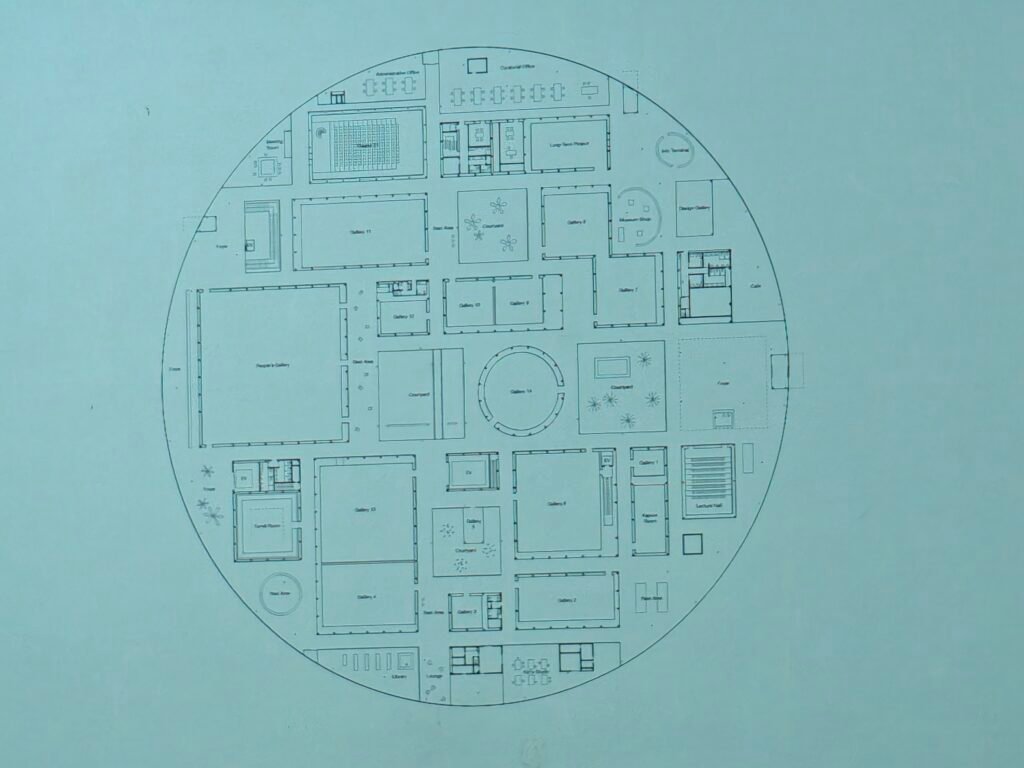
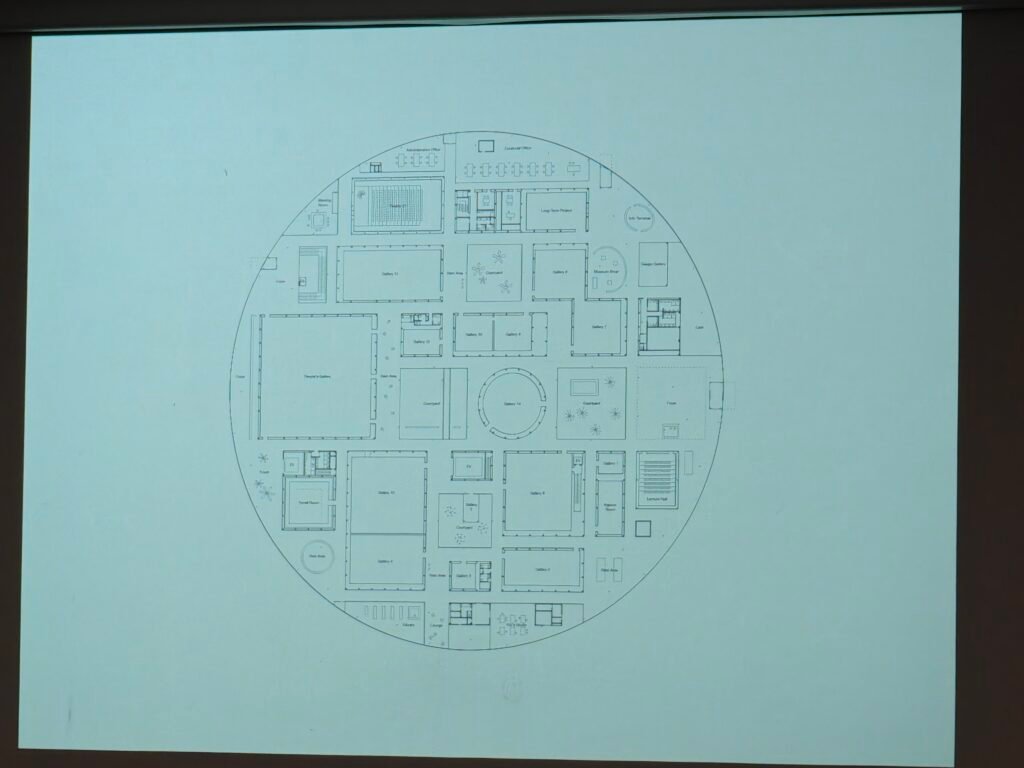
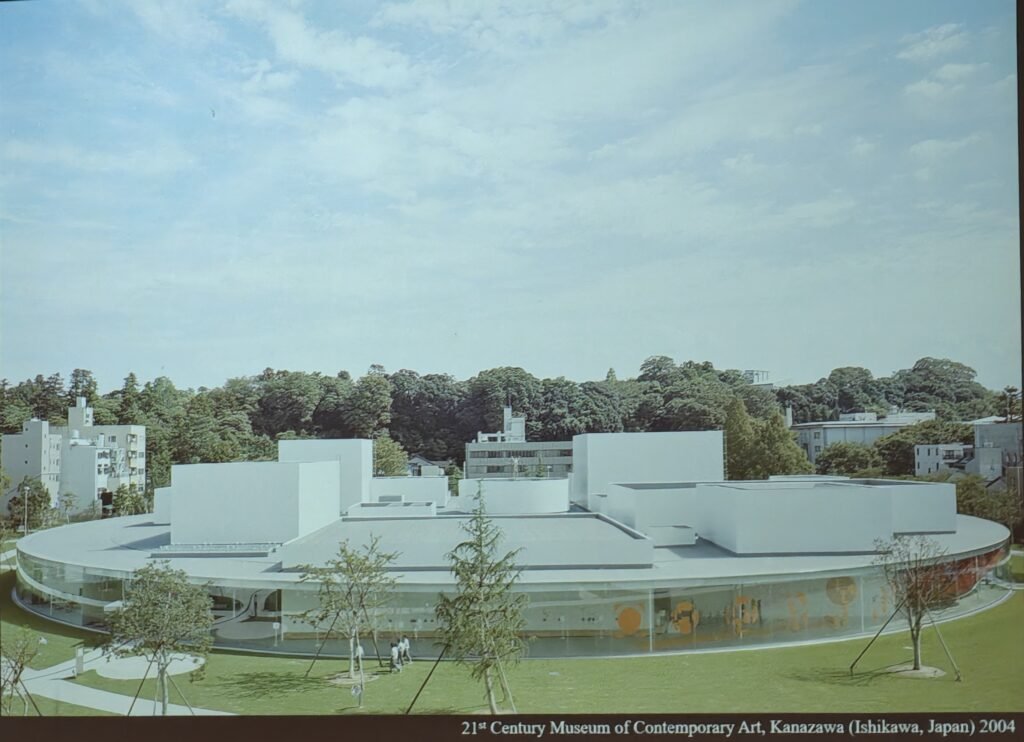
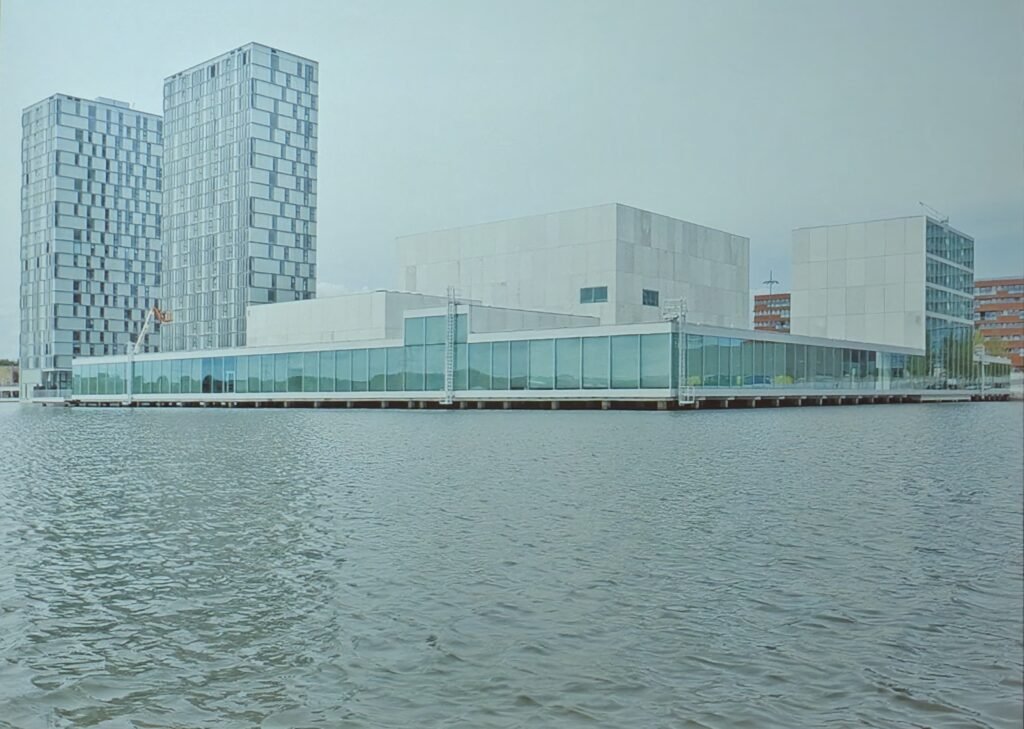
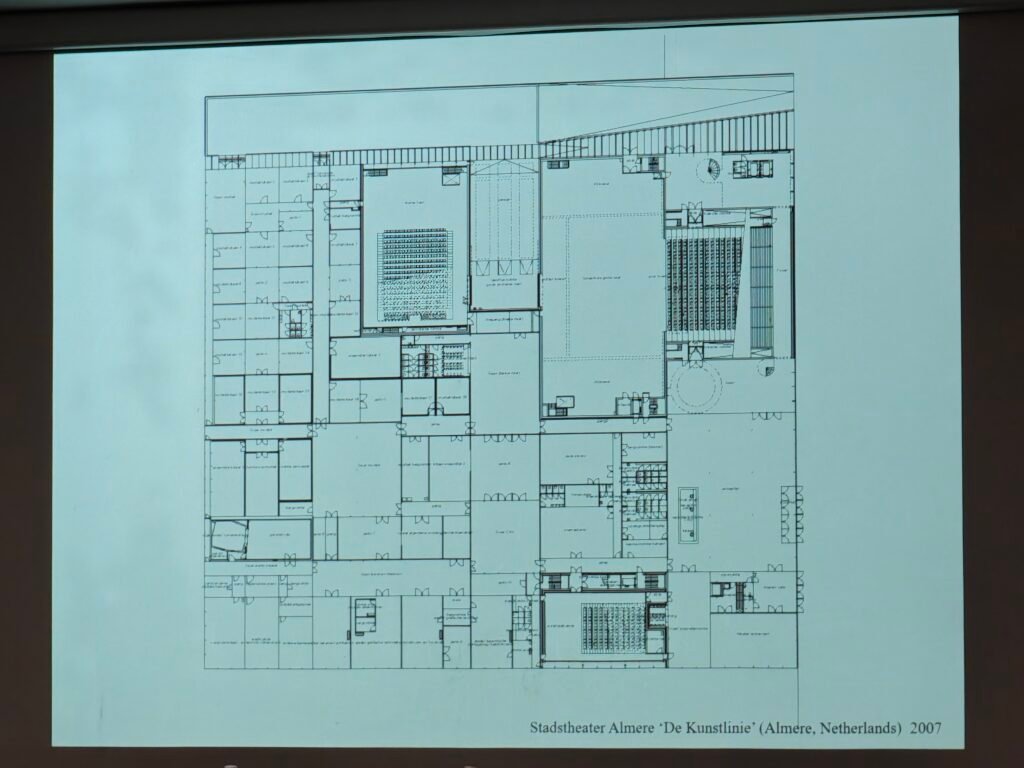
Her work on cultural and institutional buildings further illustrated this philosophy. Projects like community learning centers, museums, and public buildings were presented as spaces without rigid boundaries—often eliminating traditional corridors and instead introducing fluid circulation areas that encourage interaction and exploration. She emphasized transparency, lightness, and the use of minimal structural elements to create environments that feel both open and interconnected.
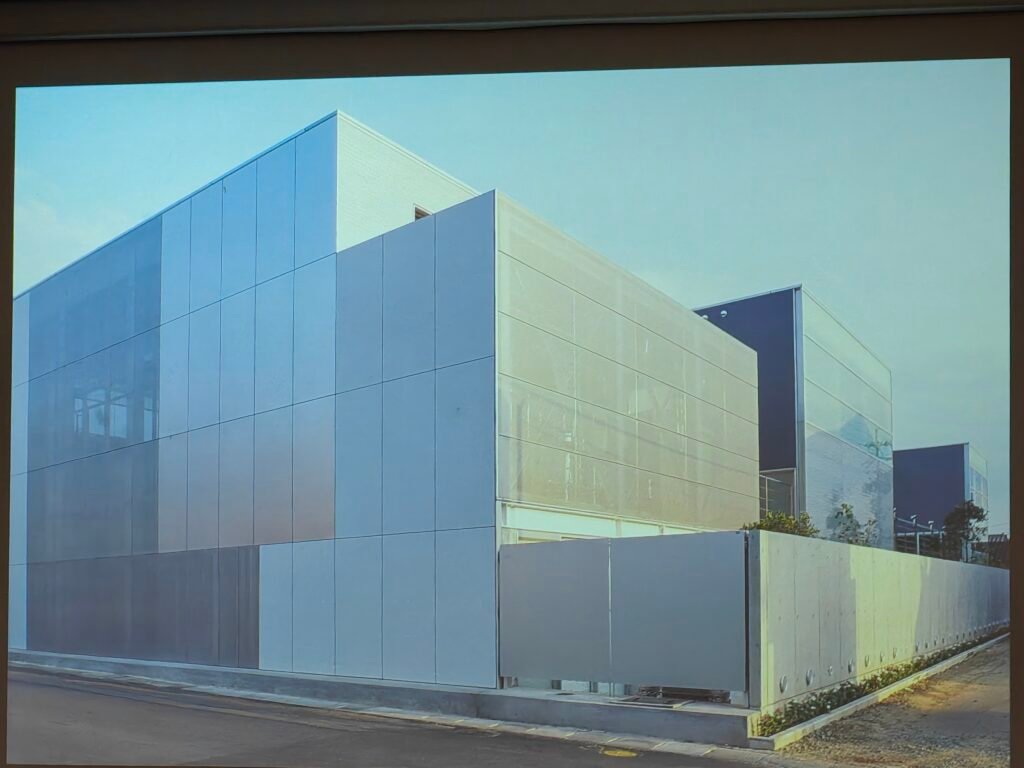
A recurring theme in her lecture was the idea of “liminality”—spaces that exist between defined boundaries. Sejima described how her buildings often appear visually light or even “invisible,” blending into their surroundings while maintaining a strong spatial presence. This approach allows architecture to act not as an object, but as a medium for human experience and social engagement.
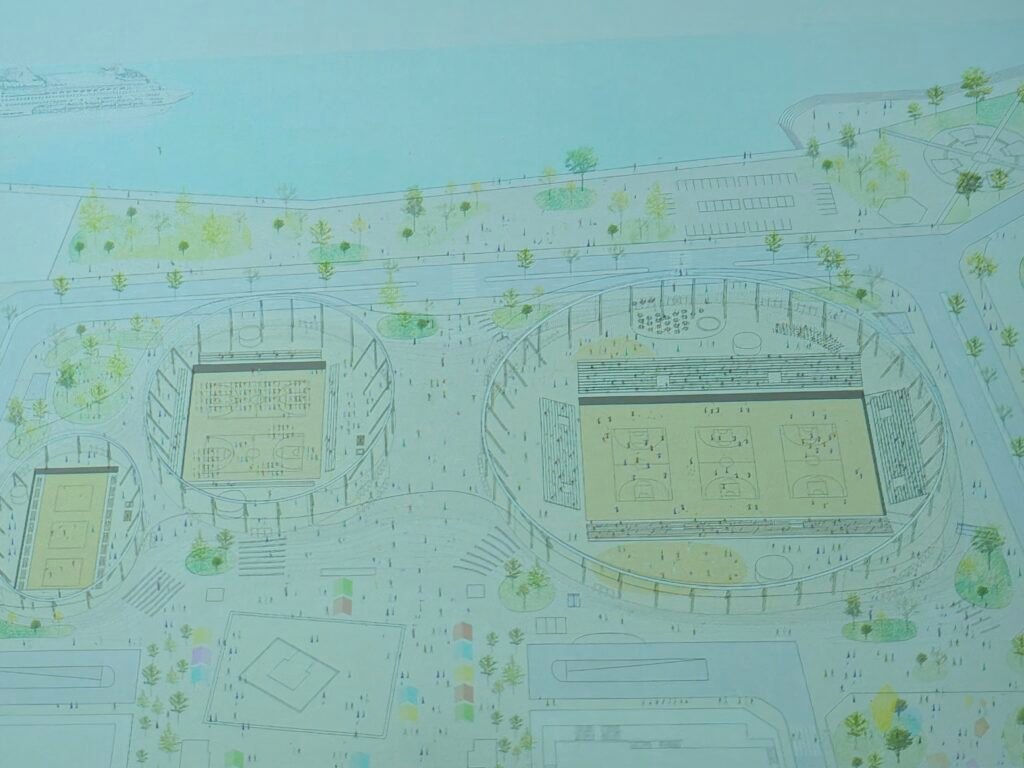
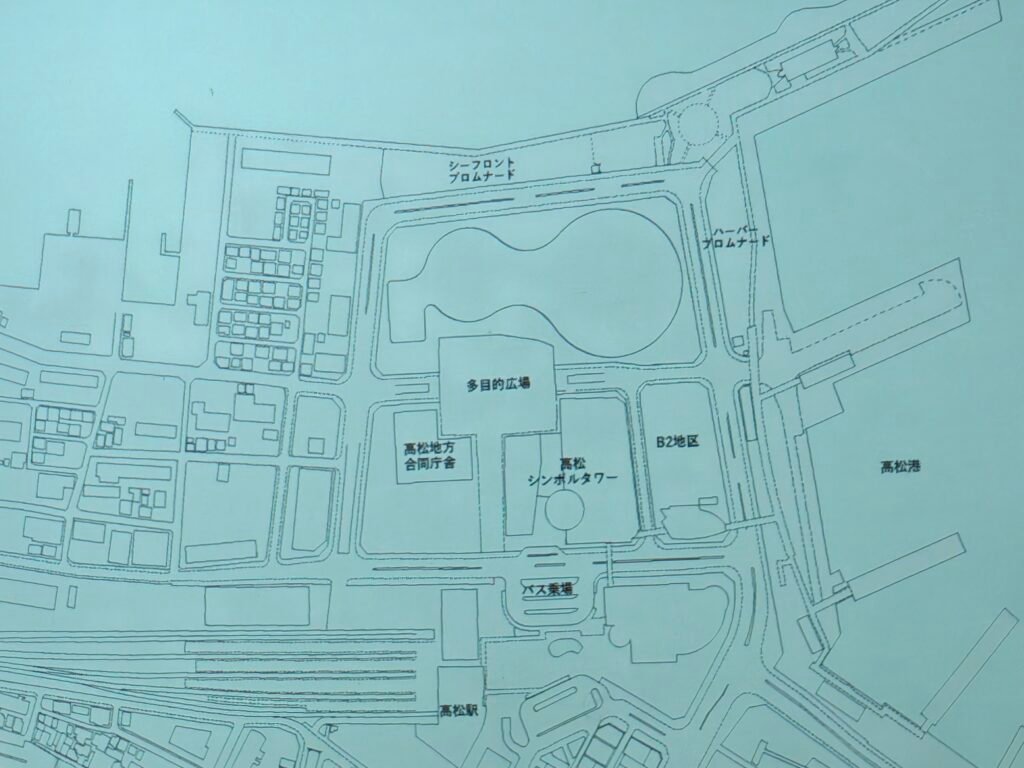
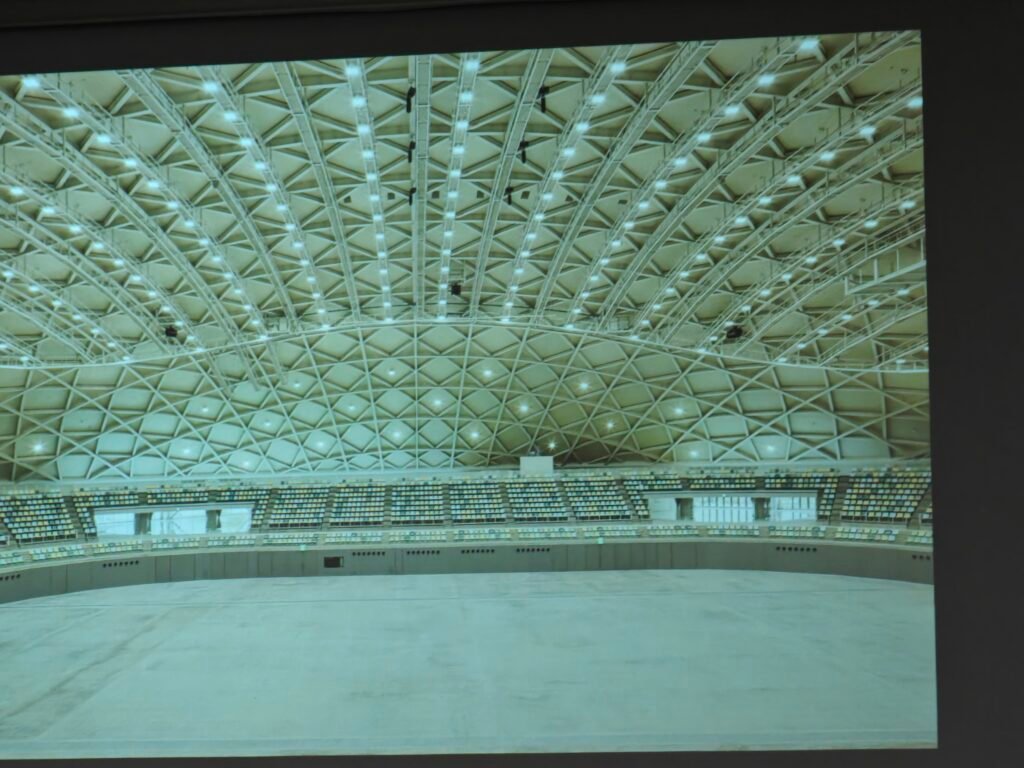
She also discussed her experimentation with large-scale projects, where the challenge lies in maintaining human-scale experiences within expansive built environments. By integrating courtyards, open circulation paths, and landscape elements, she creates buildings that function as extensions of the city rather than isolated structures.
The lecture concluded with reflections on the future of architecture, where adaptability, environmental responsiveness, and user interaction will play increasingly central roles. Sejima emphasized that architecture should not merely provide shelter but actively shape relationships between people, communities, and their surroundings.
The event marked a significant moment for architectural discourse in India, reinforcing the importance of global collaboration and knowledge exchange in addressing contemporary urban and environmental challenges.
TheAPN attended this event in person. The coverage distils the principal ideas and deliberations for the benefit of a wider public audience.