

Cities across India are increasingly adopting integrated waste management, citizen participation and digital technologies to build cleaner, greener and more resource-efficient urban systems, according to a recent PIB backgrounder on urban transformation. The initiatives highlight how waste is being treated not merely as a disposal challenge but as a potential source of energy, materials, employment and carbon value.
Goa Converts Waste into Energy
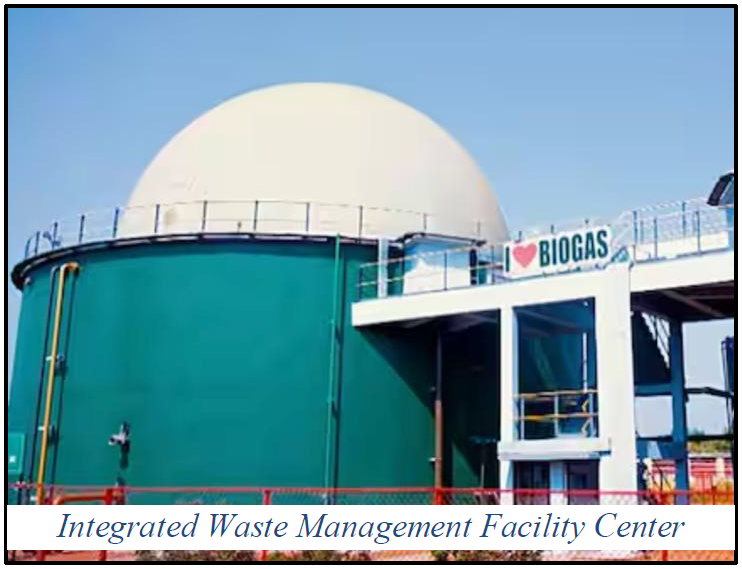
At Saligao in Goa, the Integrated Waste Management Facility has transformed a former garbage dump into an integrated waste-management hub spread across 113,000 sq m. Operated by the Goa Waste Management Corporation, the facility processes around 250 metric tonnes of wet and dry waste every day. Organic waste is converted into biogas for electricity generation, while recyclable materials are recovered from dry waste and residual material is sent to cement factories for co-processing. The plant also produces 7–8 tonnes of compost daily for gardening and reforestation activities.
Gandhinagar Focuses on Citizen Participation
Gandhinagar has adopted a community-driven approach to its zero-waste efforts. During activities organised from September 2 to 7, 2026, initiatives promoting the principles of Reduce, Reuse and Recycle were conducted at 25 locations, directly engaging more than 600 citizens. Social media campaigns reached more than 40,000 people.
The city also encouraged the collection of used clothes, which were converted into reusable carry bags by women from local self-help groups. School-focused campaigns, quizzes and doorstep collection through a Reduce, Reuse, Recycle van further strengthened public participation.
Kakinada Uses Technology for Waste Collection
Kakinada in Andhra Pradesh has integrated digital technologies into its municipal waste-management system. The city generates around 144 tonnes of waste daily and manages collection across 50 wards divided into 382 micro pockets.
An Online Waste Management System tracks collection in real time, supported by RFID, GPS, facial recognition and a human resource management system. RFID-enabled tags installed at waste generators allow collection activities to be recorded and monitored. According to the PIB backgrounder, the system has helped Kakinada achieve 100% door-to-door waste collection, while around 60% of residents segregate waste at source.
Ghaziabad Links Waste Management with Carbon Value
Ghaziabad is pursuing a carbon-credit approach alongside improvements in municipal services. The Ghaziabad Municipal Corporation has registered for an international carbon-credit project and has adopted measures including energy-efficient LED streetlights and wet-waste composting.
The backgrounder states that these measures are expected to reduce carbon dioxide emissions by approximately 2.7 lakh tonnes, corresponding to 2.7 lakh carbon credits. Certified credits can potentially be converted into revenue through international carbon markets.
Moving Towards Resource-Efficient Cities
The experiences of Goa, Gandhinagar, Kakinada and Ghaziabad illustrate different approaches to sustainable urban management—from waste-to-energy and composting to citizen participation, digital monitoring and carbon-value creation. The PIB backgrounder concludes that combining technology, municipal systems and community participation can help cities become cleaner, more circular and resource-efficient.
Join our WhatsApp Channel for fastest updates: Join now