

The Delhi Regional Chapter (DRC) of the Institute of Town Planners, India (ITPI) organised a Brainstorming Session on “Future Prospects of Planning” at Aryabhatt DSEU Campus, Ashok Vihar, bringing professional insight directly to architecture students. The session aimed to broaden students’ understanding of spatial planning beyond classroom theory and introduce them to sustainability-led and entrepreneurial pathways in the built environment.
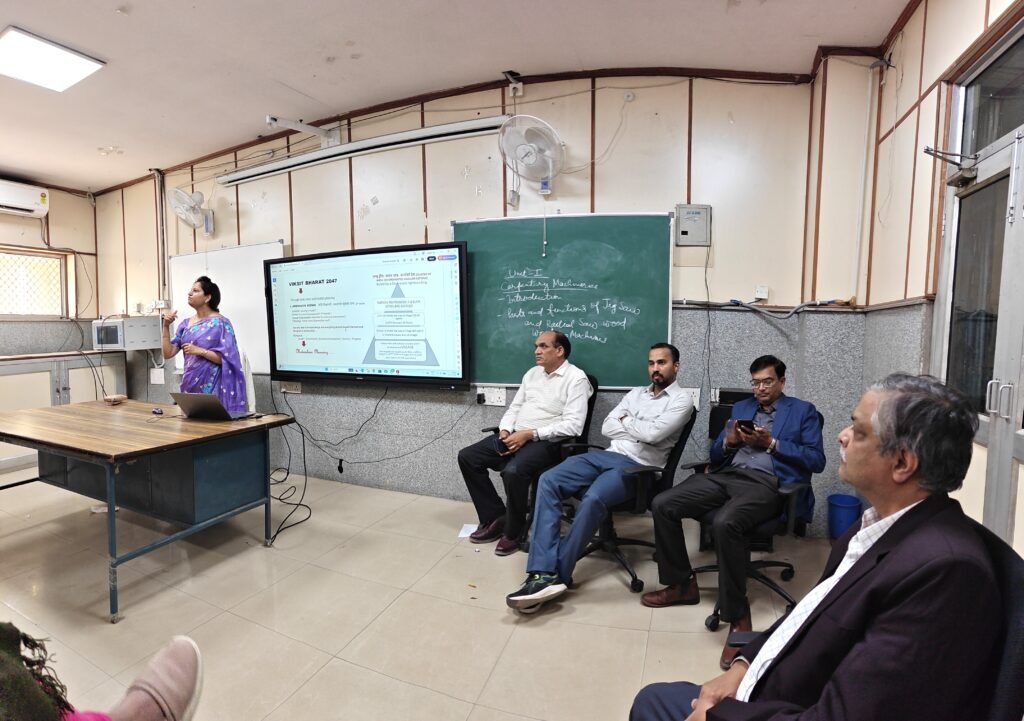
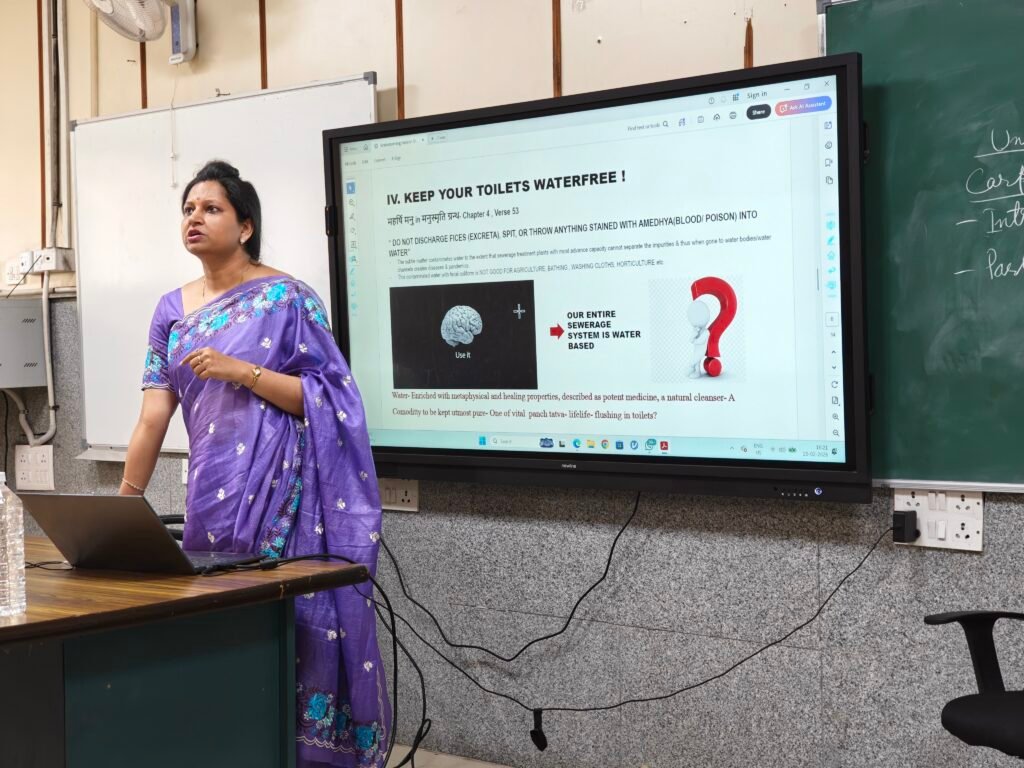
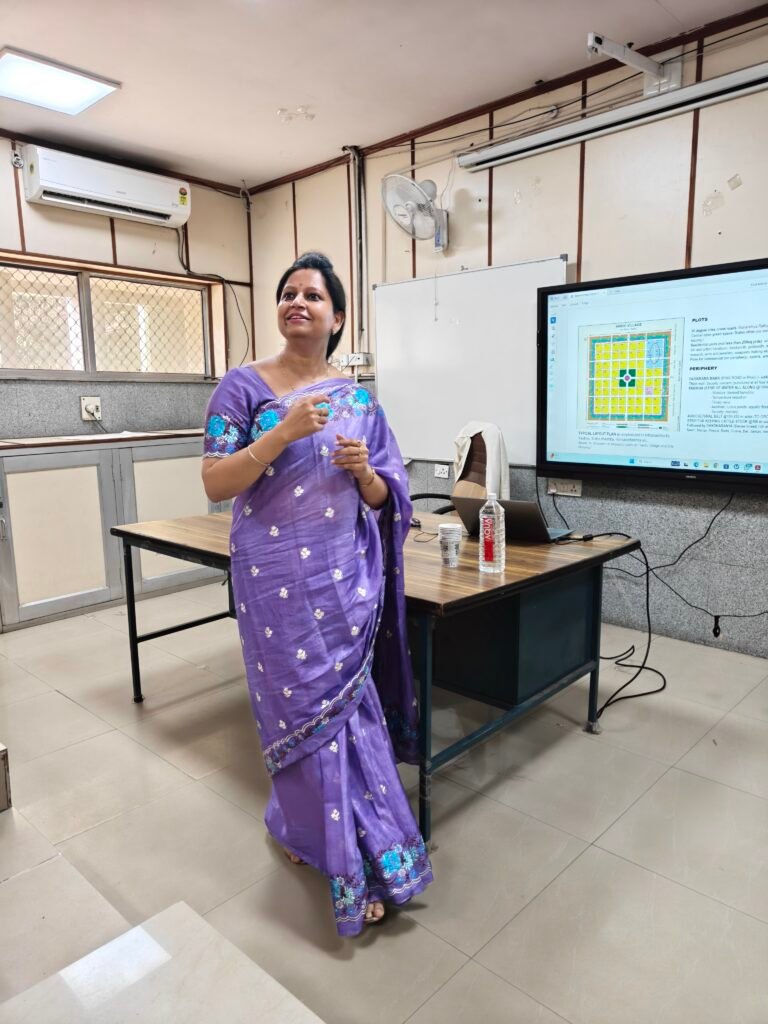
The programme was inaugurated in the presence of the Campus Director and coordinated by Ar. Suneet, Faculty & Programme Coordinator, Department of Architecture. Organisers described the platform as one that “melts disciplines and encourages a holistic approach.”
Reimagining Settlement Structures
The keynote address by Ms. Alka Arya, Chairperson – DRC ITPI and Director, DDA, explored how future-ready planning can draw lessons from indigenous settlement systems. Linking the discussion to the vision of Viksit Bharat 2047, she presented a decentralised model of development structured around self-sufficient planning units.
She outlined a hierarchical framework beginning with a village designed for a carrying capacity of approximately 20,000 residents, progressing to towns, cities, and clusters of cities forming a larger national structure. Such distributed growth, she argued, ensures balanced population density, local governance autonomy, and ecological resilience.
A conceptual village layout highlighted key elements: proportional geometry, a central open core (Brahmasthan) for ventilation and solar access, peripheral circulation routes promoting social surveillance, and a mandatory surrounding water body (parikha). The water system, she noted, performs multiple functions—groundwater recharge, temperature moderation, humidity balance, and ecological enhancement—while also contributing to settlement security.
Ecology as Infrastructure
A central theme of the session was the urgent need to treat soil and water as foundational infrastructure. Addressing soil degradation and declining organic carbon levels, Ms. Arya emphasised integrating agricultural belts, cattle corridors, and forest buffers within planning frameworks.
She explained natural farming approaches that rely on nutrient cycles rather than chemical inputs and cited indigenous water restoration practices that have successfully revived polluted water bodies. The broader message was clear: sustainable planning must restore ecological systems rather than merely manage their decline.
Energy discussions also challenged conventional thinking. Instead of focusing solely on expanding energy production, the session advocated reducing energy demand through better design—citing cycling infrastructure, low-energy campuses, and decentralised mobility systems as practical examples.
Sanitation systems were similarly re-examined. Alternatives to water-intensive sewage networks, including compost-based solutions, were discussed as viable, resource-efficient options. Students were encouraged to question inherited infrastructure models and rethink sustainability at the systems level.
Planning as Enterprise
The second segment, led by Prof. Srinivas Naik, shifted attention to skills and entrepreneurship. Emphasising that government jobs cannot absorb all graduates, he urged students to explore private practice, self-employment, and enterprise creation within architecture and planning.
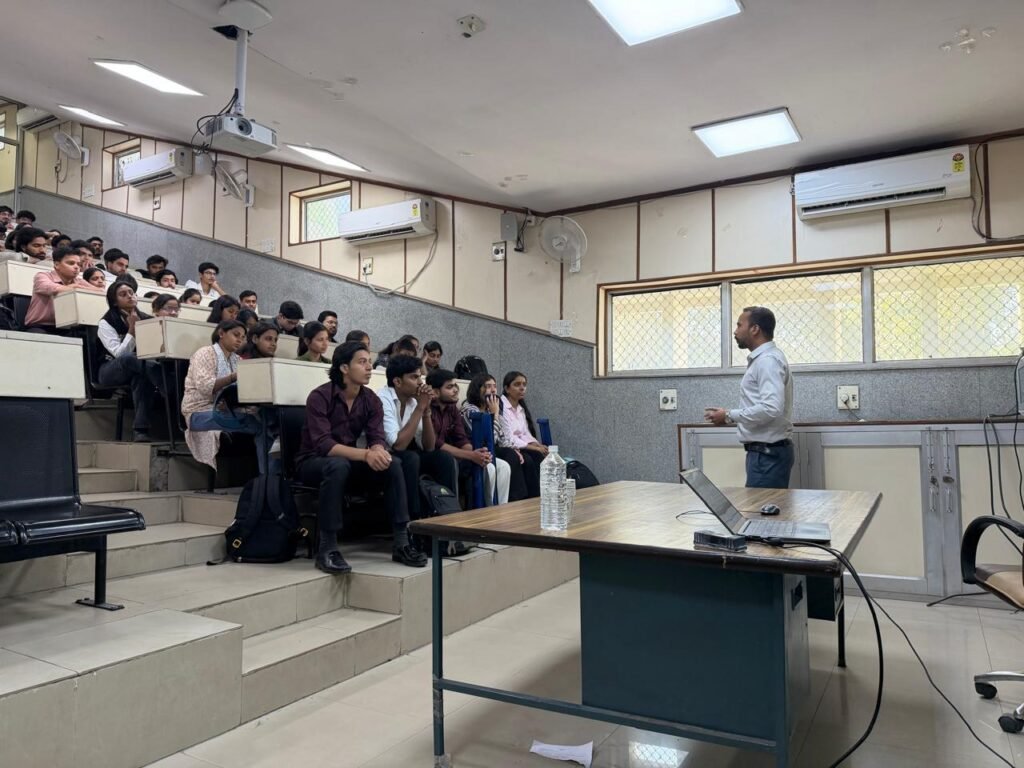
Infrastructure, he explained, functions as an economic multiplier, generating employment across industries. Sustainability was framed through its three pillars—environmental, social, and economic—and students were introduced to mechanisms such as Corporate Social Responsibility (CSR) funding, NGO registration frameworks, tendering processes, and regulatory tools including Development Control Regulations (DCR) and Transferable Development Rights (TDR).
The emphasis was on building workable, financially sustainable models. “Identify problems in your locality and create tested solutions,” he advised, stressing that ideas must be supported by documentation, regulatory understanding, and viable cash flow strategies.
A Platform for Critical Engagement
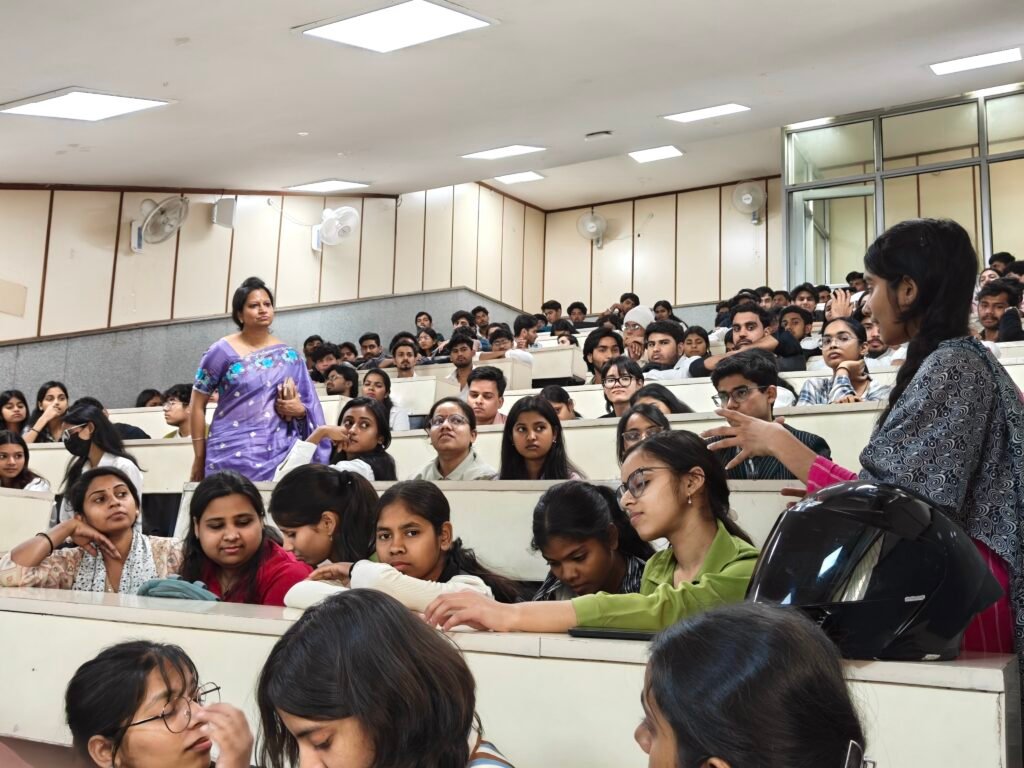
The session concluded with an interactive Q&A, reflecting active student engagement on issues ranging from energy technologies to environmental regulation. By combining ecological philosophy with regulatory awareness and entrepreneurial strategy, the collaboration positioned planning as a multidimensional discipline—one that designs not just buildings, but sustainable ecosystems.
TheAPN played a facilitative role in enabling this collaboration between DRC–ITPI and Aryabhatt DSEU and attended the session to document and publish its key deliberations. Through this coverage, TheAPN continues its mission of connecting academia, policy institutions, and emerging professionals in the built environment.
Also Read: Architecture Matters X: Where Shastra Meets Science Rethinking Heritage Conservation in India