

Lucknow, the capital of Uttar Pradesh, has achieved a major milestone in urban sustainability by becoming the state’s first zero fresh waste dump city. This achievement follows the inauguration of the Shivari Solid Waste Management (SWM) Plant, enabling 100% scientific processing of municipal solid waste under the Swachh Bharat Mission-Urban, according to the Press Information Bureau (PIB).
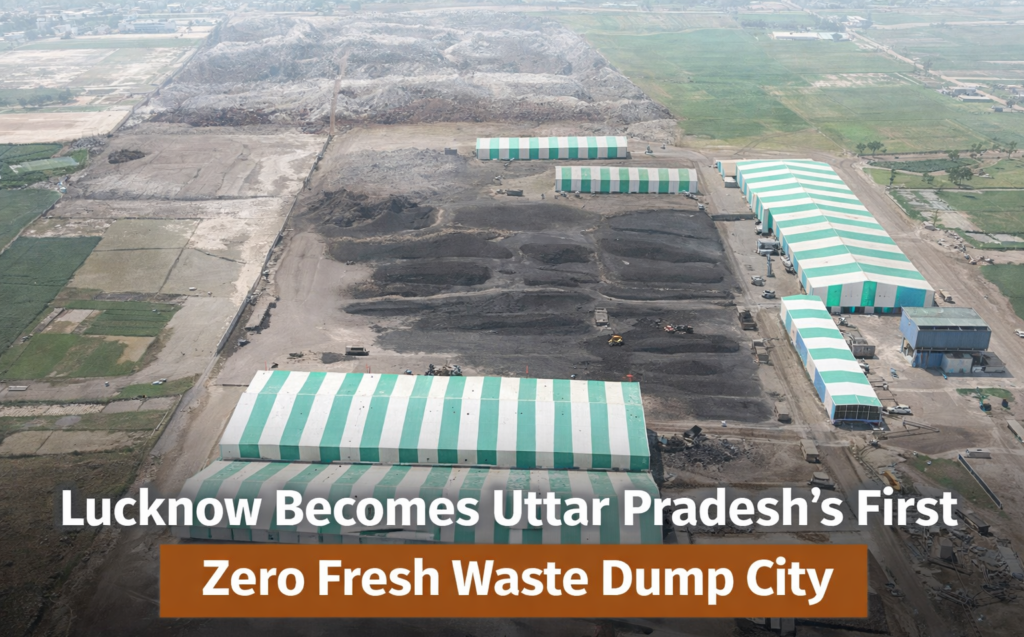
The city, home to nearly 40 lakh residents and around 7.5 lakh establishments, generates close to 2,000 metric tonnes of waste daily. With the commissioning of the Shivari plant—Lucknow’s third fresh waste processing facility—the Lucknow Municipal Corporation now has the capacity to process over 2,100 metric tonnes of waste per day, effectively eliminating the practice of open dumping.
Scientific Waste Processing and Resource Recovery
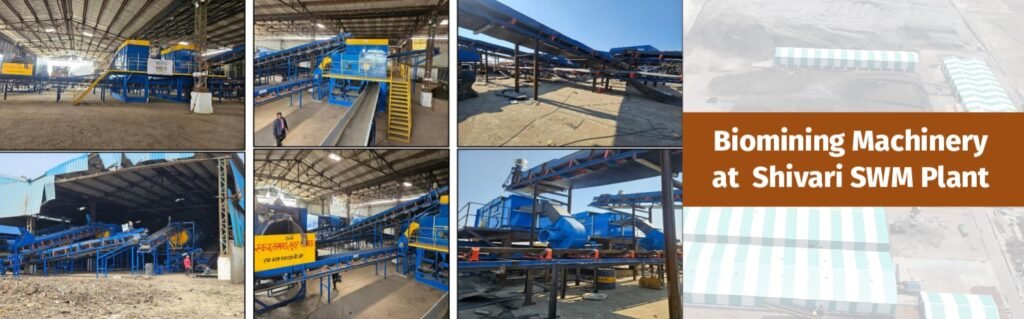
Each of the three waste processing plants in the city has a capacity of 700 MT per day, developed in collaboration with Bhumi Green Energy. Waste is segregated into organic (55%) and inorganic (45%) fractions. Organic waste is converted into compost and biogas, while inorganic waste is recycled or transformed into Refuse Derived Fuel (RDF) for use in cement and paper industries. Door-to-door waste collection efficiency has improved to 96.53%, with source segregation levels exceeding 70%.
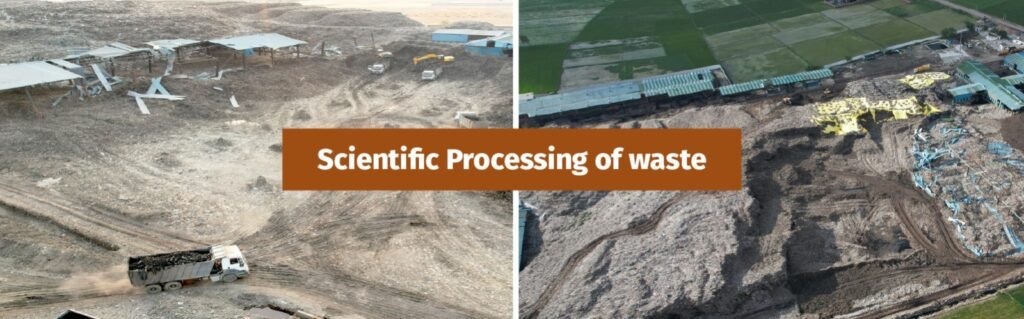
Legacy Waste Remediation and Land Reclamation
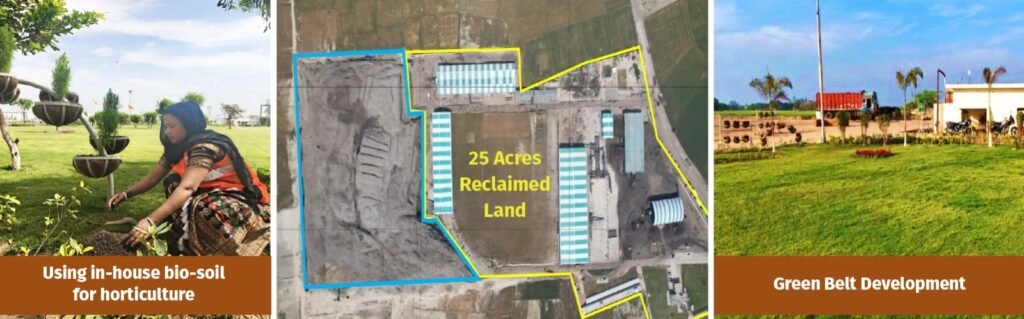
From approximately 18.5 lakh metric tonnes of legacy waste, around 12.86 lakh metric tonnes have already been scientifically processed. This has resulted in the recovery of RDF, bio-soil, coarse fractions, and construction & demolition waste, all reused through recycling, co-processing, or environmentally safe landfilling. Notably, over 25 acres of land have been reclaimed at the Shivari site and redeveloped into a fully functional waste processing ecosystem.
Future Plans: Waste-to-Energy
Looking ahead, the Lucknow Municipal Corporation is planning a 15 MW Waste-to-Energy (WtE) plant at Shivari. The proposed facility will utilize 1,000–1,200 metric tonnes of RDF daily to generate electricity, reducing both transportation costs and reliance on distant cement plants located nearly 500 km away.
A Model for Sustainable Cities
Implemented under the guidance of the Ministry of Housing and Urban Affairs, Lucknow’s waste management model reflects strong adherence to circular economy principles, focusing on resource recovery, reduction of legacy waste, and sustainable urban development. The city’s transformation now stands as a replicable model for other Indian cities aiming to strengthen their environmental and public health outcomes.
Also Read: Waste to Wellness: India’s Sanitation Journey Strengthens Under Swachh Bharat Mission 2025