

India’s rapidly expanding tunnels infrastructure is redefining how the country overcomes geographical barriers, strengthens strategic connectivity, and supports economic growth. From high-altitude Himalayan passes to underwater urban corridors, tunnel projects are emerging as critical components of India’s modern infrastructure push, enabling all-weather mobility and resilient transport networks.
Over the past decade, tunnelling in India has evolved from conventional drill-and-blast techniques to advanced engineering systems supported by real-time geological monitoring, precision excavation, and integrated safety controls. This transformation has allowed engineers to construct longer, deeper, and safer tunnels in some of the world’s most challenging terrains, including fragile Himalayan geology and dense urban environments.
Why Tunnel Infrastructure Matters
Tunnel development is no longer limited to improving travel time. These projects play a multi-dimensional role by:
- Ensuring year-round connectivity to remote and border regions
- Enhancing defence logistics and emergency access
- Reducing landslide, avalanche, and weather-related disruptions
- Supporting regional development, tourism, and trade
- Improving urban mobility through metro and rail corridors
Technology Driving India’s Tunnel Revolution
Modern Indian tunnels are designed as high-tech transport corridors equipped with advanced ventilation systems, emergency escape routes, fire suppression units, LED lighting, CCTV surveillance, and centralised tunnel control rooms. Key construction technologies include Tunnel Boring Machines (TBMs) for urban and long-distance projects, and the New Austrian Tunnelling Method (NATM), particularly effective in variable Himalayan rock formations. Integrated Tunnel Control and Management Systems now ensure 24/7 operational safety and disaster readiness.
Landmark Tunnel Projects Across India
Among the most notable achievements is the Atal Tunnel beneath the Pir Panjal range, which provides all-weather connectivity between Manali and Lahaul-Spiti and holds the record for the world’s longest highway tunnel above 10,000 feet. In Jammu and Kashmir, the Sonamarg (Z-Morh) Tunnel, Banihal–Qazigund Tunnel, and Dr Syama Prasad Mookerjee Tunnel have significantly reduced travel distances and improved regional accessibility.
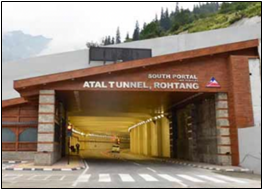
Rail infrastructure has also seen historic progress with the 12.77-km Tunnel T50 under the Udhampur–Srinagar–Baramulla Rail Link (USBRL), now among India’s longest transportation tunnels. In urban India, Kolkata’s first underwater metro tunnel beneath the Hooghly River represents a major milestone in underground transit engineering.
The Next Wave of Mega Tunnels
Several upcoming projects are set to further reshape India’s connectivity map. The Zojila Tunnel, once completed, will become India’s longest road tunnel and Asia’s longest bi-directional tunnel, ensuring uninterrupted access between Ladakh and the rest of the country. Meanwhile, the Mumbai–Ahmedabad High-Speed Rail corridor has marked a breakthrough with its undersea tunnel section, reflecting India’s entry into next-generation rail engineering.
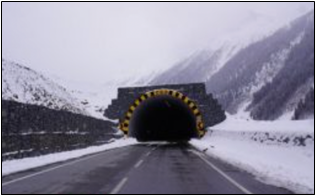
In the Himalayas, the Rishikesh–Karnaprayag rail project stands out for its scale, with over 200 km of tunnelling designed to minimise environmental impact while ensuring long-term stability in sensitive mountain terrain.
Looking Ahead
India’s expanding tunnel network signals a decisive shift toward smarter, safer, and more resilient infrastructure. By addressing long-standing connectivity challenges and integrating cutting-edge engineering solutions, these projects are redefining the relationship between geography and development. As new tunnels become operational, they are expected to strengthen national integration, enhance mobility, and support sustainable regional growth across the country.
Also Read: Mumbai-Ahmedabad Bullet Train: First Major Tunnel Breakthrough Achieved