

Delhi: The Commission for Air Quality Management (CAQM) has issued Statutory Direction No. 98, mandating a uniform particulate matter (PM) emission standard of 50 mg/Nm³ for identified industries across Delhi-NCR. The move aims to curb industrial stack emissions, a major contributor to deteriorating air quality in the National Capital Region.
The decision follows recommendations of the Central Pollution Control Board (CPCB), based on technical studies conducted by IIT Kanpur and assessments by CPCB’s Technical Committee. According to the Commission, the revised emission threshold of 50 mg/Nm³ is both technically achievable and environmentally necessary, and is expected to substantially reduce industrial pollution levels
Industries Covered Under the Revised Norms
The new standard will apply to:
- 17 categories of highly polluting industries identified by CPCB
- Red category (medium and large) air-polluting industries
- Food and food processing units
- Textile industries operating boilers/thermic fluid heaters
- Metal industries with furnaces operating in Delhi-NCR
However, the direction clarifies that industries already subject to stricter standards (below 50 mg/Nm³) under existing statutory provisions will continue to comply with those tighter norms.
Implementation Timeline
The phased implementation schedule is as follows:
- Large and medium industries: Effective from August 1, 2026
- Remaining industries: Effective from October 1, 2026
Addressing a Major Pollution Source
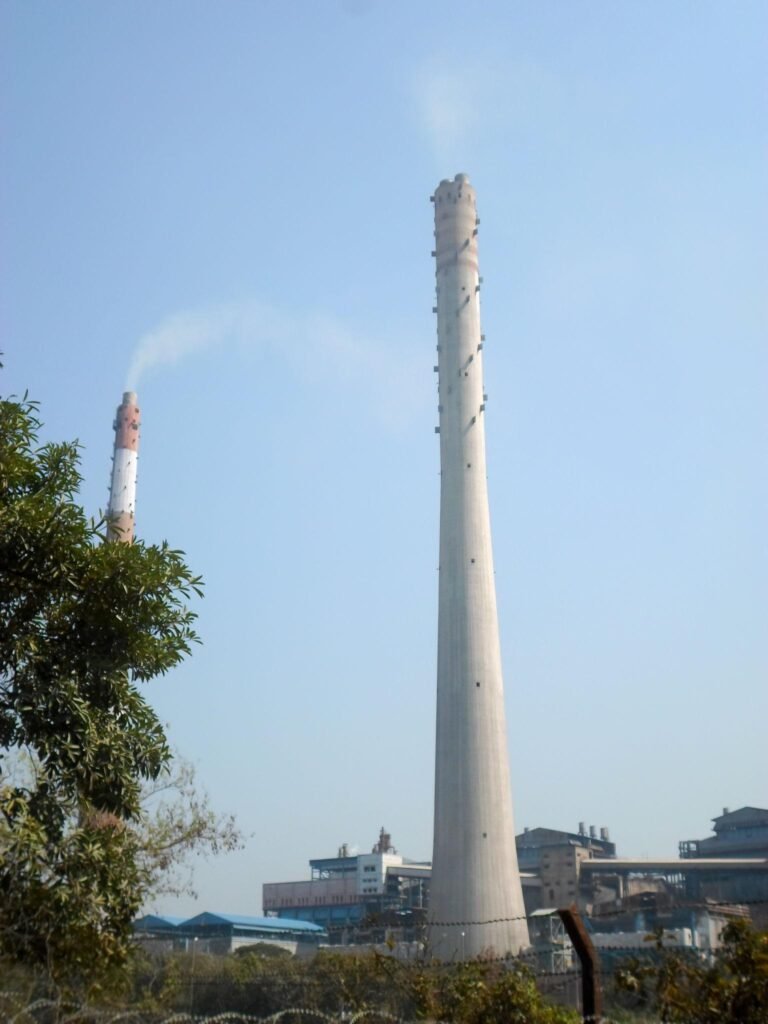
Industrial stack emissions are a significant contributor to elevated PM levels in Delhi-NCR. They not only release primary particulate pollutants but also facilitate secondary particulate formation, intensifying regional air pollution. Since its inception, CAQM has introduced several targeted measures, including mandatory cleaner fuel transitions, revised emission standards for boilers and furnaces, and approved fuel lists through statutory directions.
Compliance and Enforcement
The Commission has directed NCR State Governments, the Government of NCT of Delhi, Pollution Control Boards of Haryana, Uttar Pradesh, and Rajasthan, along with the Delhi Pollution Control Committee, to ensure strict adherence to the prescribed timelines. Authorities have also been instructed to undertake intensive Information, Education, and Communication (IEC) activities to sensitise industries and stakeholders regarding the revised standards.