

Dear 2026, I am a metro city of India. I never sleep, yet I am exhausted. By dawn, my local trains and roads are already over flowing, and by night, my flyovers glow like arteries under constant strain. I am admired for my scale, speed, and ambition. From a distance, I appear unstoppable, but from within, I feel stretched to my limits. I am no longer just a city; I am an ecosystem carrying millions of lives, dreams, and deadlines every single day. As 2026 begins, I want to speak honestly.
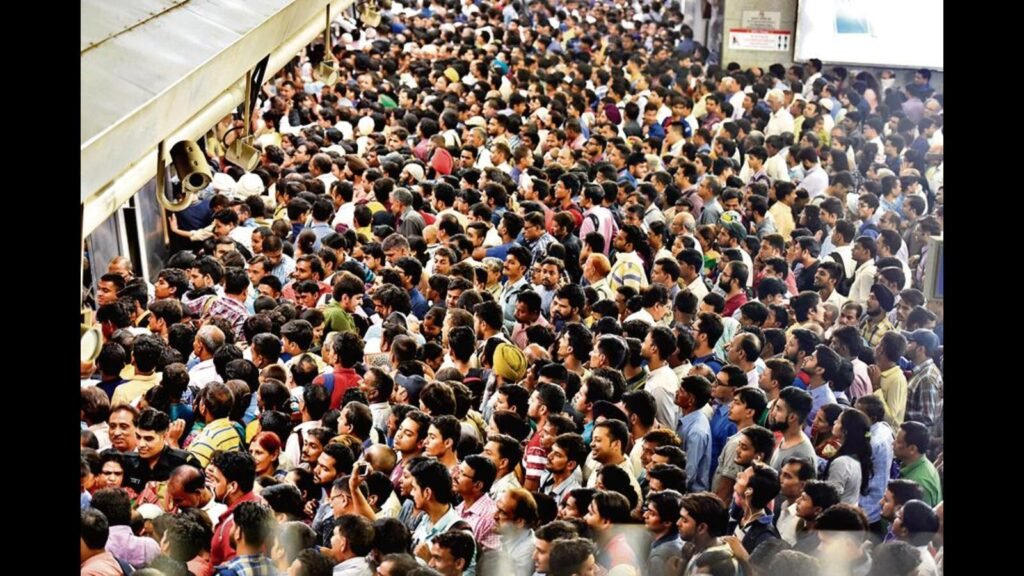

I am efficient, yet overloaded. I move people faster than most places in the country. My metro lines expand, expressways multiply, and towers rise higher each year, but congestion persists. This is not because I lack infrastructure, but because demand grows faster than balance. Every new office district pulls workers from farther away, and every premium housing project pushes affordability outward. Distance has become my quiet crisis. Mobility, after all, is not only about speed; it is about proximity.
I grow vertically because I have no choice. Land is scarce, expensive, and contested, so I rise upward towers, dense housing blocks, and stacked lives. Vertical growth has become my survival strategy. Yet density without design leads to suffocation. Sunlight struggles to reach lower floors, open spaces shrink into token parks, and social interaction retreats into elevators and corridors. Height, when unplanned, disconnects people from the ground, from community, and from context. Vertical cities must be designed with light, air, dignity, and shared spaces, not just floor area ratios.
I host international summits and attract global investment, but my drains overflow every monsoon, my wetlands are steadily built over, and my air becomes unsafe to breathe for days at a time. Climate stress here is no longer a warning—it is daily life. Natural buffers have been replaced with concrete confidence,
and I pay for it every monsoon and every heatwave. Climate stress in a mega metro is amplified; when systems fail here, millions suffer at once. Ecology is not anti-development; it is risk management.
I carry inequality side by side. Luxury and precarity share the same skyline. One tower looks over another settlement struggling for basic services. This contrast is not accidental; it is structural. Informal housing keeps my economy running. Migrant workers build me, clean me, and service me, yet many remain invisible in formal plans. A mega city cannot function if half its workforce lives in uncertainty. Housing affordability must be treated as infrastructure, not charity.
I am smart, but I question whether I am wise. Sensors, dashboards, apps, and command centres monitor me constantly, and data flows faster than ever. Yet wisdom does not come automatically. Technology helps only when governance listens. Algorithms cannot replace empathy, and a city cannot be managed like software without understanding human behavior. “Smart” must mean responsiveness, transparency, and trust.
I need fewer announcements and better streets. I do not need another vision document if footpaths remain broken, nor another mega project if drainage fails in the same neighborhood year after year. My real test lies in ordinary places: the bus stop without shade, the pedestrian crossing without signals, and the neighborhood park under pressure. Governance must value maintenance as much as expansion.
Despite everything, I remain hopeful. My people persist. They adapt, innovate, and belong. They form communities in small apartments, celebrate festivals in crowded lanes, and create space where none seems available. I am resilient because they are, but resilience should not be mistaken for acceptance. As I step into 2026, I do not ask to grow slower; I ask to grow wiser. I do not ask for less ambition; I ask for better judgement. Treat me not merely as a growth engine, but as a living system. Plan with care and I will
sustain you. Ignore my limits and I will remind you, forcefully.
— A Metro City of India
Editor’s Note: This letter reflects the reality of India’s metro cities—dynamic and aspirational, yet deeply strained. As 2026 begins, the challenge is no longer whether our cities can grow, but whether growth can finally align with liveability, equity, and ecological sense.