

Project Highlights:
- Client: Confidential
- Location: Dubai, United Arab Emirates
- Project Type: 7-Star All-Suite Hotel
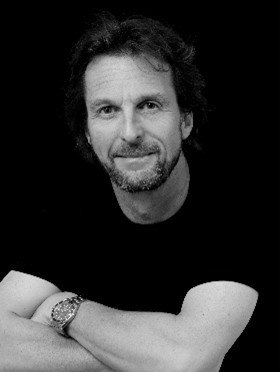
- Architect: Tom Wright
- Design Year: October 1993
- Completion: November 1999
Standing gracefully along Dubai’s coastline, Burj Al Arab remains one of the most extraordinary megastructures ever built. Conceived by architect Tom Wright, this landmark hotel was constructed over five years—three dedicated to creating an artificial island and two to building the hotel itself. Completed in 1999, it became Dubai’s first record-breaking symbol of ambition and luxury. The project involved over 3,000 contractors, 250 designers, and 3,500 workers, exemplifying the global collaboration that has shaped modern Dubai.
Architectural Vision and Form
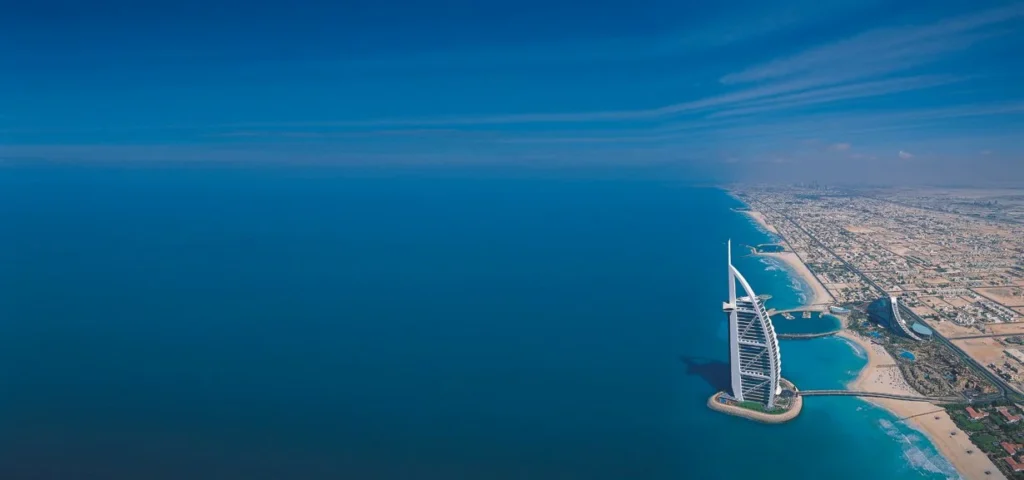
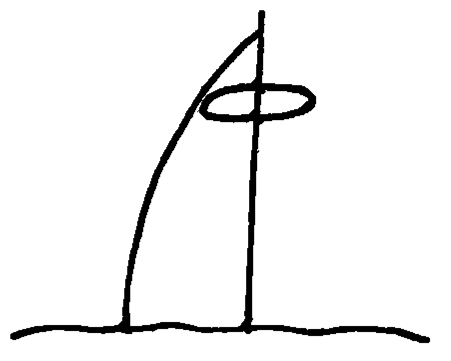
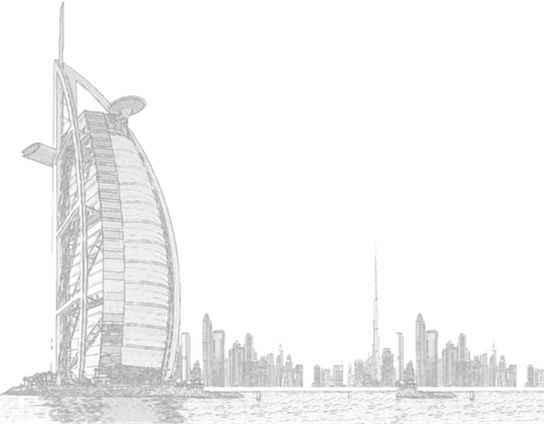
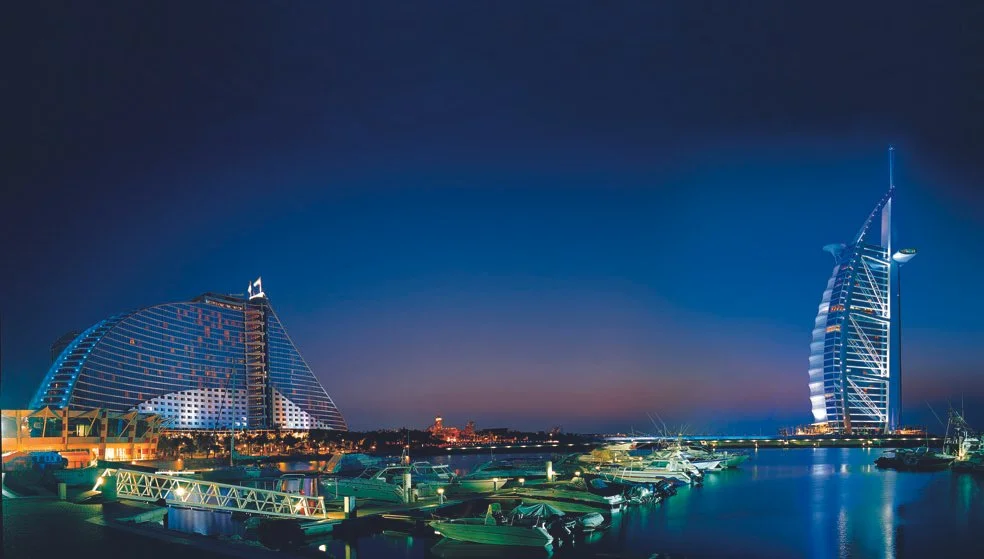
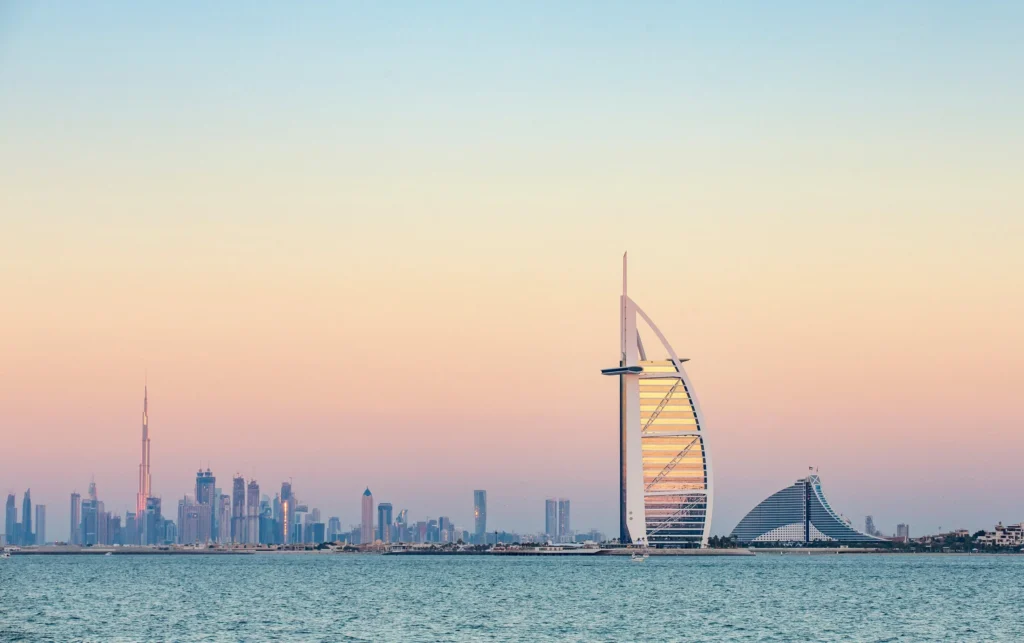
The Burj Al Arab, meaning Tower of the Arabs, was envisioned as a “sail in the wind”, a form deeply symbolic of Dubai’s maritime heritage. Rising 321 meters, it houses 202 duplex suites, with nearly 39% of its structure devoted to architectural features rather than living spaces, thereby enhancing its sculptural identity. Situated 15 km from the shore near Jumeirah, the hotel offers an exclusive coastal view of the evolving skyline, accessible only to guests.
Engineering the Artificial Island
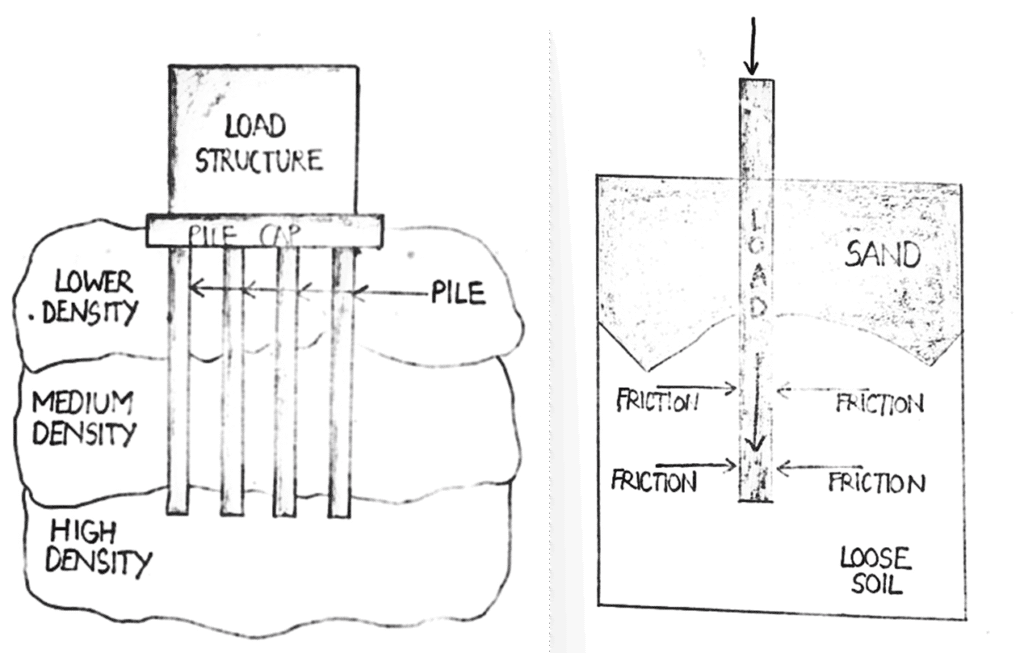
Creating the artificial island posed immense challenges. Engineers initially used rocks, but due to wave impact, they replaced them with hollow concrete blocks designed to absorb water energy and reduce wave pressure. These blocks, along with steep rock slopes, stabilized the 7.5-meter-high island against strong currents. The foundation relied on 250 reinforced concrete piles, each driven 40 meters deep into compacted and calcified sand, using the skin friction principle to ensure stability in the absence of bedrock.
Structural Innovation
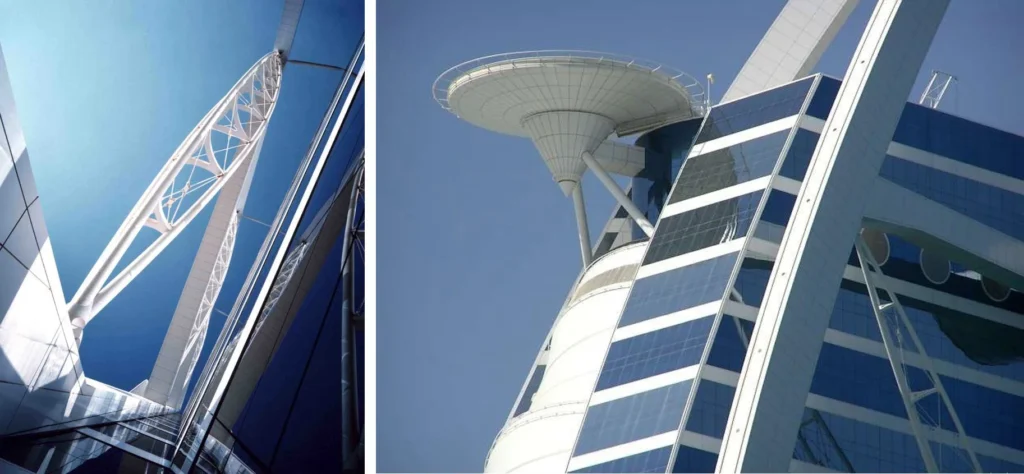
The hotel’s slender concrete walls required support from a steel-framed exoskeleton, which not only strengthened the structure but also enhanced its aesthetics. To counter thermal expansion from Dubai’s temperature swings, engineers developed a self-adjusting screw mechanism allowing steel trusses to expand and contract safely. Tuned mass dampers were also installed to control vibrations caused by strong winds, ensuring both safety and elegance.
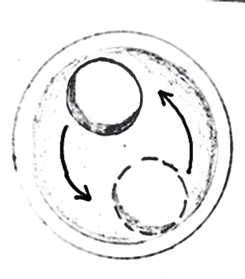
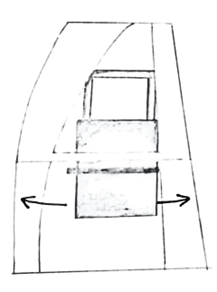
SELF-ADJUSTING SCREWS AND SUSPENDERS TO CATER TO THE WIND LOAD
Interior and Design Features
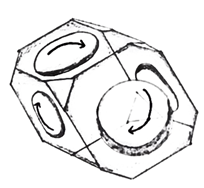
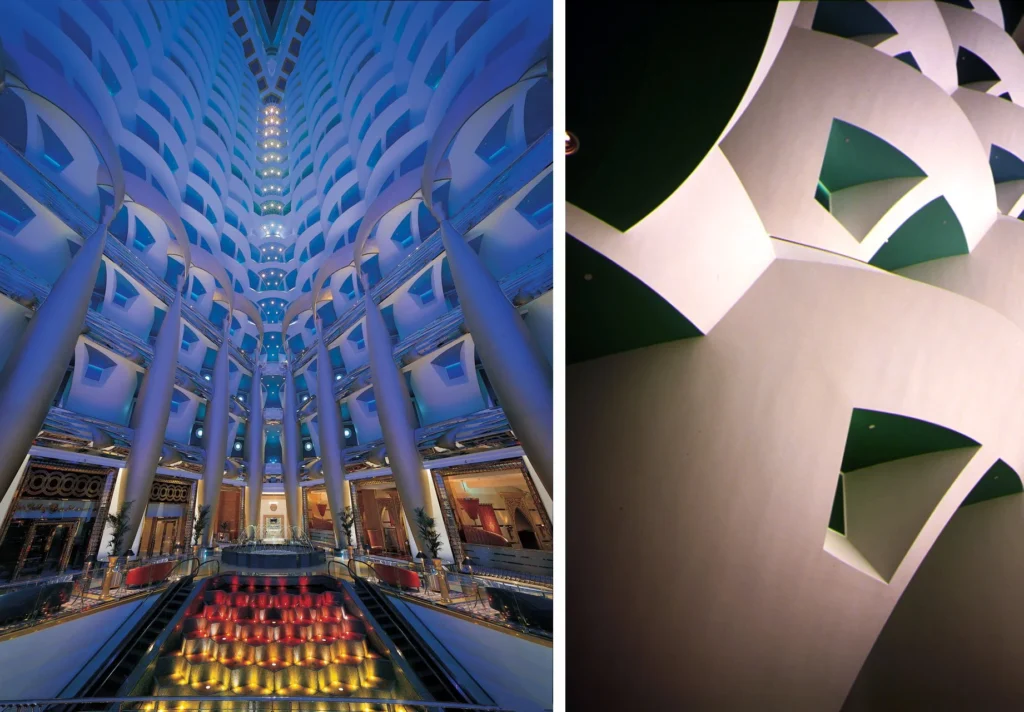
Designed by Khuan Chew, the interiors reflect Arabian grandeur blended with modern opulence. The façade features a Teflon-coated fabric wall—the largest of its kind—reflecting heat and protecting against sand and dust. Unique features like the floating restaurant suspended 200 meters above sea level and a rotating entrance door with buffer zoning showcase unmatched design ingenuity.
A Global Icon
Today, Burj Al Arab is not merely a hotel but a symbol of innovation, identity, and luxury. Its design and engineering continue to inspire architects worldwide—an enduring sail of progress on the horizon of modern architecture.
Project Highlights: Burj Al Arab – Dubai’s Global Icon of Luxury
- Design Vision:
To create a global architectural icon for Dubai — a landmark as instantly recognizable as the Eiffel Tower (Paris) or the Sydney Opera House (Australia). - Architectural Concept:
The hotel’s design resembles a billowing sail, symbolizing Dubai’s maritime heritage and its rise as a modern, dynamic destination. - Key Features:
- Built on a man-made island, connected to the mainland by a private bridge.
- Houses 202 luxurious duplex suites offering panoramic views of the Arabian Gulf.
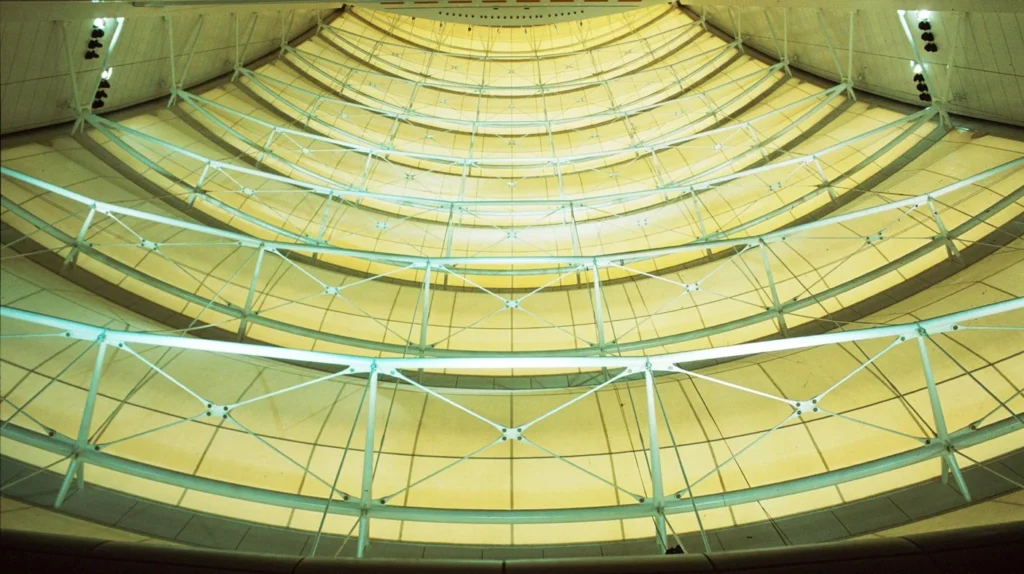
- Features the world’s tallest atrium, creating a dramatic sense of space and grandeur.
- Renowned for its innovative engineering and opulent interiors.
- Significance:
- Established Dubai as a global symbol of luxury and ambition.
- Recognized as the world’s first self-proclaimed seven-star hotel.
- Continues to be a benchmark in hospitality design and architectural excellence.
Legacy:
Wright’s design for the Burj Al Arab transformed Dubai’s image on the global stage, setting a new standard for architectural storytelling and hospitality design. His work remains a testament to the power of form, function, and cultural symbolism in architecture.
References:
- Wikipedia
- National Geography
- WKA.Studio (Image Source)