

A child born in 2026 will not remember the city we talk about today. They will not know our debates, plans, or promises. What they will know is the city they grow up in—the air they breathe, the streets they walk, the spaces where they learn to trust the world around them.
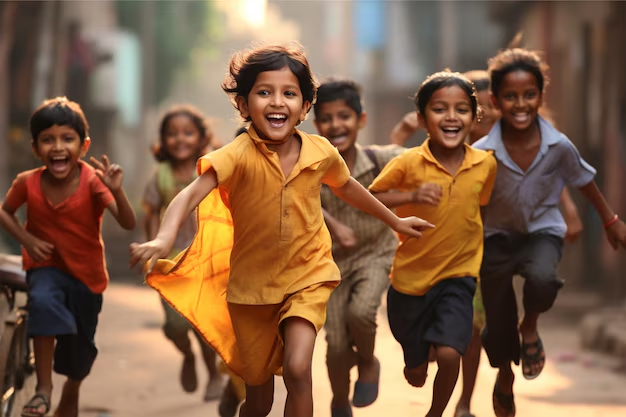
The question, then, is not what kind of city we are building now, but what kind of everyday life we are leaving behind.
The First Breath
For a child, the city begins with air. It enters their lungs before words enter their mind. If the air is heavy, polluted, and uncertain, it shapes health long before schooling or nutrition can correct it.
In many of our mega cities, clean air has become seasonal. Children learn to play indoors not by choice, but by warning. Masks, inhalers, and closed windows quietly replace open balconies and playgrounds.
The city a child inherits should not make breathing a risk.
The Walk to School
A child’s independence begins with walking—first to the gate, then to school, then to the neighbourhood beyond. Yet, in many cities, streets are designed for speed, not safety.
Broken footpaths, missing crossings, speeding traffic, and tangled wires turn simple journeys into daily negotiations. Parents escort children not out of care alone, but out of fear.
If a child cannot walk safely, the city has already failed them.
Space to Play, Space to Grow
Play is not optional. It is how children learn balance, social skills, and resilience. But open spaces in cities are shrinking—converted into parking lots, construction sites, or fenced-off developments.
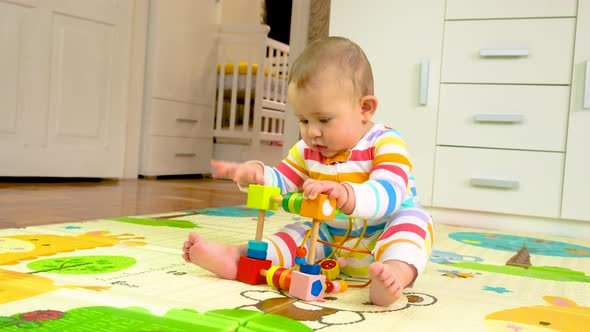
Children adapt, as they always do. They play indoors, on screens, in small corners. What they lose is not only space, but connection—to nature, to neighbours, to their own bodies.
A city that leaves no room to play leaves little room to grow.
Home and Stability
For many families, housing in cities is uncertain. Rent rises faster than income. Informal settlements remain vulnerable. Frequent moves disrupt schooling, friendships, and emotional security.
A child needs more than a roof. They need stability, light, ventilation, and a sense of belonging.
The city a child inherits should offer homes that support life, not just shelter it.
Learning Beyond Classrooms
Education does not happen only in schools. It happens in libraries, parks, streets, museums, and everyday interactions.
When cities lack public spaces, children lose places to observe, question, and imagine. When neighbourhoods are isolated, curiosity shrinks.
A good city becomes an extended classroom—safe, inclusive, and inspiring.
Nature as a Teacher
Children understand nature instinctively. Trees become landmarks. Rain becomes memory. Birds become curiosity.
When cities erase lakes, trees, and open land, children inherit a place where nature is something to travel to, not live with. Climate change then arrives not as a concept, but as floods, heatwaves, and illness.
Nature should not be a chapter in a textbook. It should be visible from a window.
What Will They Remember Us For?
When today’s child grows up and looks back, they will not ask how many flyovers we built or how tall our buildings were.
They will ask:
- Was my city kind to children?
- Did it let me walk, breathe, and play?
- Did it care for my future before announcing its present?
A child born in 2026 will inherit not just our cities, but our choices.
The city we leave behind should not merely function—it should nurture.
Also Read: Delhi Under a Toxic Sky: A Statistical Portrait of an Air Quality Emergency