

The Government of India has approved and operationalised 12,500 Ayushman Arogya Mandirs (Ayush) across the country under the Centrally Sponsored Scheme of the National Ayush Mission (NAM), strengthening access to holistic and preventive healthcare services based on traditional Indian systems of medicine.
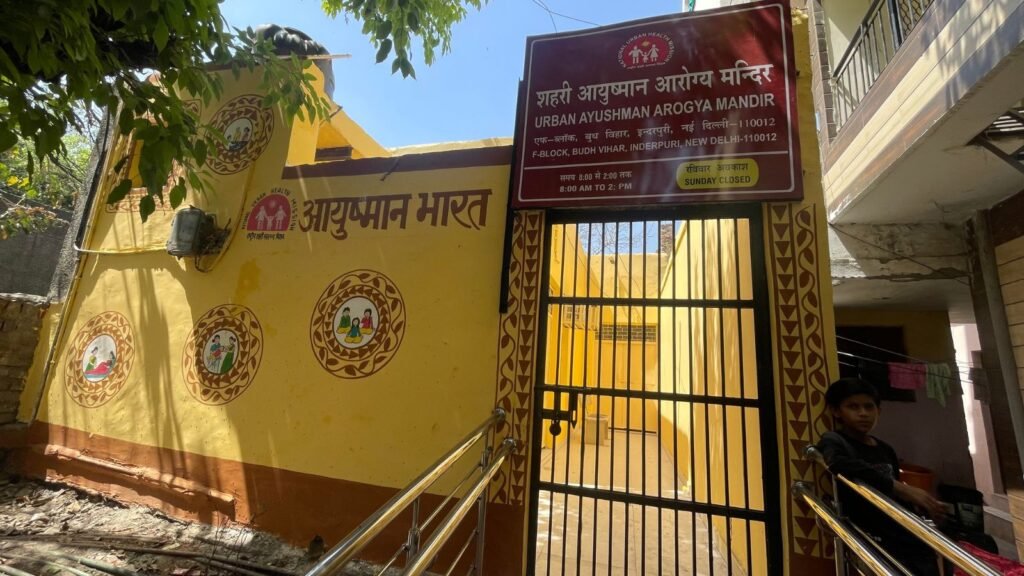
According to information shared by the Ministry of Ayush, these Ayushman Arogya Mandirs are functioning in various States and Union Territories as per proposals submitted through State Action Plans (SAAPs). All approved centres are currently operational and provide community-based wellness services grounded in Ayush principles, including Yoga, naturopathy, and other traditional practices Ayushman Arogya Mandir.
Focus on Preventive and Non-Communicable Disease Care
The Ayushman Arogya Mandirs follow a holistic wellness model, with services spanning preventive, promotive, curative, and rehabilitative healthcare. Special emphasis is placed on addressing non-communicable diseases (NCDs) such as hypertension and diabetes, which continue to pose a major public health challenge across India.
To support standardised service delivery, the Ayush vertical under the Directorate General of Health Services (DGHS), in collaboration with the Central Health Education Bureau (CHEB), conducted a Modular Training Programme for Master Trainers in October 2025. The programme trained 152 participants from 36 States and Union Territories, creating a national resource pool to facilitate cascading training at the State level following the release of Standard Treatment Guidelines (STGs) for metabolic disorders Ayushman Arogya Mandir.
Co-location of Ayush Services in Public Health Facilities
As part of mainstreaming Ayush within the public healthcare system, the Government has adopted a co-location strategy, integrating Ayush services within existing Primary Health Centres (PHCs), Community Health Centres (CHCs), and District Hospitals (DHs). This model enables patients to access multiple systems of medicine through a single window.
Currently, 13,093 Ayush facilities are co-located under the National Health Mission (NHM), including PHCs, CHCs, district hospitals, and other health facilities. While the Ministry of Health & Family Welfare supports the engagement and training of Ayush doctors and paramedics under NHM, the Ministry of Ayush provides infrastructure, equipment, furniture, and medicines under NAM as part of shared responsibilities Ayushman Arogya Mandir.
National Ayush Mission Summit and Future Roadmap
In September 2025, a Departmental Summit on “National Ayush Mission and Capacity Building in States” was held in New Delhi under the chairmanship of Prataprao Jadhav, Minister of State (Independent Charge) for Ayush. The summit brought together senior State and UT officials, representatives from NITI Aayog, Ayush research councils, national institutes, and central ministries.
The deliberations focused on State-specific challenges, capacity building, governance reforms, and financial transparency. Key outcomes included proposals for scalable standard operating procedures (SOPs), structured training frameworks, and the development of State-specific roadmaps to improve infrastructure quality and healthcare delivery under NAM Ayushman Arogya Mandir.
Parliamentary Disclosure
This information was provided by the Minister of State (IC) for Ayush in a written reply in the Rajya Sabha, reaffirming the government’s commitment to expanding people-centric, integrated healthcare through the National Ayush Mission.
Source: PIB
Also Read: ICCR Announces 11th India International Dance & Music Festival in New Delhi